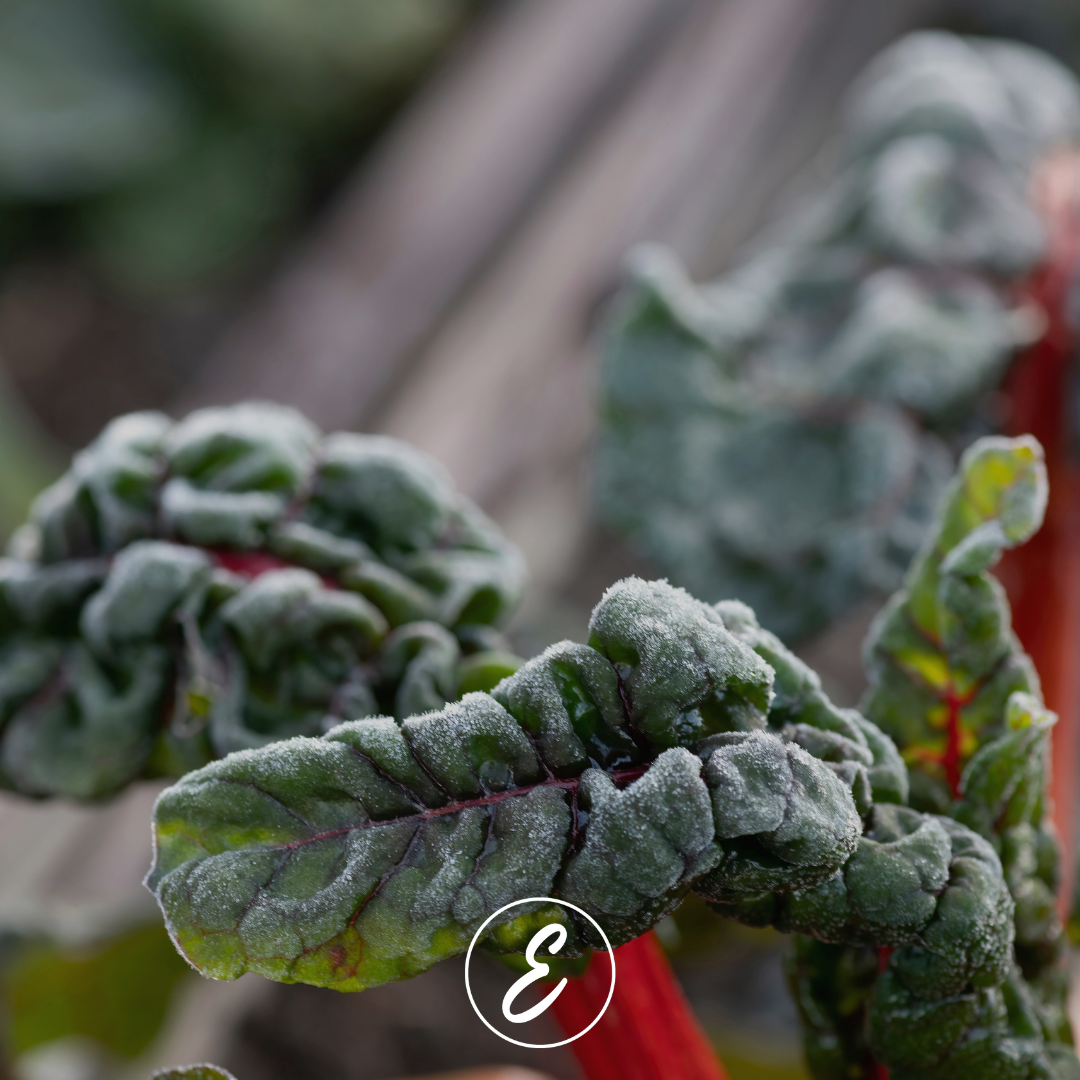
In regions like many parts of Australia where winters are cool and only occasionally frosty without snow, preparing your kitchen garden for spring can start earlier and may not require the extensive frost protections needed in colder climates. Here’s how to make the most of your region’s mild winters to ensure a lush, productive garden come spring.
1. Planning Your Garden Layout
Winter is an excellent time for reflection and planning. Review the performance of last year’s garden and decide which crops to rotate for better soil health and pest management. Map out your garden plots, considering the light patterns as the seasons change.
2. Choosing the Right Crops
Focus on selecting crops that thrive in your specific climate. In cooler Australian climates, consider starting with robust vegetables such as garlic, onions, and peas, which can handle the mild frost. Hardy herbs like rosemary and thyme are also excellent choices as they are perennial and can survive winter outdoors.
3. Starting Seeds Indoors
Using a greenhouse or a sunny indoor spot can kickstart your spring garden, especially for warmth-loving plants like tomatoes, capsicums, and eggplants:
- Seed Selection: Opt for varieties known for their resilience and suitability to your local conditions.
- Timing: Start seeds about 6-8 weeks before the last expected mild frost date.
- Equipment and Environment: Ensure your seed trays have excellent drainage and use a high-quality seed starting mix. Keep the environment warm enough, around 18-21°C, and provide plenty of light, supplementing with grow lights if necessary.
4. Caring for Seedlings
Regularly check your indoor seedlings for water needs, growth progress, and any signs of disease or pests. Thinning out the seedlings can help reduce competition and promote stronger growth.
5. Soil Preparation
Prepare your outdoor soil by removing weeds and adding organic matter like compost or aged manure. If you experienced issues with pests or diseases last season, consider organic treatments to enrich and protect the soil.
6. Hardening Off Seedlings
As the daily temperatures begin to rise, start acclimating your seedlings to outdoor conditions. Gradually increase their exposure to the elements over a week or two to toughen them up for outdoor living.
7. Transplanting
Once the frost risk has passed and your seedlings are robust, it’s time to move them to your garden. Plant them on a cloudy day or in the late afternoon to reduce transplant shock. Water them well and consider using mulch to maintain soil moisture and temperature.
In cool, non-snow climates like those found in parts of Australia, gardeners can take advantage of the milder winter to get a head start on spring preparations. By planning ahead, choosing the right crops, and carefully tending to seedlings, you can ensure your kitchen garden is vibrant and productive as the seasons change. Remember, every little bit of preparation during the cooler months will pave the way for a flourishing garden come spring.