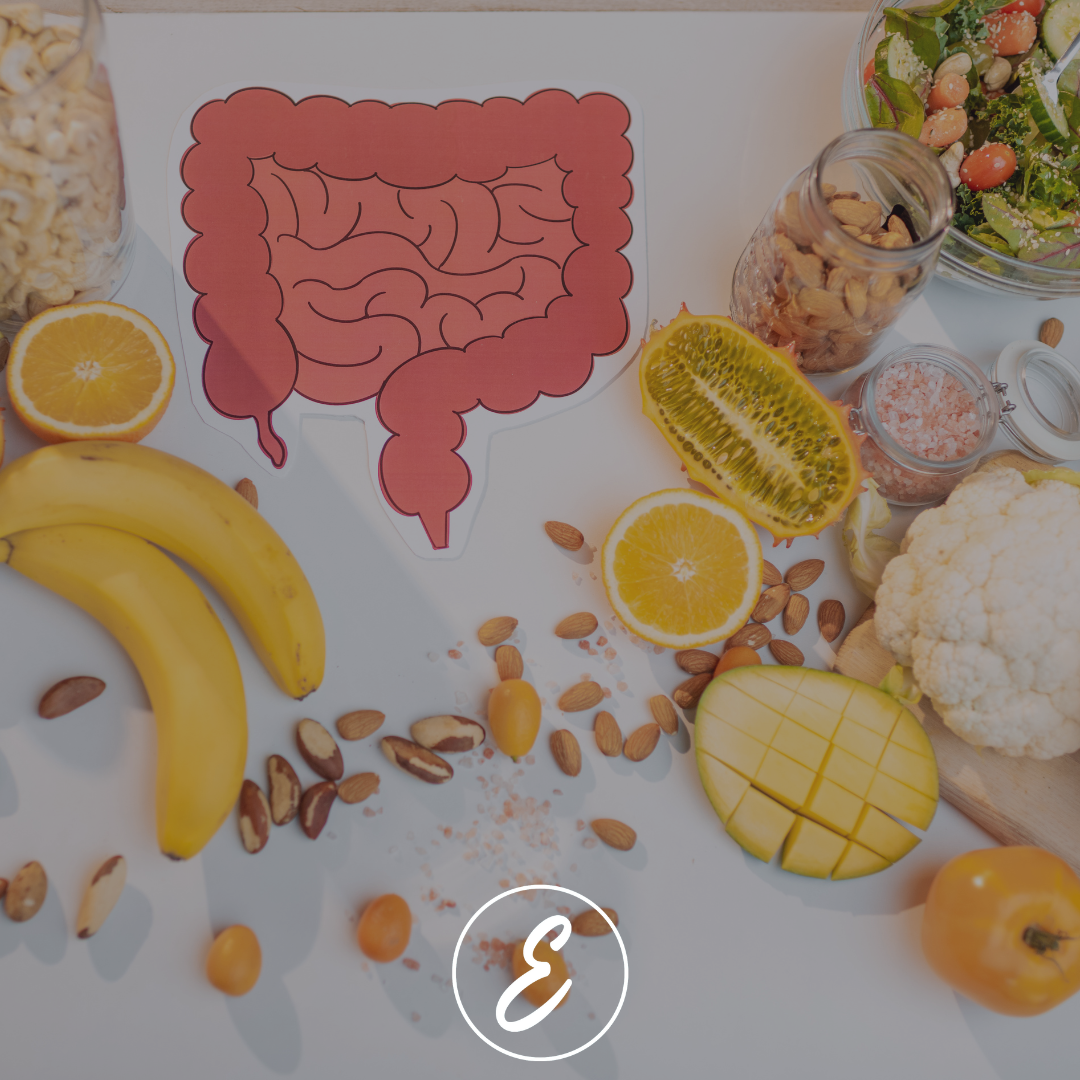
Gut health repair is a crucial process for restoring balance in the digestive system, addressing inflammation, and nurturing the trillions of microorganisms that make up the gut microbiome. An imbalance in this microbiome can lead to digestive discomfort, food intolerances, and even systemic issues such as fatigue, skin problems, and autoimmune disorders. So, what does repairing your gut health actually involve?
1. Eliminating Harmful Foods and Substances
The first step in gut repair typically involves removing foods or substances that irritate the gut lining or disrupt the balance of gut bacteria. Common culprits include:
- Processed foods: These often contain artificial additives, preservatives, and sugars that feed harmful bacteria.
- Gluten and dairy: Many people with gut issues experience sensitivities or intolerances to these foods.
- Alcohol and caffeine: Both can irritate the gut lining when consumed in excess.
Following a low FODMAP diet can also be beneficial, particularly for those suffering from IBS or other gut sensitivities. This diet temporarily reduces the intake of certain fermentable carbs that cause bloating and discomfort.
2. Restoring Healthy Gut Bacteria
Once harmful foods are eliminated, the next phase involves replenishing the beneficial bacteria in the gut. This can be achieved by:
- Eating fermented foods: Incorporating foods such as kimchi, sauerkraut, miso, and kefir helps introduce beneficial probiotics to the gut.
- Taking probiotic supplements: For more targeted gut repair, probiotic supplements containing strains like Lactobacillus and Bifidobacterium can help repopulate the microbiome.
- Prebiotic-rich foods: Foods like garlic, onions, leeks, and bananas feed the healthy bacteria and help them flourish.
3. Healing the Gut Lining
For people with leaky gut or other gut lining issues, healing this protective barrier is vital. Natural remedies to support this process include:
- Bone broth: Rich in collagen, bone broth helps soothe and repair the gut lining.
- L-glutamine: This amino acid is known for its ability to support intestinal wall repair and reduce inflammation.
- Omega-3 fatty acids: Found in fatty fish, flaxseed, and chia seeds, omega-3s have anti-inflammatory properties that help heal the gut.
4. Managing Stress
Chronic stress negatively impacts gut health by disrupting the gut-brain axis and reducing the production of stomach acid. Practices such as mindfulness, meditation, and gentle exercise can help lower stress and support gut repair.
5. Balancing Digestive Enzymes
People with gut health issues often have trouble digesting certain foods due to low levels of digestive enzymes. Supplementing with enzymes such as amylase, lipase, and protease can improve digestion and nutrient absorption, easing the load on the gut.
6. Reintroducing Foods Carefully
After undergoing gut repair, reintroducing certain foods should be done gradually and thoughtfully. Tracking how your body reacts to different foods is essential to avoid re-triggering symptoms. Keeping a food diary can help identify foods that support healing and those that might still cause distress.
Gut health repair is a holistic and individualised journey. By eliminating harmful substances, supporting the growth of healthy bacteria, healing the gut lining, and managing lifestyle factors, it’s possible to restore gut health and overall well-being. It’s always recommended to consult with a healthcare provider or nutritionist to tailor the best plan for your specific needs.
A healthy gut doesn’t just influence digestion but also boosts immunity, mental health, and overall vitality. Taking proactive steps to repair gut health can lead to long-term improvements in many areas of life.