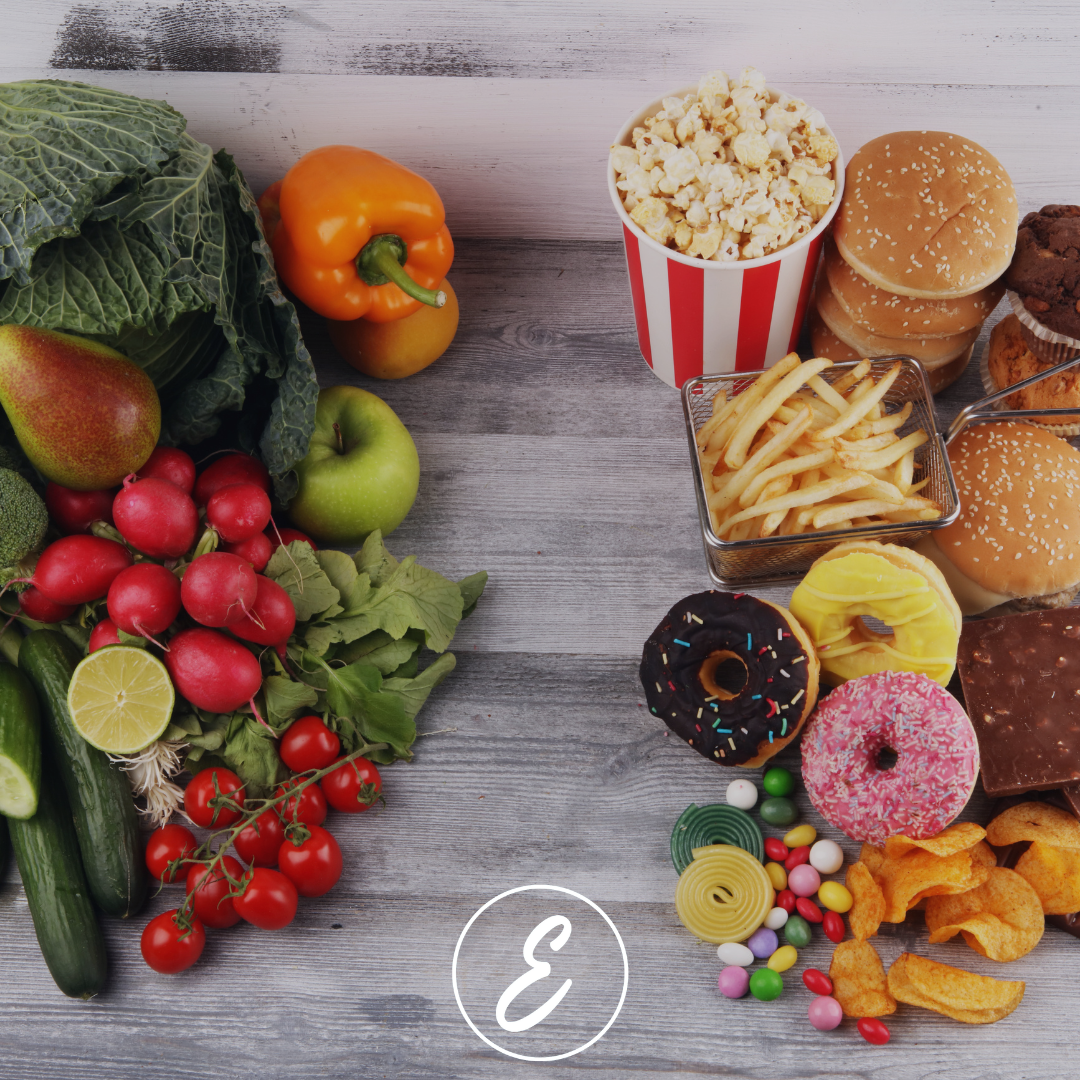
Processed foods have become a significant part of many diets worldwide, especially as they offer convenience and variety. However, increasing evidence points to the negative impacts these foods can have on gut health, food intolerances, and overall wellbeing. Here, we explore the effects of fatty foods, frozen meals, pre-made dishes, and takeaways on our digestive health and why making thoughtful food choices can make all the difference.
1. Gut Health and Processed Foods
The gut microbiome—a diverse community of bacteria, fungi, and other microorganisms within our digestive tract—plays a key role in our overall health. Processed foods, however, are often high in sugars, unhealthy fats, preservatives, and additives, which can disrupt the balance of the gut microbiota. The following effects are especially concerning:
- Reduced Bacterial Diversity: A diet high in processed foods has been shown to decrease the diversity of gut bacteria, which is linked to issues like inflammation, weakened immunity, and obesity.
- Increased Inflammation: Many additives, such as emulsifiers and artificial sweeteners, can inflame the gut lining, which weakens gut integrity and allows toxins to enter the bloodstream. Chronic inflammation in the gut is also associated with autoimmune conditions and metabolic disorders.
2. Food Intolerances and Sensitivities
Regular consumption of processed foods has been linked to an increase in food intolerances and sensitivities, including those to gluten, dairy, and certain food additives. Here’s why:
- Additives and Preservatives: These ingredients can irritate the gut lining, making it more sensitive to foods that would otherwise be well-tolerated. Emulsifiers, commonly used to improve texture, are especially disruptive to gut health and have been linked to triggering inflammatory responses.
- High Sugar and Fat Content: Processed foods often contain refined sugars and saturated fats that feed harmful gut bacteria, which leads to imbalances. This, in turn, can weaken the immune system and make the gut more reactive to certain foods.
3. The Role of Fatty, Frozen, and Pre-Made Meals
- Fatty Foods: Consuming high-fat, processed foods can have severe implications for gut health. Excessive fats, particularly trans fats and refined oils, disrupt the balance of healthy bacteria, contributing to symptoms like bloating, acid reflux, and in the long term, irritable bowel syndrome (IBS). Additionally, research has linked high-fat processed foods with increased rates of inflammation throughout the body.
- Frozen and Pre-Made Meals: These are often high in sodium, preservatives, and artificial flavours that extend shelf life and maintain taste. However, many of these ingredients can irritate the digestive system. Sodium nitrate and sulphites, for example, are common in pre-packaged meats and frozen meals and have been associated with an increased risk of digestive disorders.
4. Impact on Overall Health
A diet high in processed foods doesn’t just affect gut health; it can influence broader aspects of physical and mental health:
- Mental Wellbeing: Studies have indicated that a poor gut microbiome, due to an unhealthy diet, can impact mood and mental health, contributing to conditions like anxiety and depression. This connection, known as the “gut-brain axis,” demonstrates how the gut’s health influences the mind.
- Metabolic Health: Diets rich in processed foods are associated with an increased risk of metabolic disorders, including obesity, type 2 diabetes, and heart disease, as these foods are high in sugars, refined grains, and unhealthy fats.
- Weakened Immune System: Processed foods can compromise the immune system by reducing gut bacteria diversity, increasing inflammation, and depriving the body of essential nutrients needed for proper immune function.
5. Choosing Healthier Options
Replacing processed foods with whole foods—such as fresh vegetables, fruits, lean proteins, and whole grains—can support gut health and reduce the risk of intolerances. Incorporating fermented foods, like yogurt, kefir, and kimchi, helps to introduce beneficial bacteria into the gut, which can help repair and maintain a balanced microbiome. Preparing meals at home with fresh ingredients also ensures control over what goes into your meals, allowing for a more nutrient-rich diet.
Conclusion
While processed foods offer convenience, they can have long-term consequences on gut health, food intolerances, and overall wellbeing. Prioritising a diet rich in whole, natural foods can nurture a healthy gut microbiome, reduce inflammation, and help prevent food sensitivities, setting a foundation for better health and resilience against chronic illnesses.
