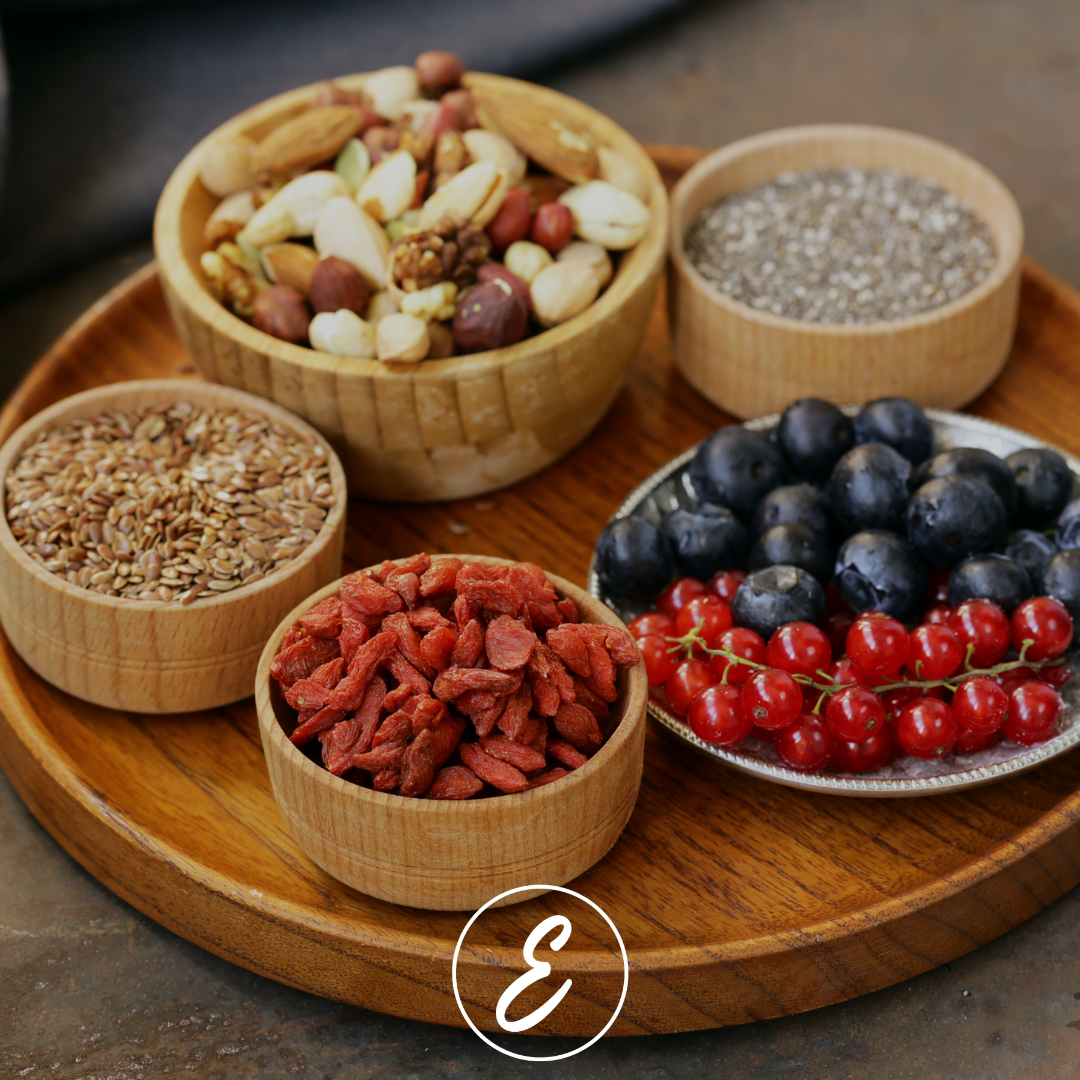
Fibre is one of the most important nutrients for a healthy gut. It supports digestion, feeds beneficial gut bacteria, and promotes regular bowel movements, all of which contribute to better overall health and immunity.
A fibre-rich diet can reduce inflammation, balance blood sugar levels, and improve gut microbiome diversity—key factors for long-term wellness. But not all fibre is the same. There are two main types:
- Soluble fibre – Dissolves in water and helps feed good gut bacteria, stabilise blood sugar, and support digestion.
- Insoluble fibre – Adds bulk to stools, helping to keep the digestive system moving smoothly.
Let’s explore the best sources of fibre to nourish your gut and how to include them in your diet.
1. Legumes: Chickpeas, Lentils & Beans
Legumes are one of the best sources of dietary fibre. They contain both soluble and insoluble fibre, making them excellent for gut health and digestion.
Best Fibre-Rich Legumes
- Chickpeas (7.6g fibre per 100g)
- Lentils (7.9g fibre per 100g)
- Black beans (8.7g fibre per 100g)
- Butter beans (7.4g fibre per 100g)
How to Use Them:
- Add chickpeas or lentils to salads for extra fibre and protein.
- Blend into hummus or bean dips for a gut-friendly snack.
- Use black beans in chilli, soups, or veggie burgers.
2. Whole Grains: Oats, Quinoa & Brown Rice
Whole grains contain prebiotic fibre, which feeds beneficial gut bacteria and keeps digestion regular. Unlike refined grains, whole grains retain their fibre-rich outer layers, making them a superior choice for gut health.
Best Whole Grains for Fibre
- Oats (10g fibre per 100g)
- Quinoa (2.8g fibre per 100g)
- Brown rice (3.5g fibre per 100g)
- Buckwheat (10g fibre per 100g)
How to Use Them:
- Start your day with a warm bowl of oatmeal topped with seeds and berries.
- Use quinoa instead of white rice in salads and grain bowls.
- Make a high-fibre porridge using buckwheat groats.
3. Vegetables: Cruciferous Greens & Root Veggies
Vegetables are packed with insoluble fibre, which adds bulk to stools and supports digestion. Many also contain prebiotics, which help beneficial gut bacteria thrive.
Best Fibre-Rich Vegetables
- Broccoli (3.3g fibre per 100g)
- Brussels sprouts (3.8g fibre per 100g)
- Carrots (2.8g fibre per 100g)
- Sweet potatoes (3g fibre per 100g)
How to Use Them:
- Roast Brussels sprouts and sweet potatoes for a fibre-rich side.
- Add grated carrots to muffins, salads, or porridge.
- Steam broccoli and serve with tahini dressing for an easy gut-friendly dish.
4. Fruits: Berries, Apples & Bananas
Fruits contain soluble fibre and natural prebiotics, which help support gut bacteria. Some, like bananas and apples, also contain pectin, a type of fibre that feeds beneficial gut microbes.
Best Fibre-Rich Fruits
- Raspberries (6.5g fibre per 100g)
- Pears (3.1g fibre per 100g)
- Apples (with skin) (2.4g fibre per 100g)
- Bananas (slightly green) (2.6g fibre per 100g)
How to Use Them:
- Add berries to yoghurt or porridge for a fibre boost.
- Snack on a pear or apple with nut butter.
- Use mashed banana in smoothies or oat-based baking.
5. Nuts & Seeds: Chia, Flax & Almonds
Nuts and seeds provide healthy fats, protein, and fibre, making them excellent for gut health and digestion. They also contain omega-3s, which help reduce gut inflammation.
Best Fibre-Rich Nuts & Seeds
- Chia seeds (34g fibre per 100g)
- Flaxseeds (27g fibre per 100g)
- Almonds (12.5g fibre per 100g)
- Walnuts (6.7g fibre per 100g)
How to Use Them:
- Make a chia pudding soaked in almond milk for a fibre-packed breakfast.
- Sprinkle flaxseeds onto yoghurt, porridge, or smoothies.
- Add crushed walnuts or almonds to salads and baked goods.
6. Fermented Foods: Sauerkraut, Kimchi & Kefir
Fermented foods contain probiotic bacteria that help balance gut flora and improve digestion. Many also contain fibre from vegetables, which acts as a natural prebiotic.
Best Fibre-Rich Fermented Foods
- Sauerkraut (2.9g fibre per 100g)
- Kimchi (1.6g fibre per 100g)
- Kefir (with fruit or flaxseeds added)
- Miso (contains fermented soybeans, rich in fibre & probiotics)
How to Use Them:
- Add sauerkraut or kimchi to salads, wraps, or grain bowls.
- Blend kefir into a smoothie with berries and chia seeds.
- Use miso in soups or stir-fries for a gut-friendly meal.
7. Beans & Peas: The Ultimate Fibre Powerhouses
Beans and peas are rich in both soluble and insoluble fibre, making them one of the best foods for gut health and digestion.
Best Fibre-Rich Beans & Peas
- Black beans (8.7g fibre per 100g)
- Green peas (5.5g fibre per 100g)
- Kidney beans (6.4g fibre per 100g)
- Butter beans (7.4g fibre per 100g)
How to Use Them:
- Blend black beans into dips or soups for a fibre boost.
- Add green peas to curries, risottos, or pasta dishes.
- Make a bean-based salad with lemon and olive oil dressing.
Final Thoughts: How to Get More Fibre in Your Diet
- Eat a variety of whole plant foods daily – Include grains, legumes, nuts, seeds, vegetables, and fruits.
- Keep the skins on your fruits and veggies – The fibre is often in the peel.
- Start the day with fibre-rich breakfasts – Oats, chia pudding, or smoothies with flaxseeds.
- Add legumes to meals – Swap some of your protein sources for lentils, beans, or chickpeas.
- Incorporate fermented foods – They support gut bacteria while adding extra fibre.
Getting enough fibre is key to gut health, but it’s also important to increase your intake gradually and drink plenty of water to prevent bloating.