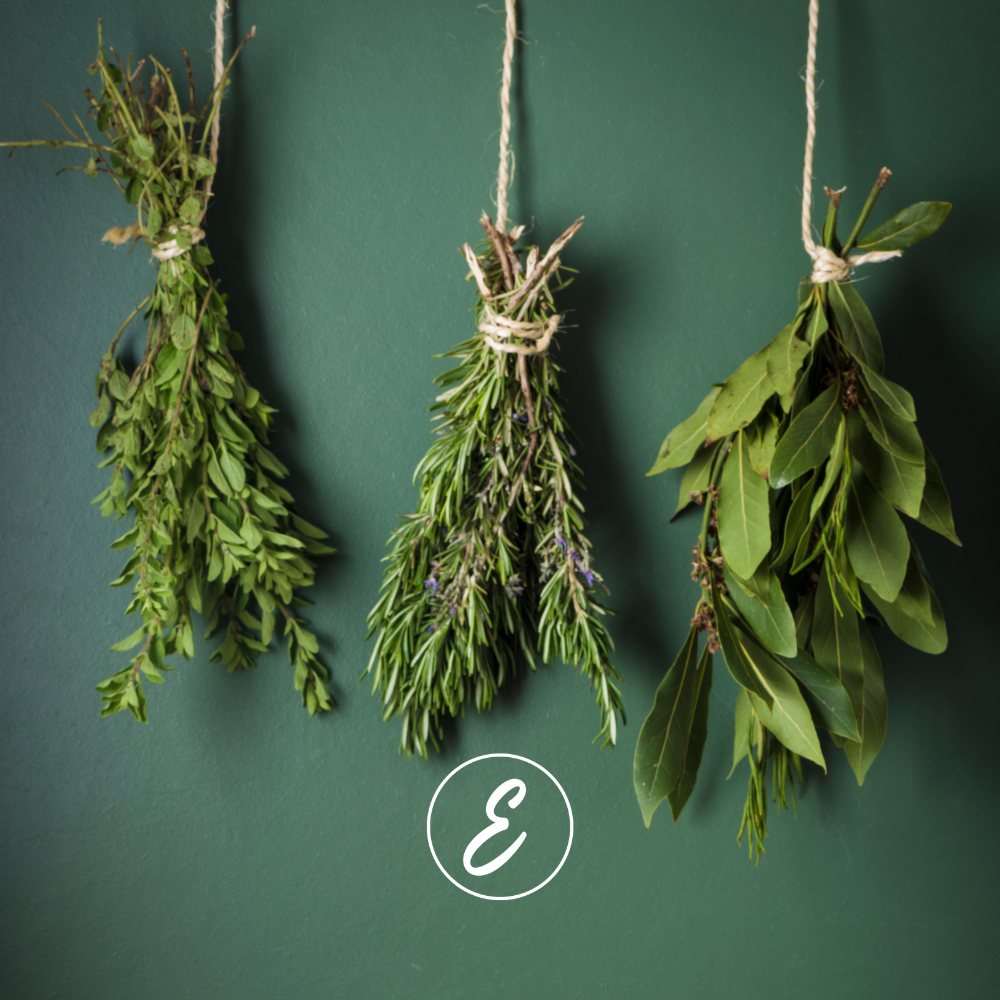
Simple steps to dry woody herbs and enjoy your harvest all year long
As the cooler months settle in and the garden slows down, now’s the time to harvest and preserve what you can — especially your herbs.
Woody varieties like rosemary, thyme, oregano and sage thrive in the shoulder seasons, and air-drying them is one of the simplest ways to carry their flavour and aroma into winter and spring.
It’s low effort, zero energy, and adds real depth to your cooking long after the plants have gone dormant.
🌿 Why Air-Dry Herbs?
- No electricity required — just string and patience
- Flavour stays strong — especially with woody herbs
- Reduces waste — use every last sprig before frost hits
- Takes up little space — perfect for small kitchens or pantries
- Builds your living pantry — one simple step at a time
🌱 Best Herbs for Air Drying
Air-drying works best with woody herbs, such as:
- Rosemary
- Thyme
- Oregano
- Sage
- Bay leaves
- Marjoram
- Lavender (culinary)
Avoid using this method with soft herbs like parsley, coriander (cilantro), chives or basil — they’re better frozen or made into pesto, as they tend to turn brown or lose their oils during air drying.
✂️ How I Do It
Here’s my no-fuss method, done regularly from late autumn through early winter:
- Harvest herbs mid-morning on a dry day (after dew has lifted)
- Shake gently to remove dirt or insects — avoid washing if possible
- Tie small bundles using twine or string — not too thick (airflow matters)
- Hang upside down in a cool, dry, well-ventilated spot
(I use a corner of my pantry — dark, out of the way, and dry) - Leave for 1–3 weeks, until herbs are completely crisp to the touch
- Strip leaves from stems and store in clean, labelled jars or tins
🥄 How to Use Dried Herbs
- Crumble over protein – like lamb, chicken, or baked tofu
- Add to sauces, soups or stews for a richer base
- Sprinkle on eggs or avo toast with a pinch of sea salt
- Blend into herb salts or seasoning mixes for pantry gifts
- Toss into roasted veg with olive oil and garlic
Dried herbs are more concentrated than fresh, so use about 1/3 of the amount you would normally use when cooking.
🧺 Bonus Tip
If you’re drying a few types at once, label each bundle with masking tape before they go up. Rosemary and thyme can look very similar once dried!
And remember: even a few bundles strung up in your pantry are worth it — small actions like this build your from-scratch kitchen and support gut-friendly, flavourful meals year-round.
📥 Want to preserve more of your garden this winter?
Download the free Living Pantry Checklist to see what else you can dry, freeze, or bottle before the season shifts.