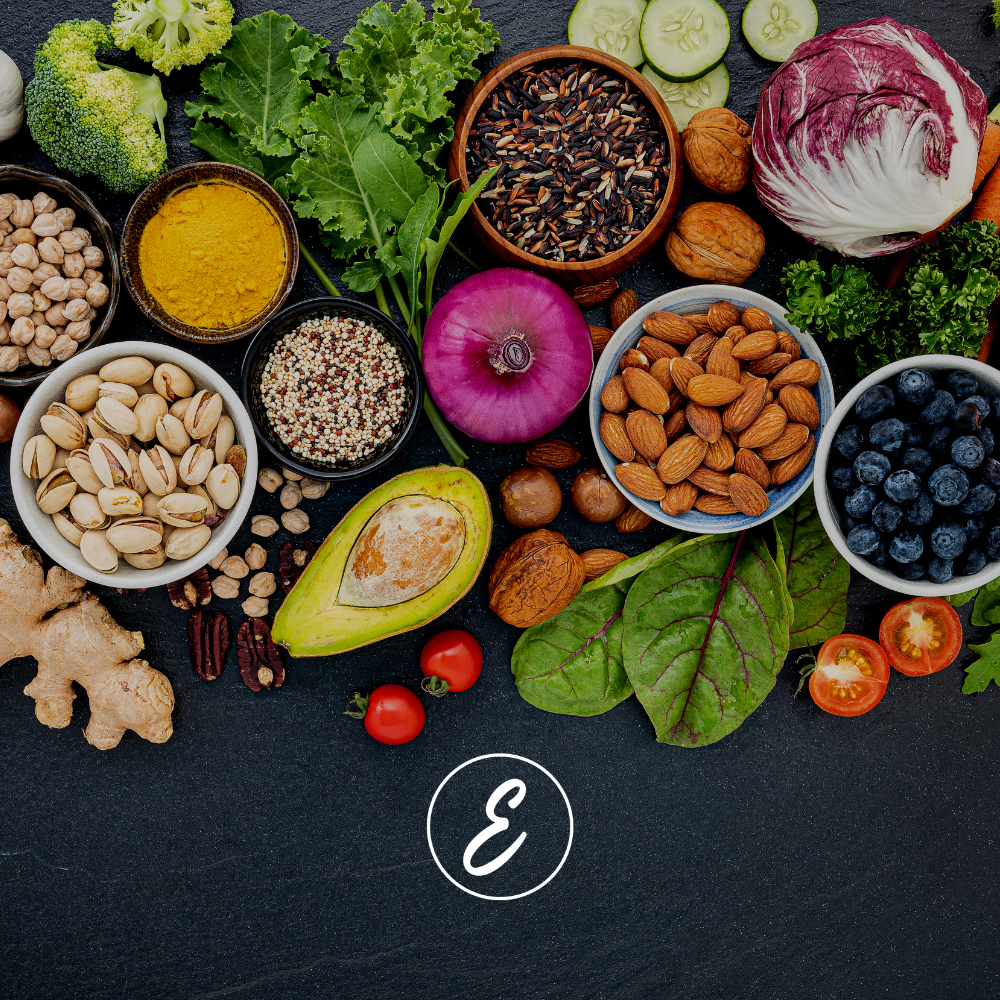
Simple foods to calm inflammation, rebuild your gut, and restore your energy
If you’ve already hit the wall — food intolerances, fatigue, brain fog, skin flares, or an autoimmune diagnosis — it can feel overwhelming to know where to start.
The good news? You don’t need fancy supplements, extreme diets, or endless restrictions.
You just need to return to what your body knows: gentle, whole, healing food.
This guide offers a foundation — a calming, inflammation-lowering, gut-repairing approach to food. Perfect for those with coeliac-like symptoms, IBS, or autoimmune flares who need a starting point that won’t send them backwards.
🥣 The Goal: Calm, Repair, Rebuild
In the early stages of recovery, food should be:
- Easy to digest
- Anti-inflammatory
- Nutrient-dense
- Supportive of gut lining and microbiome repair
🌿 Top Healing Foods to Favour
1. Bone Broth or Vegetable Broth
Rich in collagen, amino acids and minerals. Soothes and seals the gut lining.
Drink daily, or use as a base for soups, stews and risottos.
2. Stewed or Roasted Vegetables
Cooked carrots, pumpkin, zucchini, beetroot, parsnip, and sweet potato are gentle and nourishing.
→ Try a root veg mash or a healing vegetable soup.
3. Gentle Protein Sources
- Eggs (if tolerated)
- White fish
- Chicken (ideally slow-cooked or poached)
- Silken tofu or tempeh
- Lentils or split mung beans (well-soaked and cooked thoroughly)
Avoid overloading the gut with heavy meats initially — slow-cooked and well-seasoned is best.
4. Soothing Grains (Optional)
- Well-cooked quinoa
- Millet or buckwheat (if tolerated)
Avoid gluten during healing phases unless your gut has stabilised.
5. Cooked Fruits
Stewed apples or pears with cinnamon are rich in pectin (a prebiotic fibre).
Add chia or flaxseed for gentle bulk and hormone balance.
6. Fermented Foods (Introduce Slowly)
- Sauerkraut (1 tsp at a time)
- Coconut yoghurt
- Kefir or fermented carrot sticks
Start with small amounts once inflammation has calmed.
🌱 Supportive Additions
- Turmeric + black pepper (anti-inflammatory)
- Ginger (digestive support)
- Chamomile or peppermint tea (calming)
- Cinnamon (blood sugar balance)
- Olive oil and avocado (healthy fats for cell repair)
❌ Foods to Gently Avoid During Healing
For at least 3–4 weeks (or until symptoms ease), reduce or avoid:
- Gluten (especially refined wheat products)
- Dairy (especially milk and soft cheeses)
- Processed foods and seed oils
- Alcohol, caffeine (reduce gradually)
- Raw salads, nuts, and crunchy veg (can irritate early healing)
- Excess sugar, artificial sweeteners, and carbonated drinks
This isn’t forever. It’s a reset, not a life sentence.
🥗 Sample Day on a Healing Diet
Breakfast: Stewed apple with cinnamon, flaxseed & coconut yoghurt
Lunch: Slow-cooked chicken soup with rice and soft vegetables
Afternoon: Peppermint tea & a mashed sweet potato bowl with olive oil
Dinner: Baked white fish with steamed zucchini and soft carrot purée
Evening: Chamomile tea and a spoon of coconut yoghurt with chia
💡 Bonus Tips
- Chew your food slowly — digestion starts in the mouth
- Eat sitting down, without screens
- Keep a symptom diary to track what supports or irritates
- Focus on adding in nourishment, not just restriction
🧡 You Can Feel Better
It may take time. You may feel frustrated. But your body is listening — and it’s trying to heal.
If you need a plan, a calming reset, or a safe place to start, try:
📘 The Gentle Gut Reset Plan
📥 Wellness Self Guide
👩⚕️ Or book a consultation — I’ll help you build your elimination and reintroduction steps with food that supports healing, not fear
🔗 This article is part of a 4-part series on gut health, autoimmune issues, and the power of food to heal.
- Part 1: The Long-Term Impact of Not Eating Well — And Why It’s Catching Up With Us
- Part 2: When to Worry — Subtle Signs Your Body Is Struggling
- Part 3: What You Can Do Before It’s Too Late
- Part 4: A Healing Diet for Your Gut and Immune System (this article)
Each post builds on the last to help you better understand what’s going on inside your body — and how to take meaningful, gentle steps toward healing. Whether you’re just starting to notice symptoms or already navigating autoimmune challenges, this series is designed to guide you through.