Gentle foods that support healing when everything feels like too much
There are days when your gut simply says, “No thanks.”
Whether it’s bloating, discomfort, nausea, or a full-blown flare-up, it’s easy to feel overwhelmed—and underfed.
But even when your digestion is sensitive, you still need nourishment.
The key is choosing foods that soothe, calm, and reduce digestive workload while offering gentle support for healing.
This guide isn’t about long-term restriction—it’s about giving your gut a break, so it can reset and rebuild.
🌿 First, What Does an Inflamed Gut Feel Like?
- Constant bloating or pain after eating
- Loose stools, constipation, or both
- A general feeling of heaviness, nausea or “offness”
- Fatigue, brain fog, skin flare-ups, and mood dips
You may be reacting to stress, food intolerances, medication, illness, or a combination. Whatever the cause, what you eat during this phase matters.
🥣 Eat This: Soothing, Gut-Calming Foods
These foods are easier to digest, gentle on inflamed tissue, and can support your gut lining and microbiome while things settle.
1. Cooked, Low-Fibre Veggies
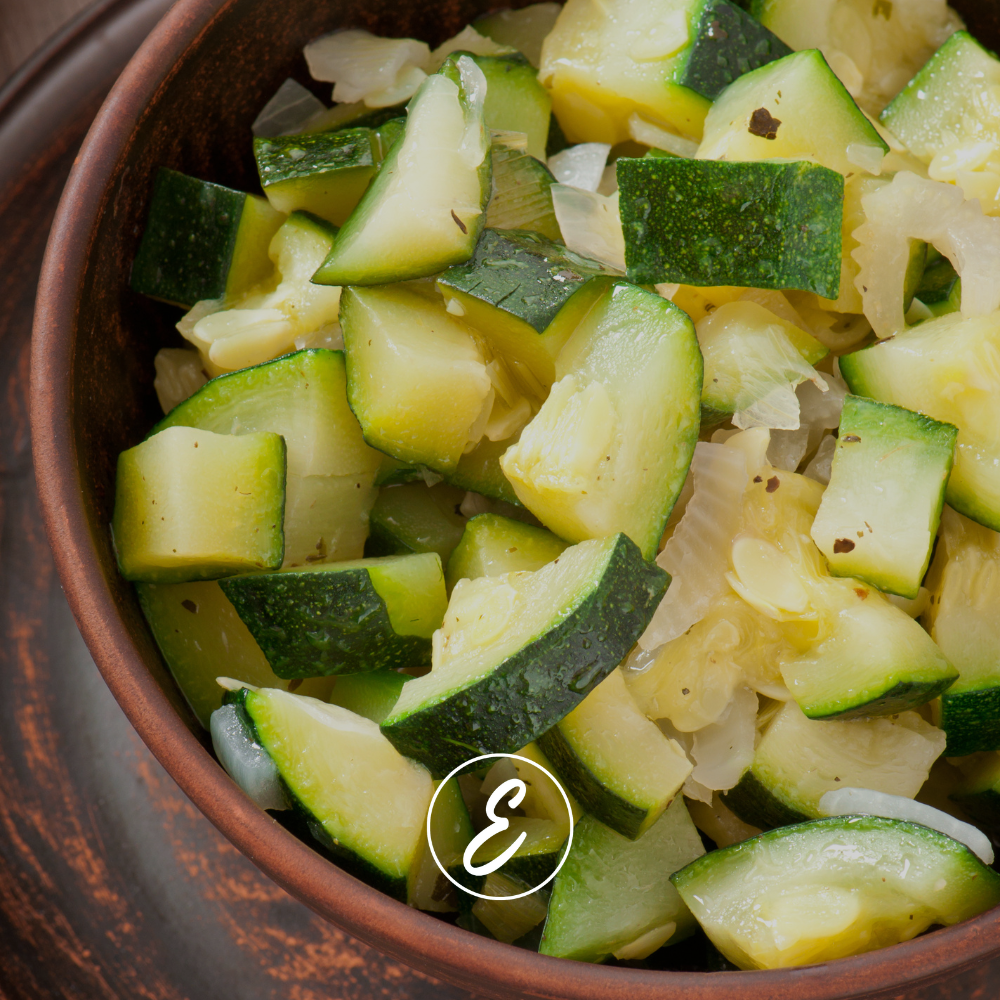
Steamed zucchini, pumpkin, peeled carrots, or sweet potato.
Avoid raw or fibrous veg until your gut settles.
2. Well-Cooked Grains
Plain white rice, soft oats, or overcooked brown rice.
Avoid heavy grains or anything seedy or chewy.
3. Bone Broth or Veggie Broth
Rich in amino acids that support the gut lining.
Sip warm broth with ginger or turmeric to help soothe inflammation.
4. Stewed Fruits (without skins)
Apples, pears or berries, lightly cooked until soft.
Optional: add cinnamon for flavour and gentle blood sugar support.
5. Boiled or Poached Chicken
Lean protein, gently prepared, is easier to digest than fried or spicy meats.
You can also try soft scrambled eggs.
6. Plain Greek Yoghurt (if tolerated)
Offers natural probiotics that support gut flora—choose unsweetened and add a little stewed fruit if needed.
7. Herbal Teas
Chamomile, fennel, peppermint, or ginger tea can relieve bloating and settle the stomach. Sip throughout the day.
❌ Avoid (for now): What Might Irritate a Sensitive Gut
- Raw salads and cruciferous veg (broccoli, cabbage, cauliflower)
- Legumes, beans, and fibrous grains
- Spicy foods, chilli, and curry pastes
- High-fat or fried foods
- Gluten, dairy (if intolerant), and alcohol
- Excess caffeine or carbonated drinks
✨ Bonus: Lifestyle Tips to Calm a Flare-Up
- Eat slowly and chew thoroughly
- Keep meals small and regular (don’t overload your gut)
- Apply a warm compress or wheat bag to the belly
- Try breathing exercises before meals to shift out of stress mode
- Prioritise hydration with warm fluids throughout the day
💭 Final Thought
When your gut is inflamed or sensitive, you don’t need to do everything.
You just need to do the next gentle thing.
Let food be part of your recovery—slowly, simply, and supportively.