Simple Food Strategies for Rising Costs & Uncertain Supply
You don’t need to look too far at the moment to see things are shifting.
Fuel prices.
Transport costs.
Food supply chains.
And in a country like Australia — where so much relies on movement across long distances — those changes can flow through quickly to what we see on the shelves.
But this isn’t about panic buying or filling your garage with tins.
It’s about being a little more prepared… in a calm, practical way.
Because when you have a well-thought-out pantry and a few simple systems in place, you’re not reacting — you’re already set up.
What “Future-Proofing” Actually Means
This isn’t about extremes.
It’s about:
- Having reliable staples on hand
- Reducing reliance on constant supermarket trips
- Supporting your household with real, nourishing food
- Using what you can grow or source locally
👉 It’s a blend of pantry + fresh + homegrown
What I’m Stocking Up On (That I Can’t Easily Grow)
These are the foods I’m focusing on — not in excess, just enough to create flexibility.
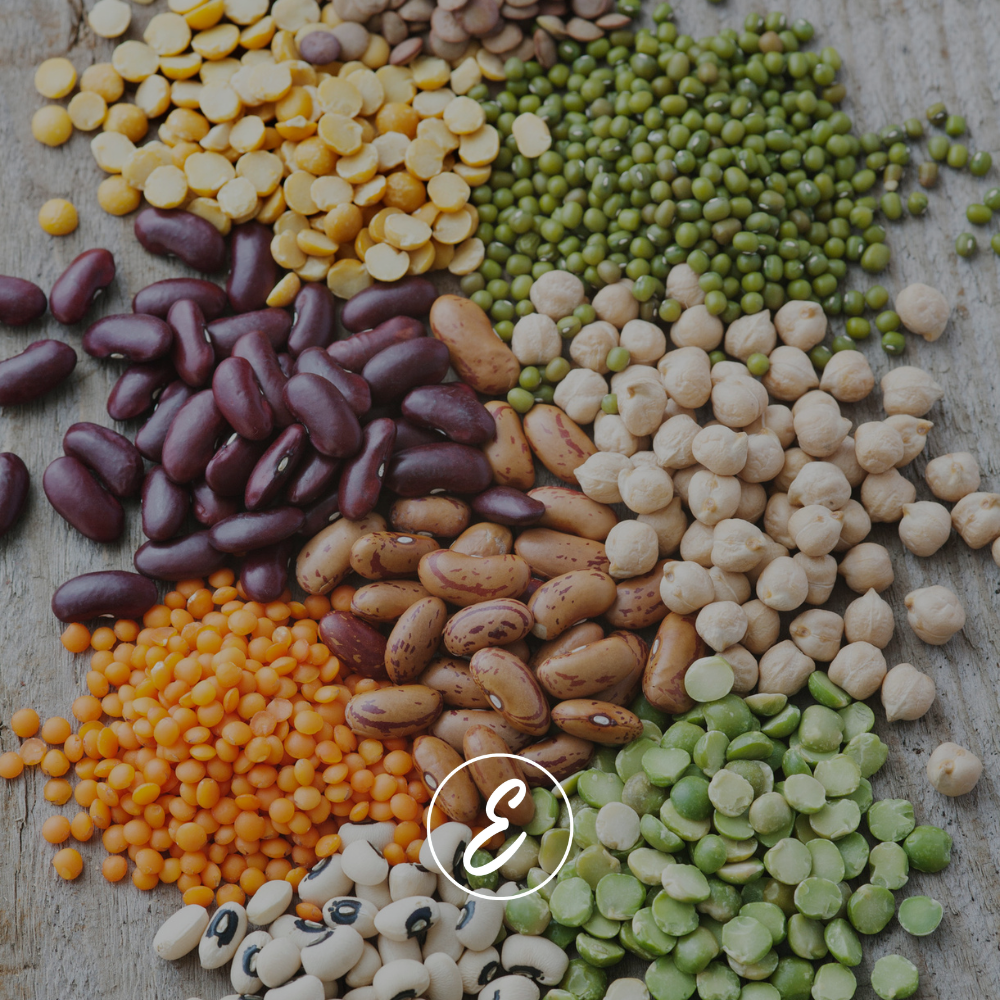
🫘 Dried Legumes
- Chickpeas
- Lentils
- White beans
👉 Long shelf life, high protein, incredibly versatile
🌾 Grains & Flours
- Rice
- Plain flour
- Oats
👉 The base of so many meals
🌿 Pantry Additions
- Nori (for simple sushi bowls)
- Oils
- Basic spices
👉 Small additions that make simple food feel complete
Why Dried Beats Packaged
Where possible, I’m choosing:
- Dried over canned
- Bulk over individually packaged
Because:
- It stores longer
- Reduces packaging waste
- Gives more flexibility in how you use it
It also tends to be more cost-effective over time.
What I’m Growing (Fast, Reliable Greens)
You don’t need a full garden to make a difference.
I’m focusing on:
- Bok choy
- Asian greens
- Spinach
- Lettuce
👉 Quick-growing, easy to replace, and perfect for everyday meals
These are the kinds of crops that can go from seed to plate quickly — which matters when you’re trying to stay consistent.
Extending the Life of Fresh Food
One of the biggest shifts for me has been:
👉 Not just growing food — but keeping it going longer
This is where the greenhouse comes in.
What I’m focusing on:
- Protecting crops from frost
- Extending seasonal growing windows
- Keeping a steady supply rather than bulk harvests
Because having a little, consistently… is far more useful than having too much all at once.
How This Translates Into Real Meals
When you combine:
- Pantry staples
- Fresh greens
- Simple proteins
Meals become very easy to pull together.
Think:
- Lentil and vegetable bowls
- Chickpea salads
- Rice with greens and protein
- Simple wraps or stir-fries
Nothing complicated — just reliable, nourishing food.
A Quick Note on Cost of Living
We’re all feeling it in different ways.
And while we can’t control everything, we can:
- Plan a little ahead
- Make small, consistent changes
- Reduce waste
- Stretch what we have further
👉 That’s where the real impact is
Final Thoughts
Future-proofing your pantry isn’t about fear — it’s about confidence.
Knowing that:
- You’ve got the basics covered
- You can make meals without relying on constant shopping
- You’re not caught off guard by price spikes or shortages
And most importantly…
👉 You’re still eating well, no matter what’s happening around you