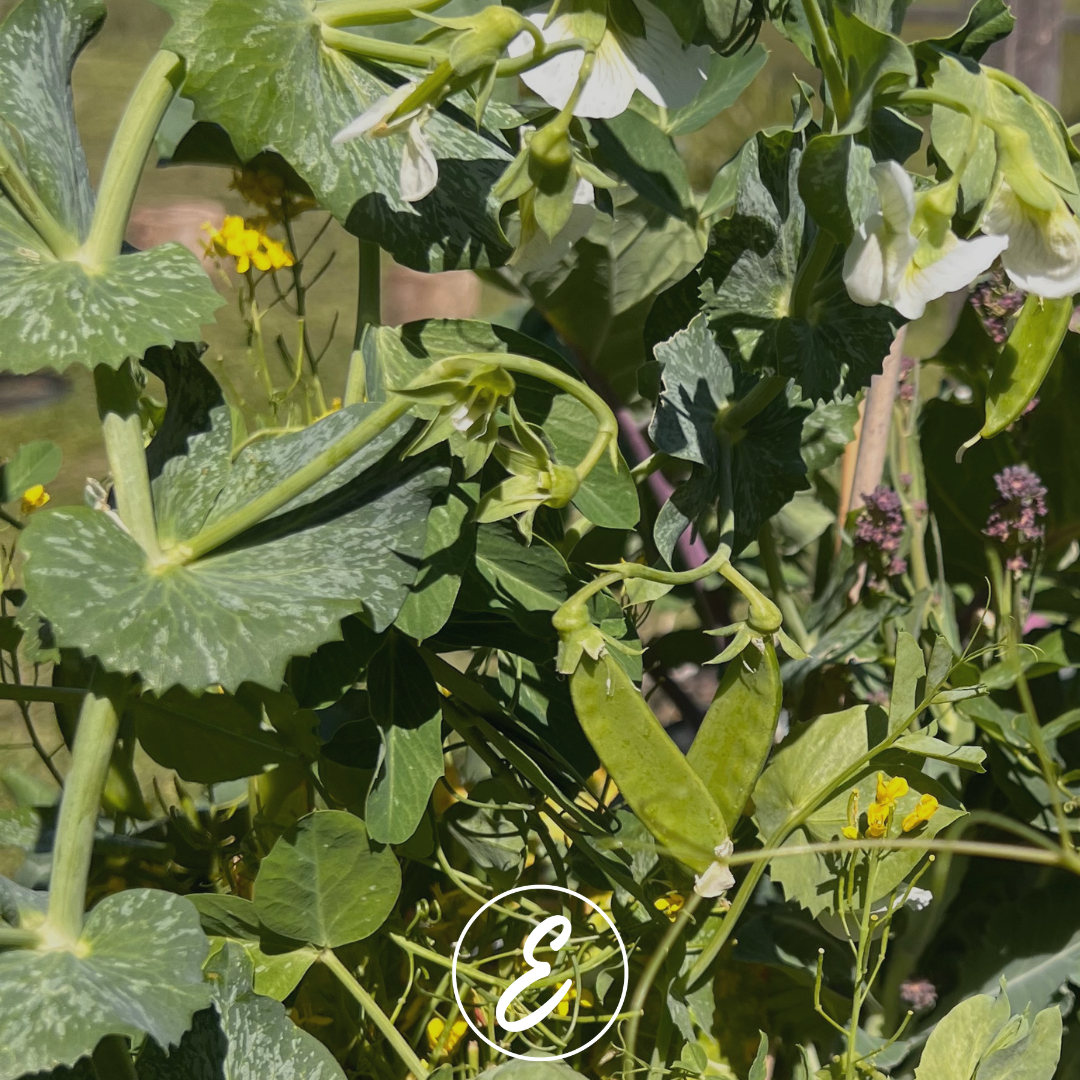
The Southern Highlands of NSW, with its frosty winters and hot summers, offers both opportunities and challenges for growing peas and beans. These cool-season and warm-season crops, respectively, are well-suited to the region, provided they are planted at the right time and given the appropriate care. Here’s a guide to choosing the best varieties, along with tips on when to plant and harvest for a successful crop.
Peas: Cool-Season Crops
Peas are a fantastic cool-weather crop, thriving in the cooler temperatures of spring and autumn. In the Southern Highlands, the ideal time to plant peas is early spring, just after the last frost, or in late summer for an autumn harvest.
Best Varieties for the Southern Highlands:
- Sugar Snap Peas: These are great for eating fresh, as both the pods and peas are edible.
- Snow Peas: Another tender, edible-pod variety, these are perfect for stir-fries and salads.
- Shelling Peas (Garden Peas): These peas are grown for the sweet seeds inside the pods and are best when shelled.
Planting Time:
- Spring Crop: Start planting peas around late August to late September once the threat of frost has passed. If you have a greenhouse, you can start these early and keep them safe away from frost threats.
- Autumn Crop: Peas can also be sown in late February or early March to take advantage of the cooler autumn weather.
Growing Tips:
- Soil Preparation: Peas prefer well-draining, loamy soil enriched with organic matter. They are light feeders and can fix nitrogen into the soil, improving soil health.
- Support: As climbing plants, peas benefit from trellising or staking to keep the vines upright and off the ground.
- Watering: Peas need consistent watering, especially during flowering and pod formation. Mulch to retain moisture and suppress weeds.
Harvest Time:
- Peas are typically ready for harvest 60-70 days after planting. Regular picking encourages more pod production.
- Snow peas and snap peas should be harvested when the pods are young and tender.
- Shelling peas should be harvested once the peas inside have swelled but before the pods begin to yellow.
Beans: Warm-Season Crops
Beans are warm-weather crops that love the heat of the Southern Highlands’ summer. There are two main types of beans: bush beans, which are compact and don’t require support, and climbing beans, which need a trellis or support system.
Best Varieties for the Southern Highlands:
- Bush Beans (Dwarf Beans): Varieties like ‘Purple King’ or ‘Top Crop’ are ideal for smaller gardens and grow quickly.
- Climbing Beans (Pole Beans): Varieties like ‘Scarlet Runner’ and ‘Blue Lake’ are vigorous growers and produce heavy crops over a longer period.
Planting Time:
- Beans should be sown after the last frost, which typically occurs in mid-October in the Southern Highlands.
- Plant beans between October and December for a summer harvest, ensuring they get plenty of sun and warmth to thrive.
Growing Tips:
- Soil Preparation: Beans grow best in loose, well-drained soil. Like peas, they can also fix nitrogen, benefiting future crops in the same location.
- Support: Climbing beans need sturdy trellises or poles to grow on. Bush beans, on the other hand, require little to no support.
- Watering: Beans need regular watering, especially during flowering and pod development. However, avoid waterlogging the soil, as this can lead to root rot.
Harvest Time:
- Beans are typically ready for harvest 60-70 days after planting.
- Bush beans produce all their pods at once, making them ideal for freezing or canning.
- Climbing beans produce continuously throughout the summer, allowing for a more extended harvest period.
- Pick beans when they are young and tender for the best flavour. Regular harvesting encourages more pod production.
Frost Protection for Peas and Beans
Since both crops are sensitive to frost, take care with planting times and frost protection:
- Peas (Cool-Season): For early spring planting, protect seedlings from late frost with row covers or cloches. Peas are hardy, but young plants may be susceptible to frost damage.
- Beans (Warm-Season): Beans cannot tolerate frost. Avoid sowing them too early in the season. Wait until all danger of frost has passed in mid to late October before planting.
Companion Planting and Crop Rotation
Both peas and beans are excellent companions for many other garden vegetables. As nitrogen-fixers, they enrich the soil and benefit crops planted afterward. Consider rotating them with heavy-feeding crops like tomatoes or corn in subsequent seasons to make the most of your garden’s soil fertility.
- Companion Plants: Carrots, radishes, cucumbers, and lettuces grow well with peas and beans.
- Avoid planting with: Alliums like garlic and onions, as they can inhibit the growth of legumes.
Final Thoughts: Timing and Care for a Thriving Pea and Bean Crop
In the frost-prone Southern Highlands, timing your planting is key. For peas, take advantage of the cooler spring and autumn months. For beans, wait until the warmer part of the year, but ensure they’re protected from the heat and kept well-watered. By selecting the right varieties and giving them the care they need, you’ll be rewarded with a bountiful harvest of fresh, homegrown legumes to enjoy in your kitchen.