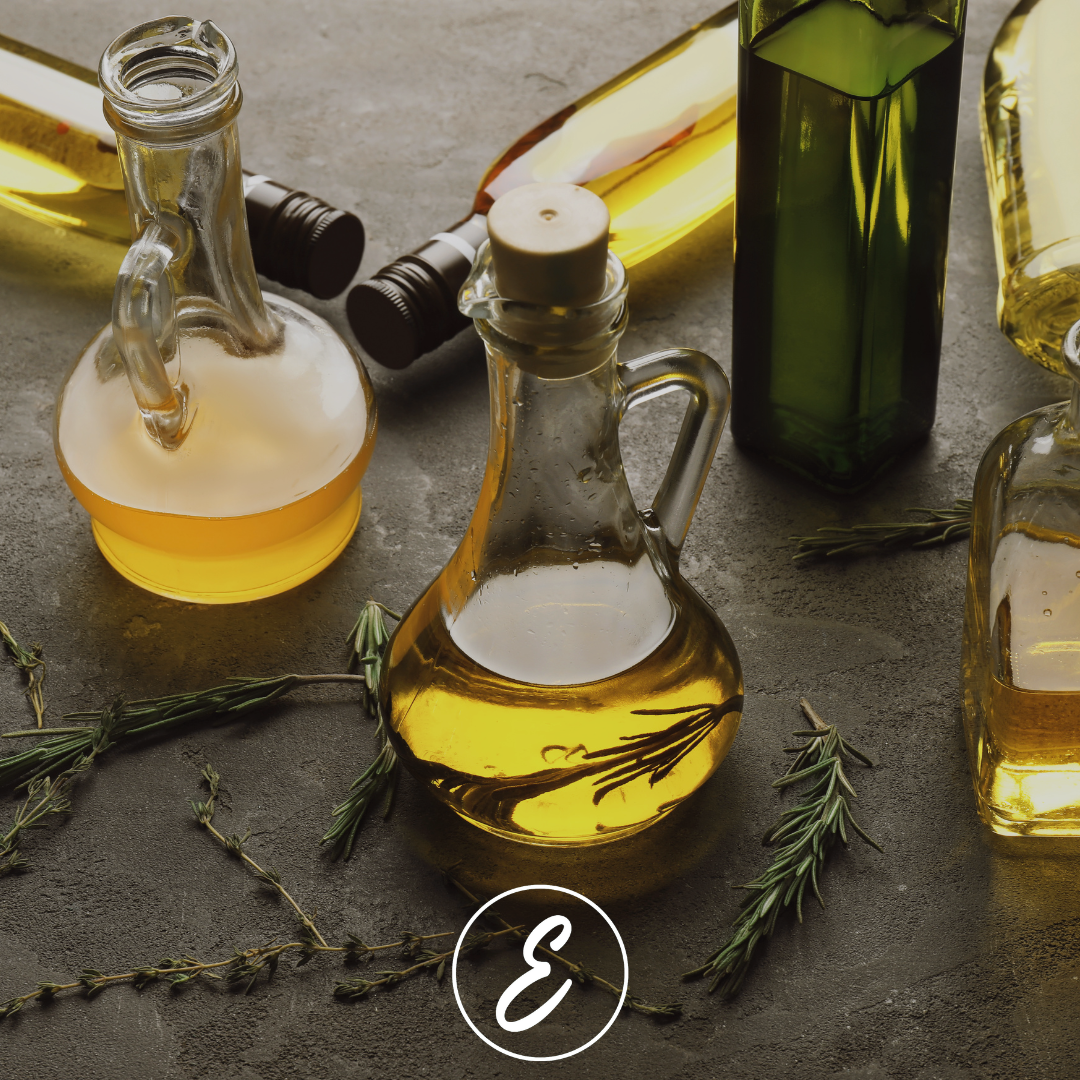
Cooking oils can greatly impact the flavour and nutritional profile of our food. With so many options on the market, it can be difficult to know which oil best fits your cooking method and dietary needs. Here’s a guide to some of the most popular cooking oils, including their nutrient profiles and best uses in the kitchen.
1. Olive Oil
- Nutritional Profile: Rich in monounsaturated fats, which are beneficial for heart health. Contains antioxidants and anti-inflammatory properties.
- Smoke Point: Low to medium (~190–210°C), best for low-heat cooking, drizzling, or salad dressings.
- Uses: Excellent for sautéing, salad dressings, and dips. Due to its low smoke point, extra virgin olive oil is best used raw or for light cooking.
2. Coconut Oil
- Nutritional Profile: High in saturated fats, particularly medium-chain triglycerides (MCTs), which may support energy and metabolism.
- Smoke Point: Medium (~175°C for unrefined; ~205°C for refined), suitable for baking or medium-heat sautéing.
- Uses: Works well in baking and roasting, especially with foods that complement a mild coconut flavour. Great in vegan and dairy-free cooking.
3. Avocado Oil
- Nutritional Profile: High in monounsaturated fats and vitamin E, making it good for skin and heart health.
- Smoke Point: Very high (~270°C), ideal for high-heat cooking, grilling, or frying.
- Uses: Due to its neutral flavour and high smoke point, avocado oil is versatile and great for all-purpose cooking, frying, and roasting.
4. Canola Oil
- Nutritional Profile: Low in saturated fats and contains omega-3 fatty acids, which support heart health.
- Smoke Point: High (~205–240°C), suitable for medium to high-heat cooking.
- Uses: Great for frying, baking, and sautéing. Canola oil’s neutral flavour makes it a common choice in a wide range of dishes.
5. Sunflower Oil
- Nutritional Profile: High in polyunsaturated fats, vitamin E, and low in saturated fat. However, it is also high in omega-6, which can be inflammatory in large amounts.
- Smoke Point: High (~225°C), ideal for frying and searing.
- Uses: Sunflower oil’s light flavour makes it great for frying and baking. It’s a good choice for achieving crispy textures.
6. Sesame Oil
- Nutritional Profile: Rich in antioxidants and vitamin E. Contains both mono- and polyunsaturated fats.
- Smoke Point: Medium (~210°C for light sesame oil; ~175°C for toasted sesame oil).
- Uses: Light sesame oil is good for sautéing and stir-fries, while toasted sesame oil adds a rich, nutty flavour to sauces, marinades, and dressings.
7. Ghee (Clarified Butter)
- Nutritional Profile: High in saturated fats, but also rich in fat-soluble vitamins like A, D, and E.
- Smoke Point: High (~250°C), making it suitable for high-heat cooking.
- Uses: Ghee is ideal for frying, roasting, and sautéing, particularly in Indian cuisine. Its nutty flavour enhances both savory and sweet dishes.
8. Grapeseed Oil
- Nutritional Profile: High in polyunsaturated fats and vitamin E but also contains omega-6, so should be consumed in moderation.
- Smoke Point: High (~215°C), suitable for high-heat cooking.
- Uses: Grapeseed oil is great for frying, baking, and salad dressings due to its neutral flavour and high smoke point.
Choosing the Right Oil for Different Cooking Techniques
- For High-Heat Cooking (Frying, Searing): Avocado oil, canola oil, and ghee are best suited for these methods due to their high smoke points.
- For Medium-Heat Cooking (Sautéing, Stir-Frying): Olive oil, coconut oil, and sesame oil work well at medium temperatures.
- For Raw Uses (Dressings, Drizzling): Extra virgin olive oil, toasted sesame oil, and flaxseed oil (which has a low smoke point) are best used raw or at low temperatures to preserve their nutrients.
Final Thoughts on Nutritional Impact
Each oil brings unique flavours and nutrients to dishes. Choosing oils wisely based on the cooking method and desired health benefits can enhance your meals while supporting your health.