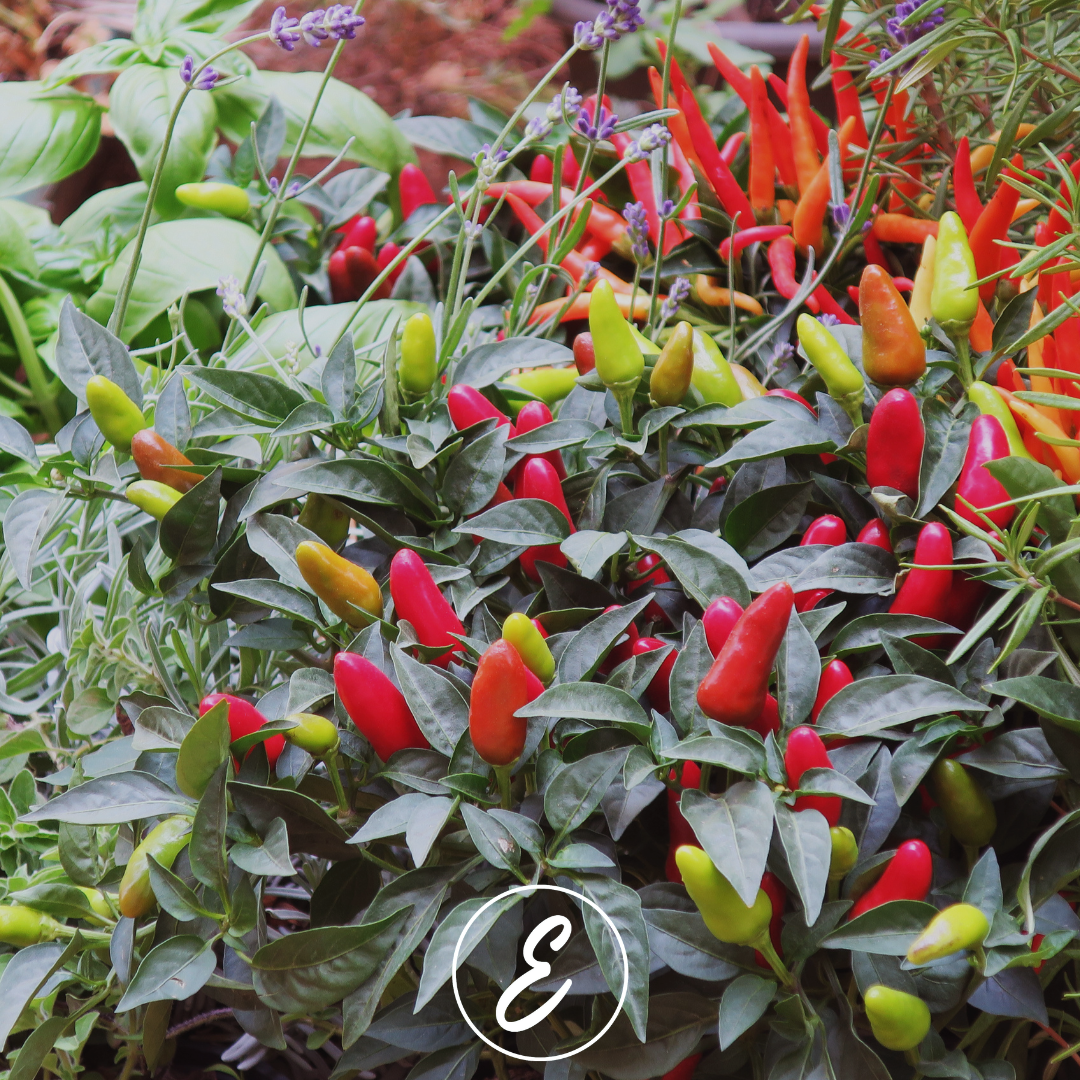
Growing your own vegetables is one of the simplest and most rewarding ways to take control of what you eat. By focusing on the produce you and your family enjoy, you’ll save money, reduce waste, and enjoy fresher, healthier meals straight from your garden.
1. Decide What to Grow Based on Your Diet
Start by thinking about the vegetables your family eats most often. If you frequently enjoy salads, consider planting lettuces, rocket, and cucumbers. For cooking staples, tomatoes, courgettes, and carrots are versatile options. Tailor your garden to what you’ll actually use to make the most of your space.
2. Assess Your Growing Space
You don’t need a large garden to grow vegetables. Even if you have limited room, many vegetables thrive in pots or grow bags. Use vertical space for climbing plants like beans and peas, or try window boxes for herbs and smaller crops like radishes or spring onions.
3. Start Simple and Build Confidence
For beginners, it’s best to start with low-maintenance crops. Easy options include:
- Lettuce and spinach: Fast-growing and suitable for continuous harvesting.
- Cherry tomatoes: Perfect for pots and prolific in production.
- Herbs like basil, parsley, and thyme: Compact and great for flavouring meals.
4. Choose the Right Season
Timing is everything. Plant crops suited to the current season to ensure success. For example, in summer, grow fast crops like zucchini, cucumbers, and salad greens. Keep a planting calendar handy to know what works best for your climate and season.
5. Prepare Your Soil or Pots
Healthy soil is the foundation of a productive vegetable garden. Enrich it with compost or organic matter to provide nutrients. If using pots, ensure they have good drainage and fill them with high-quality potting mix.
6. Water Wisely
Vegetables need consistent watering, especially during hot weather. Water deeply but less frequently to encourage strong root systems. Morning is the best time to water to reduce evaporation and avoid fungal issues.
7. Harvest Regularly
Frequent harvesting encourages plants to produce more. For example, pick zucchini when small to keep plants productive, or harvest spinach leaves individually to allow the plant to keep growing.
8. Experiment with Companion Planting
Some plants work well together and can improve growth or deter pests. Pair carrots with onions to protect against pests or grow basil alongside tomatoes for enhanced flavour and pest control.
Final Thoughts
Growing your own vegetables is a simple way to eat healthier, reduce food costs, and enjoy a deeper connection to your meals. By focusing on what you eat regularly, starting small, and keeping it seasonal, you’ll create a garden that works for your lifestyle.
Ready to get started? Whether it’s a few pots on a balcony or a full garden plot, growing your own vegetables is easier than you think!