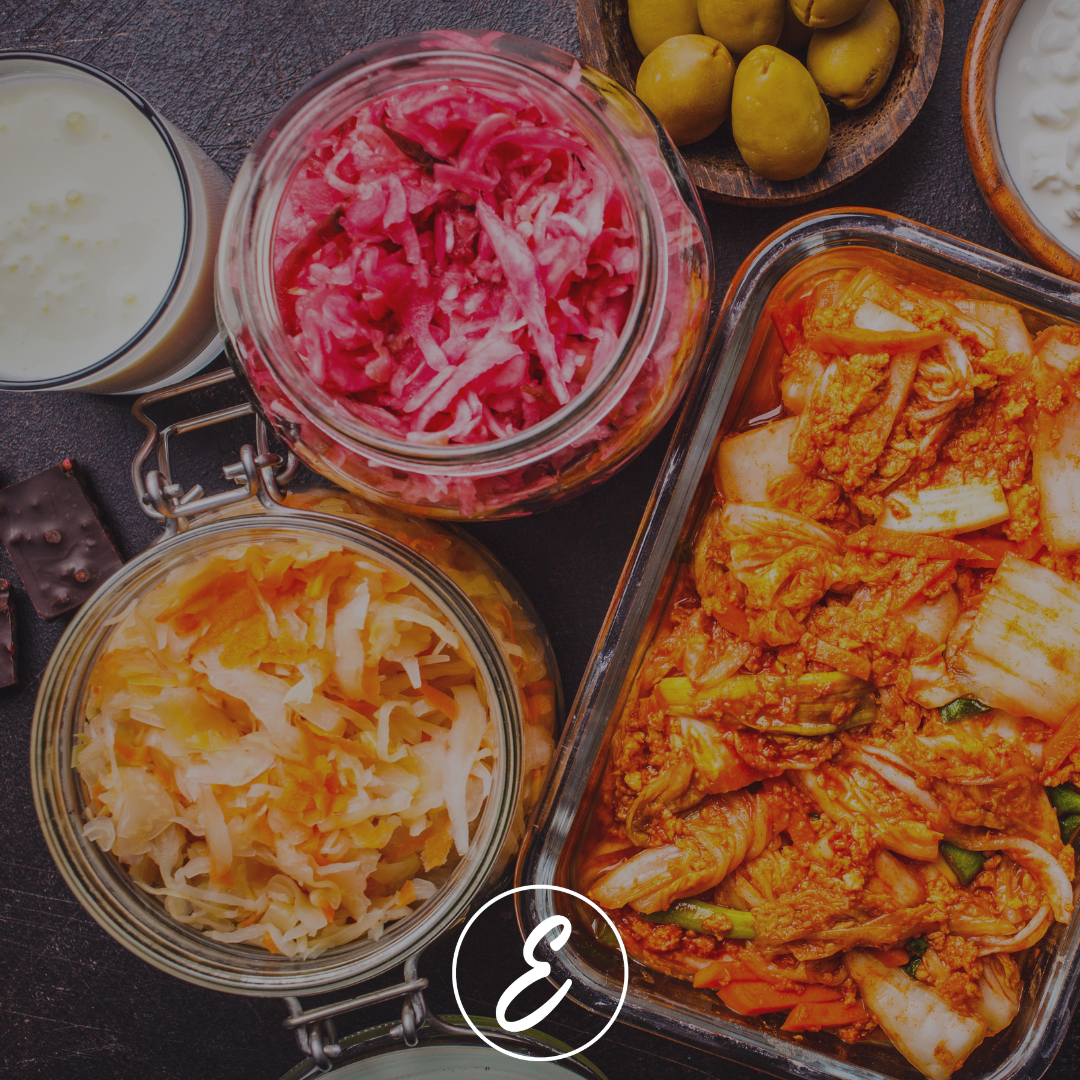
Gut health plays a crucial role in overall wellness, influencing everything from digestion and immunity to mental health. One of the most effective ways to support your gut is by incorporating probiotics into your diet. These live microorganisms, often referred to as “good bacteria,” can help restore balance to your gut microbiome and alleviate digestive issues, boost immunity, and even improve mood.
This article explores the benefits of probiotics and how you can incorporate them into your diet to support long-term gut health.
What Are Probiotics and Why Are They Important?
Probiotics are beneficial bacteria that naturally reside in your gut. They help maintain a balanced gut microbiome by:
- Supporting digestion and nutrient absorption
- Protecting against harmful bacteria
- Boosting the immune system
- Producing neurotransmitters like serotonin, which influence mood and mental health
When your gut microbiome is disrupted—due to stress, illness, antibiotics, or a poor diet—probiotics can help restore equilibrium.
Health Benefits of Probiotics
- Improved Digestion Probiotics can help alleviate bloating, gas, constipation, and diarrhoea by improving the balance of bacteria in your gut.
- Enhanced Immune Function A healthy gut microbiome strengthens your immune system, reducing the risk of infections and illnesses.
- Reduced Inflammation Chronic inflammation is linked to many health issues, including autoimmune diseases. Probiotics help reduce gut inflammation, which benefits overall health.
- Better Mental Health The gut-brain connection means that a healthy gut microbiome can positively influence mood and reduce symptoms of anxiety and depression.
- Support for Skin Health Conditions like eczema and acne may improve with better gut health, aided by probiotics.
Top Probiotic Foods to Include in Your Diet
Adding probiotic-rich foods to your meals is a simple and delicious way to support gut health. Here are some top options:
1. Yoghurt
- Look for natural, unsweetened yoghurt with live and active cultures like Lactobacillus and Bifidobacterium.
- Pair it with fresh fruit and honey for a gut-friendly breakfast.
2. Kefir
- This fermented milk drink is packed with diverse probiotic strains.
- Add it to smoothies or enjoy it plain as a refreshing snack.
3. Sauerkraut
- Fermented cabbage is a traditional probiotic-rich food.
- Add it as a tangy side to salads, sandwiches, or grilled meats.
4. Kimchi
- This spicy Korean staple is made from fermented vegetables and spices.
- Use it as a side dish or mix it into rice bowls and stir-fries.
5. Miso
- A fermented soybean paste, miso is a versatile probiotic ingredient.
- Stir it into soups or use it as a base for marinades and dressings.
6. Tempeh
- Made from fermented soybeans, tempeh is a protein-rich probiotic food.
- Slice it into stir-fries, salads, or sandwiches.
7. Pickles (Fermented in Brine)
- Choose pickles made through natural fermentation, not those preserved in vinegar.
- Enjoy as a snack or side to add crunch and flavour.
8. Kombucha
- This fizzy, fermented tea is a refreshing source of probiotics.
- Drink it on its own or use it as a mixer in mocktails.
9. Probiotic Supplements
- If probiotic-rich foods are not accessible or convenient, supplements can help. Look for a product with multiple strains and consult a healthcare provider for guidance.
How to Incorporate Probiotics into Your Routine
- Start Slowly Introduce probiotics gradually to avoid digestive discomfort as your gut adjusts.
- Diversify Your Sources Include a variety of probiotic-rich foods to support a diverse gut microbiome.
- Pair with Prebiotics Prebiotics, found in foods like bananas, onions, garlic, and oats, feed the good bacteria in your gut, enhancing the effectiveness of probiotics.
- Be Consistent Make probiotic foods a regular part of your meals rather than an occasional addition.
- Stay Hydrated Drinking plenty of water supports healthy digestion and the activity of probiotics.
A Sample Day of Probiotic-Rich Eating
Breakfast: Greek yoghurt with fresh berries, chia seeds, and a drizzle of honey. Lunch: Grilled chicken salad with a side of sauerkraut or kimchi. Snack: A glass of kombucha or kefir. Dinner: Miso soup with tempeh stir-fry and steamed vegetables. Dessert: A small bowl of yoghurt topped with crushed nuts and a sprinkle of cinnamon.
Final Thoughts
Incorporating probiotics into your diet is a powerful step toward better gut health and overall wellness. Whether you enjoy yoghurt, sip on kombucha, or experiment with kimchi and miso, these beneficial bacteria can transform your digestive system, enhance immunity, and even boost your mood. Start small, stay consistent, and pair your probiotic intake with a balanced, nutrient-rich diet to experience the full benefits.