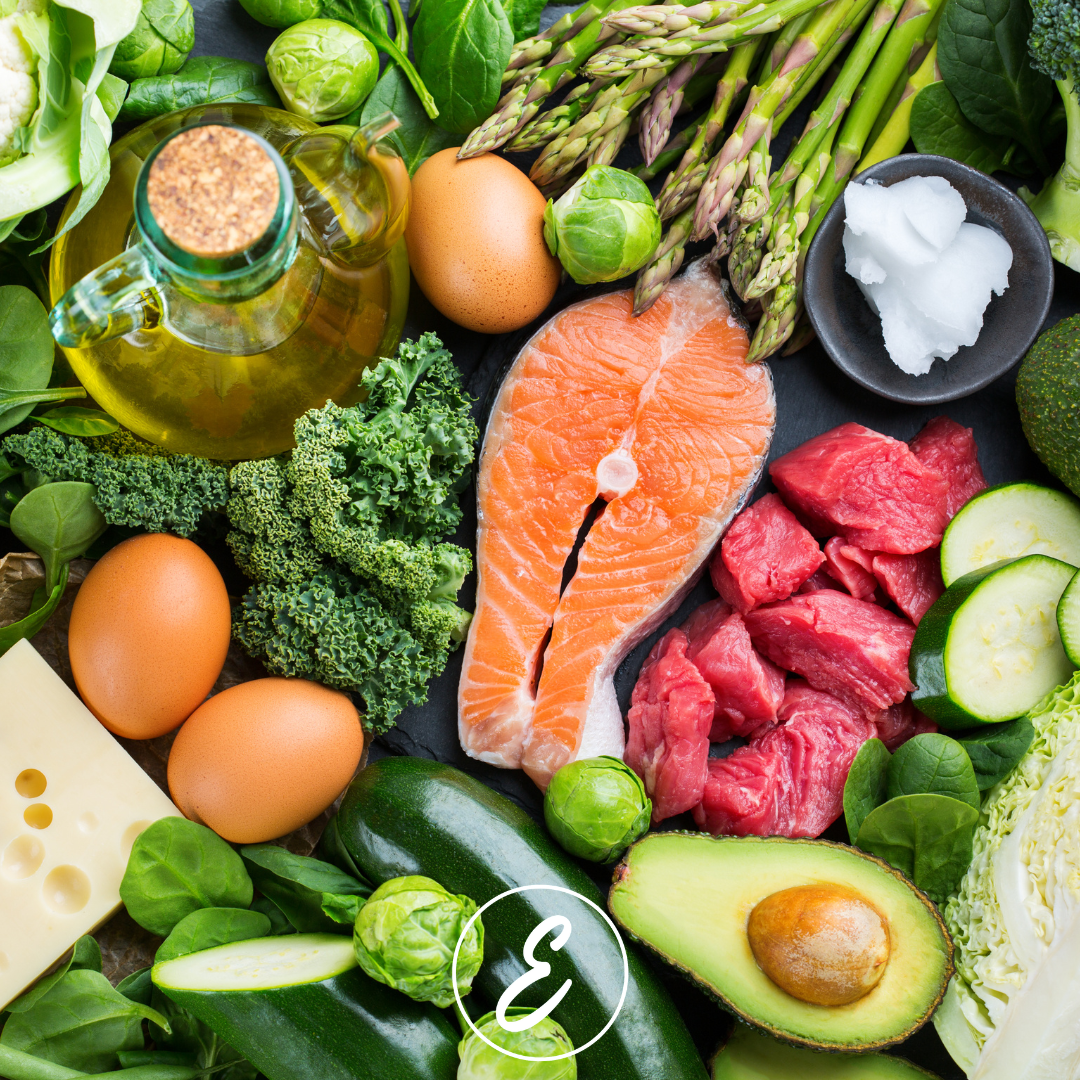
Feeling perpetually tired can be frustrating, especially when life demands your full attention. While factors like poor sleep and stress play a role, nutrition is often overlooked as a cause—and a solution. The right foods can help stabilise blood sugar, combat fatigue, and improve overall energy levels. Here’s how to use nutrition to reclaim your energy and vitality.
1. Prioritise Balanced Meals
Why It Matters
Balanced meals ensure your body receives the right combination of macronutrients—carbohydrates, protein, and healthy fats—which are essential for sustained energy.
Tips for Balanced Eating:
- Complex Carbohydrates: Opt for slow-releasing carbs like whole grains, sweet potatoes, and oats. They provide steady energy instead of spikes and crashes.
- Protein Power: Include lean protein sources like chicken, eggs, fish, tofu, and legumes to keep you feeling full and energised.
- Healthy Fats: Avocados, nuts, seeds, and olive oil help your body absorb vitamins and keep your energy levels stable.
Example Meal:
Grilled salmon with quinoa, roasted vegetables, and a drizzle of olive oil.
2. Stay Hydrated
Why It Matters
Dehydration is a common yet overlooked cause of fatigue. Even mild dehydration can impact concentration and energy levels.
How to Stay Hydrated:
- Drink at least 1.5–2 litres of water daily.
- Include water-rich foods like cucumbers, watermelon, and oranges in your diet.
- Limit caffeinated drinks, as they can lead to dehydration over time.
Pro Tip: Start your day with a glass of water and keep a reusable bottle with you throughout the day.
3. Avoid Energy-Draining Foods
Why It Matters
Certain foods can cause energy spikes followed by crashes, leaving you feeling worse than before.
Foods to Minimise:
- Refined Sugars: Found in sweets, fizzy drinks, and processed snacks.
- White Carbohydrates: Swap white bread, pasta, and rice for wholegrain alternatives.
- Highly Processed Foods: These often lack nutrients and contain additives that can disrupt energy levels.
Better Choices: Replace sugary snacks with fruit and nuts for a natural energy boost.
4. Embrace Energy-Boosting Foods
Why It Matters
Some foods are packed with vitamins and minerals that naturally combat fatigue and improve overall vitality.
Energy-Boosting Foods to Include:
- Bananas: A perfect balance of carbs, potassium, and natural sugars.
- Spinach: Rich in iron, which helps oxygenate your blood and prevent fatigue.
- Eggs: A powerhouse of protein and B vitamins for sustained energy.
- Oats: Full of fibre and slow-releasing carbs to keep you energised.
- Dark Chocolate: Contains magnesium and a small caffeine boost for a pick-me-up.
Quick Snack Idea: A handful of almonds and a square of dark chocolate.
5. Time Your Meals Right
Why It Matters
Irregular eating patterns can lead to blood sugar dips, resulting in sluggishness and irritability.
Tips for Meal Timing:
- Eat small, balanced meals or snacks every 3–4 hours to maintain energy.
- Avoid skipping breakfast; it sets the tone for your blood sugar levels throughout the day.
- Don’t eat heavy meals right before bed, as digestion can interfere with sleep quality.
Example Snack: Apple slices with almond butter.
6. Boost Energy with Vitamins and Minerals
Why It Matters
Deficiencies in certain nutrients can directly contribute to fatigue.
Key Nutrients to Focus On:
- Iron: Essential for preventing anaemia and fatigue. Found in spinach, red meat, and lentils.
- Magnesium: Helps muscle function and energy production. Found in nuts, seeds, and leafy greens.
- Vitamin B12: Supports red blood cell production. Found in eggs, dairy, and fortified cereals.
- Vitamin D: Low levels can cause tiredness. Boost it with sunshine, salmon, and fortified foods.
Pro Tip: If you suspect a deficiency, consult a doctor for blood tests and tailored advice.
7. Limit Stimulants and Alcohol
Why It Matters
While caffeine and alcohol can seem like quick fixes for tiredness, they often do more harm than good.
Tips:
- Limit caffeine to one or two cups of coffee per day and avoid it after midday.
- Reduce alcohol consumption, especially in the evening, as it can disrupt sleep quality.
Better Alternative: Replace your afternoon coffee with herbal tea, like peppermint or ginger, for a gentle pick-me-up.
8. Get Moving
Why It Matters
Though not directly related to diet, physical activity can work hand-in-hand with good nutrition to boost your energy levels.
Simple Ways to Move More:
- Take a brisk walk after meals to improve digestion and energy.
- Stretch or practise yoga to reduce stress and invigorate your body.
Example Energy-Boosting Day
Breakfast:
Overnight oats with almond milk, banana, and a sprinkle of chia seeds.
Snack:
Greek yoghurt with a handful of mixed nuts.
Lunch:
Grilled chicken and avocado salad with quinoa and olive oil dressing.
Snack:
A boiled egg with a piece of dark chocolate.
Dinner:
Roasted salmon with sweet potato mash and steamed spinach.
Hydration:
2 litres of water and herbal teas throughout the day.
If you’re tired all the time, small adjustments to your diet can make a big difference. By focusing on balanced meals, staying hydrated, and including energy-boosting foods, you can fuel your body for a more energised, productive day. Remember, consistency is key—start with a few changes and build from there to feel your best.