Frozen seafood is a convenient, nutritious, and versatile ingredient to keep on hand. Whether you’re whipping up a quick dinner or planning a gourmet meal, frozen prawns, fish fillets, and mixed seafood can elevate your dishes without the hassle of sourcing fresh seafood. Here are some creative and practical ways to use frozen seafood in your cooking.
Why Choose Frozen Seafood?
- Convenience: Frozen seafood is pre-cleaned, portioned, and ready to use straight from the freezer.
- Freshness: Modern freezing techniques lock in nutrients and flavour, often making frozen seafood as good as fresh.
- Versatility: From prawns to scallops, frozen seafood adapts well to a variety of cuisines and dishes.
- Sustainability: Frozen options reduce food waste and allow access to seasonal catches year-round.
Meal Ideas Using Frozen Seafood
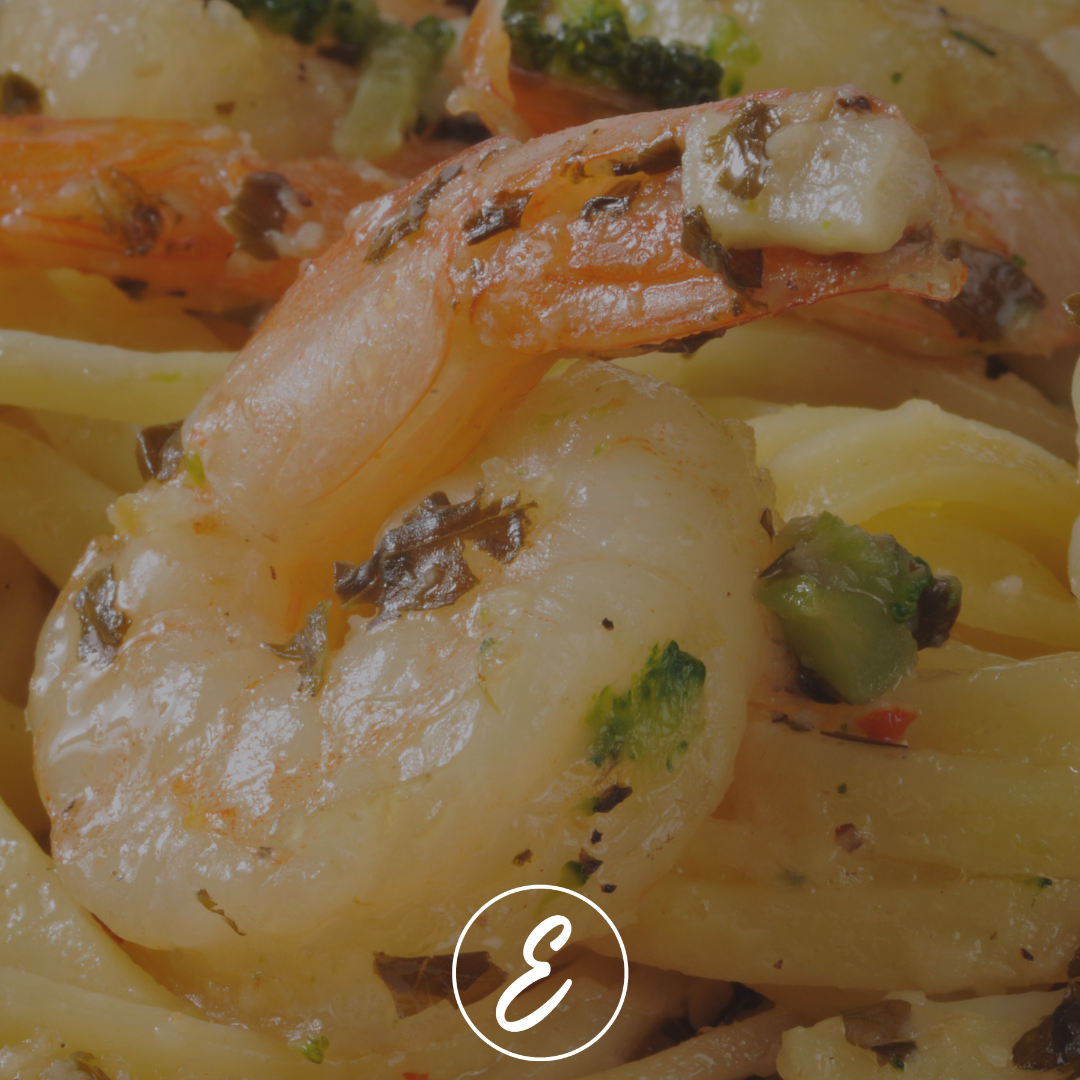
- Garlic Butter Prawn Linguine
- Why It’s Great: Quick to make and bursting with flavour, this dish transforms frozen prawns into a gourmet dinner.
- How to Make: Sauté defrosted prawns in garlic, butter, and a splash of white wine. Toss with cooked linguine and fresh parsley. Add a squeeze of lemon for brightness.
- Seafood Paella
- Why It’s Great: A Spanish classic, this one-pan meal works wonderfully with frozen prawns, mussels, and squid.
- How to Make: Sauté onions, peppers, and garlic with paprika and saffron. Add rice and stock, then stir in your frozen seafood towards the end of cooking for a perfectly cooked mix.
- Prawn and Vegetable Stir-Fry
- Why It’s Great: Healthy, fast, and adaptable to what you have on hand.
- How to Make: Stir-fry frozen prawns with your favourite vegetables, garlic, and soy sauce. Serve over rice or noodles.
- Creamy Seafood Chowder
- Why It’s Great: Comforting and hearty, frozen mixed seafood shines in this creamy dish.
- How to Make: Simmer defrosted seafood with potatoes, corn, onions, and a creamy broth for a warming soup.
- Thai Coconut Prawn Curry
- Why It’s Great: Frozen prawns absorb the aromatic spices of this curry beautifully.
- How to Make: Simmer defrosted prawns in a sauce made with coconut milk, red curry paste, ginger, and lime leaves. Serve with steamed jasmine rice.
Tips for Cooking with Frozen Seafood
- Defrost Properly: Thaw seafood in the fridge overnight or use the cold-water method for faster defrosting. Avoid using hot water, which can unevenly cook or alter the texture.
- Pat Dry: After defrosting, pat seafood dry with a paper towel to help achieve a better sear or texture.
- Season Lightly: Let the natural flavours of seafood shine. Use complementary seasonings rather than overpowering the dish.
- Cook Gently: Overcooking can make seafood tough. Add frozen seafood to your dish towards the end of the cooking process for best results.
Nutritional Benefits of Frozen Seafood
- Protein-Rich: Prawns and other seafood provide high-quality protein essential for muscle repair and overall health.
- Omega-3 Fatty Acids: Fatty fish and seafood are excellent sources of heart-healthy omega-3s.
- Low-Calorie: Seafood is generally low in calories, making it ideal for weight management.
- Minerals: Frozen seafood is rich in iodine, selenium, and zinc, supporting thyroid function and immunity.
Storage Tips
- Always check the packaging for freezing and expiration dates.
- Store seafood in an airtight bag or container to avoid freezer burn.
- Use within 3-6 months for the best quality.
Frozen seafood is a versatile ingredient that fits seamlessly into a busy lifestyle while promoting health and culinary creativity. With these recipes and tips, you can enjoy delicious, nutritious meals any day of the week. So, stock your freezer with prawns, fish fillets, and mixed seafood, and let your imagination guide your cooking!
See also 5 Delicious Ways to Use Frozen Salmon.