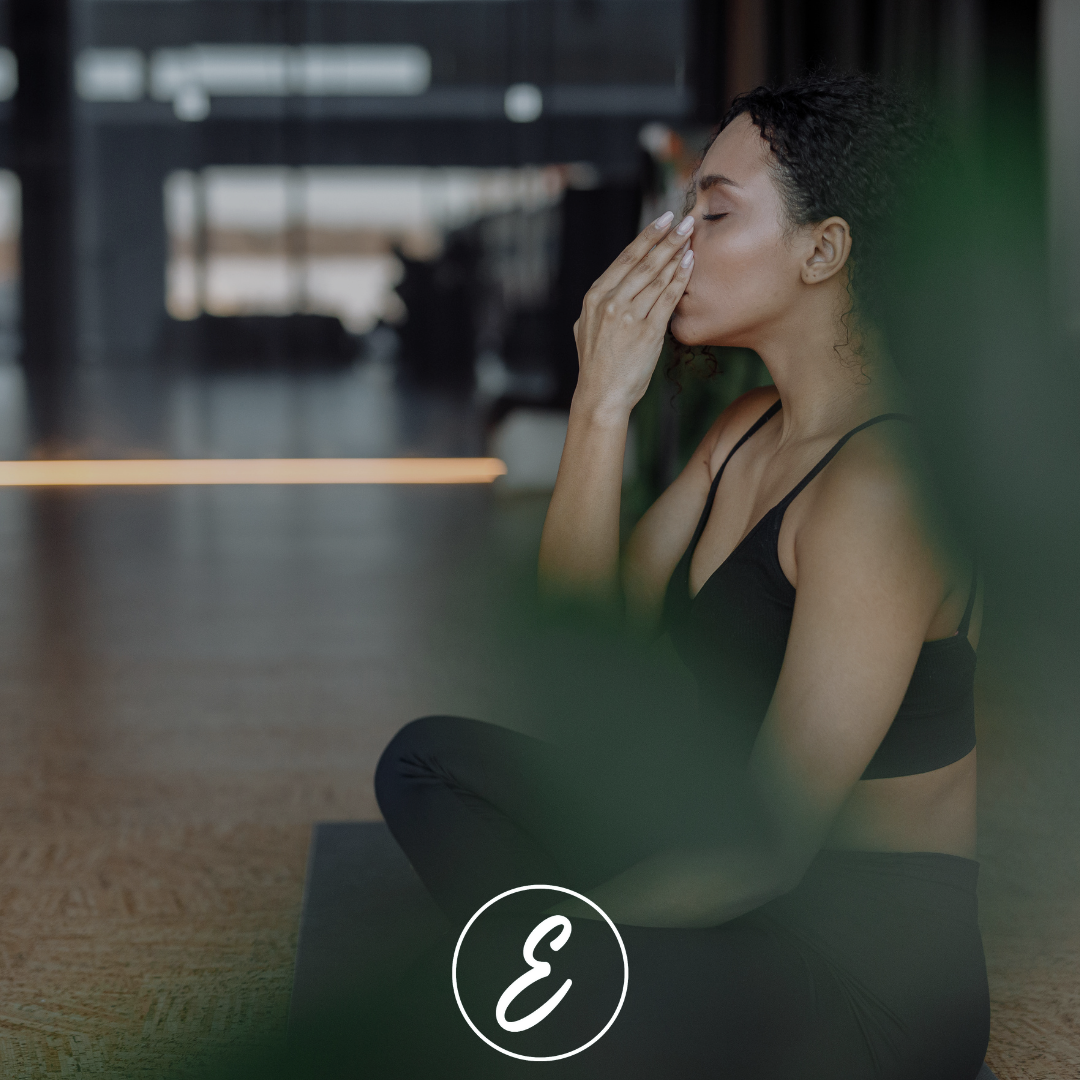
As we age, staying active becomes more important than ever. While the body naturally undergoes changes in muscle mass, metabolism, and flexibility, regular movement can help maintain strength, prevent injuries, and support overall health. But does exercise after 40 have to be intense? Not at all! Incorporating gentle movement, strength training, and mobility work into your routine can keep you feeling energised, strong, and pain-free.
Why Movement Matters After 40
1. Muscle Mass Naturally Declines
After 30, we start losing muscle mass at a rate of 3-8% per decade. This can lead to reduced strength, slower metabolism, and an increased risk of injury.
How to Counteract It:
- Incorporate strength training (bodyweight exercises, resistance bands, or weights) at least twice a week.
- Focus on functional movements like squats, lunges, and push-ups to support daily activities.
- Prioritise protein intake to aid muscle recovery and maintenance.
2. Joint Health & Flexibility Need More Attention
Aging naturally leads to stiffness and reduced flexibility, increasing the risk of aches and injuries.
How to Improve Mobility:
- Add daily stretching (especially for the hips, hamstrings, and shoulders) to maintain flexibility.
- Practice low-impact exercises like yoga or Pilates to support joint health.
- Stay hydrated and include collagen-rich foods to nourish connective tissues.
3. Movement Supports Bone Density
Bone density starts to decline with age, increasing the risk of osteoporosis and fractures.
How to Strengthen Bones:
- Engage in weight-bearing exercises (walking, jogging, hiking) to stimulate bone growth.
- Include resistance training to strengthen bones and muscles simultaneously.
- Ensure adequate calcium and vitamin D intake to support bone health.
4. Exercise Helps Hormonal Balance
After 40, hormone fluctuations can impact energy levels, metabolism, and fat storage.
How to Balance Hormones Through Movement:
- Incorporate a mix of strength training, cardio, and relaxation exercises.
- Reduce stress with gentle activities like tai chi or deep breathing exercises.
- Focus on consistent movement rather than high-intensity workouts that cause excessive stress.
5. Cardiovascular Health Becomes a Priority
The risk of heart disease increases with age, making regular movement crucial.
How to Keep Your Heart Healthy:
- Aim for 30 minutes of moderate activity (brisk walking, swimming, cycling) most days of the week.
- Include short bursts of intensity (such as stair climbing or interval training) for heart health.
- Prioritise good posture and breathing techniques to maximise cardiovascular efficiency.
Simple Ways to Keep Moving Every Day
If structured workouts aren’t for you, there are still plenty of ways to stay active:
- Take a 10-minute walk after meals to aid digestion and boost circulation.
- Use standing desks or take movement breaks during work hours.
- Stretch while watching TV or after long periods of sitting.
- Carry groceries, garden, or play with your kids—functional movement counts!
What Type of Exercise Should You Prioritise?
A balanced mix of movement styles can help you stay fit and healthy:
1. Strength Training (2-3x per week)
- Resistance bands, bodyweight exercises, or light dumbbells.
- Helps maintain muscle mass, boosts metabolism, and supports bone density.
2. Low-Impact Cardio (Most Days of the Week)
- Walking, swimming, or cycling to keep your heart strong.
- Supports metabolism without excessive strain on the joints.
3. Flexibility & Mobility Work (Daily or as Needed)
- Yoga, Pilates, or stretching to maintain flexibility and prevent stiffness.
- Reduces aches and supports posture.
4. Functional & Core Strengthening Exercises
- Balance exercises to prevent falls and maintain stability.
- Core exercises like planks or rotational movements to protect the lower back.
Movement after 40 doesn’t have to mean intense gym workouts—staying active can be simple, enjoyable, and tailored to your lifestyle. Whether it’s walking more, stretching daily, or adding resistance training, small, consistent habits make a big impact. Keep moving, stay strong, and embrace exercise as a key part of healthy aging!