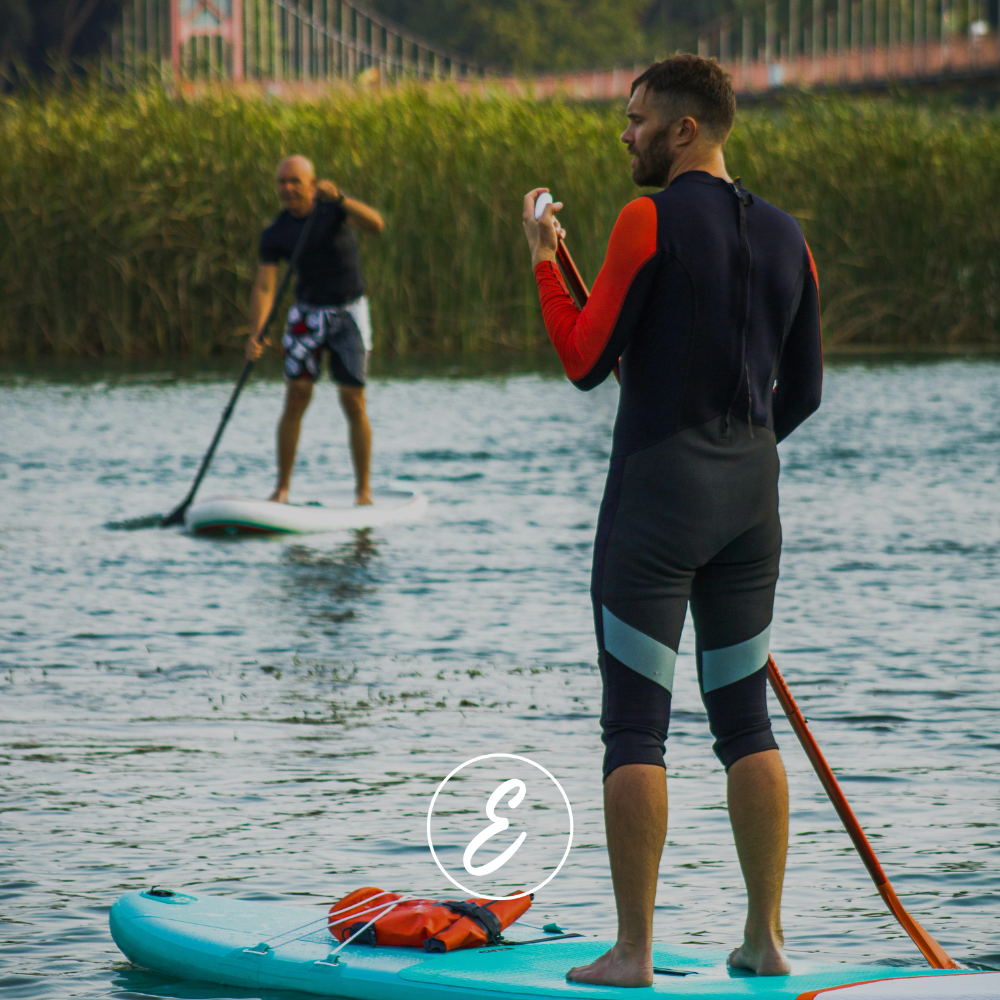
After 40, most men notice a quiet shift…
That old niggle in your back takes longer to ease. Recovery from a big weekend (or workout) takes days, not hours. And the muscle you once had? It’s fading — even if your weight hasn’t changed.
But here’s the truth: losing strength isn’t inevitable.
You just need to move differently — and with more intention.
⚖️ What’s Really Going On?
From your late 30s onwards, your body gradually:
- Produces less testosterone and growth hormone
- Begins losing muscle mass (sarcopenia)
- Stores more visceral fat around the belly
- Experiences slower recovery and more inflammation
Left unchecked, this impacts your:
- Energy
- Joint health
- Heart health
- Mental clarity
- And your ability to keep up with work, family, or physical tasks
💪 Why Strength Matters More Than Ever
Strength training isn’t about lifting heavy just to “get big.” It’s about:
- Supporting healthy testosterone levels
- Improving insulin sensitivity
- Reducing your risk of falls, fractures, and injury
- Keeping your metabolism humming
- And protecting your mental health
Studies show men who stay strong into midlife are more independent, more confident, and less likely to suffer lifestyle diseases later on.
🏋️♂️ What Counts as Strength Training?
You don’t need to join a gym (unless you want to).
Think:
- Bodyweight training (push-ups, squats, planks)
- Resistance bands or kettlebells at home
- Chopping wood, lifting garden soil, moving heavy boxes
- Hill walking or stair climbing
- Simple circuits using functional movements
👉 2–3 strength sessions a week = game changer.
🚶♂️ Don’t Forget Movement That Feels Good
Not everything needs to be a “workout.”
Try adding:
- Daily walks (10–20 minutes minimum)
- Mobility/stretching (great before bed)
- Weekend hikes or swim sessions
- Regular movement breaks if you’re desk-based
If it gets your heart rate up and your body moving, it counts.
🧠 Mind + Muscle
Strength training also:
- Sharpens your focus
- Improves sleep
- Reduces stress and cortisol
- And builds self-discipline that spills into all areas of life
Key Takeaway:
Being strong in your 40s, 50s, and beyond is one of the most powerful ways to protect your health.
You don’t need fancy gear — just consistency, intent, and movement that respects where you’re at.