As the vibrant hues of autumn unfold across Australia, it’s an excellent time for kitchen garden enthusiasts to think about changing their crops to match the season. Transitioning your garden as the cooler months approach can provide a bountiful harvest of vegetables suited to autumn’s unique growing conditions. Here’s how to refresh your kitchen garden for the autumn season in Australia.
Understanding the Climate
Autumn in Australia starts in March and ends in May. During these months, the weather gradually cools, especially in southern regions, making it ideal for growing a variety of vegetables that prefer cooler weather.
Planning Your Crops
When planning your autumn garden, consider vegetables that thrive in cooler temperatures and have a good tolerance for the shorter days of autumn. Some ideal autumn crops include:
- Leafy Greens: Spinach, kale, and Swiss chard are excellent choices as they can handle cool nights and mild days.
- Root Vegetables: Carrots, beets, and radishes can be sown directly into the soil. They have a good growth rate in the cooler months and their underground growing point keeps them protected from light frosts.
- Legumes: Peas are perfect for the cooler season. Snow peas and snap peas are particularly good choices for an autumn garden.
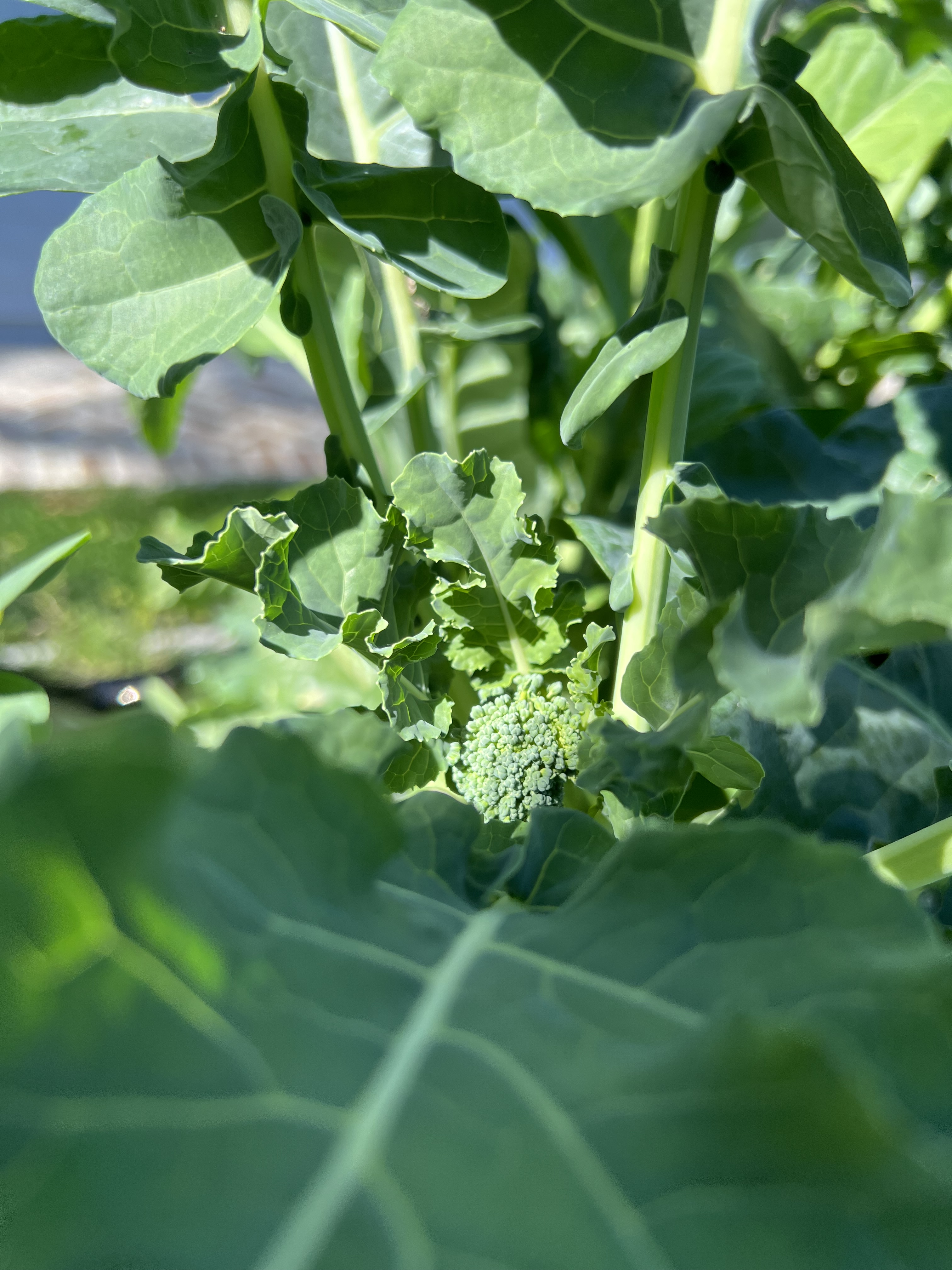
- Brassicas: Broccoli, cauliflower, and cabbage thrive in cooler weather. These crops need to be started early in the autumn to ensure they mature before the onset of winter.
- Alliums: Onions and garlic planted in autumn can be harvested in the spring and summer of the following year. They require minimal maintenance over the winter months.
Soil Preparation
Autumn is a great time to enrich your soil. After harvesting your summer crops, replenish the nutrients in your garden beds by adding compost or well-rotted manure. This will provide your autumn crops with a rich and fertile environment to grow in.
Planting Tips
- Timing is Key: For most regions, planting early in autumn allows the plants to establish themselves while the soil is still warm.
- Water Wisely: As the season progresses, reduce watering to match the cooler weather and decreased evaporation rates.
- Mulching: Apply a layer of mulch around your plants to retain soil moisture and regulate soil temperature.
Pest Management
Autumn can still experience the presence of pests such as slugs and snails, particularly around leafy greens. Natural methods such as beer traps or copper tape can be effective. Also, keep an eye out for white cabbage butterflies, which can be deterred with netting or companion planting with strong-scented herbs like sage or dill.
Harvesting and Usage
Many autumn crops can be used in seasonal dishes like soups and stews, which are perfect for cooler weather. Freshly picked leafy greens can add flavor and nutrition to salads and stir-fries.
Conclusion
Changing your crops with the seasons not only maximizes your garden’s yield but also helps to keep the soil healthy and balanced. Autumn planting encourages diversity in your garden, which can aid in pest and disease prevention. With some planning and preparation, your kitchen garden can continue to be a source of joy and nutrition throughout the cooler months in Australia.
Starting an autumn garden revitalizes your connection with nature and provides fresh produce that’s aligned with the environmental rhythm. Embrace this season’s gardening and enjoy the unique flavors that autumn has to offer!