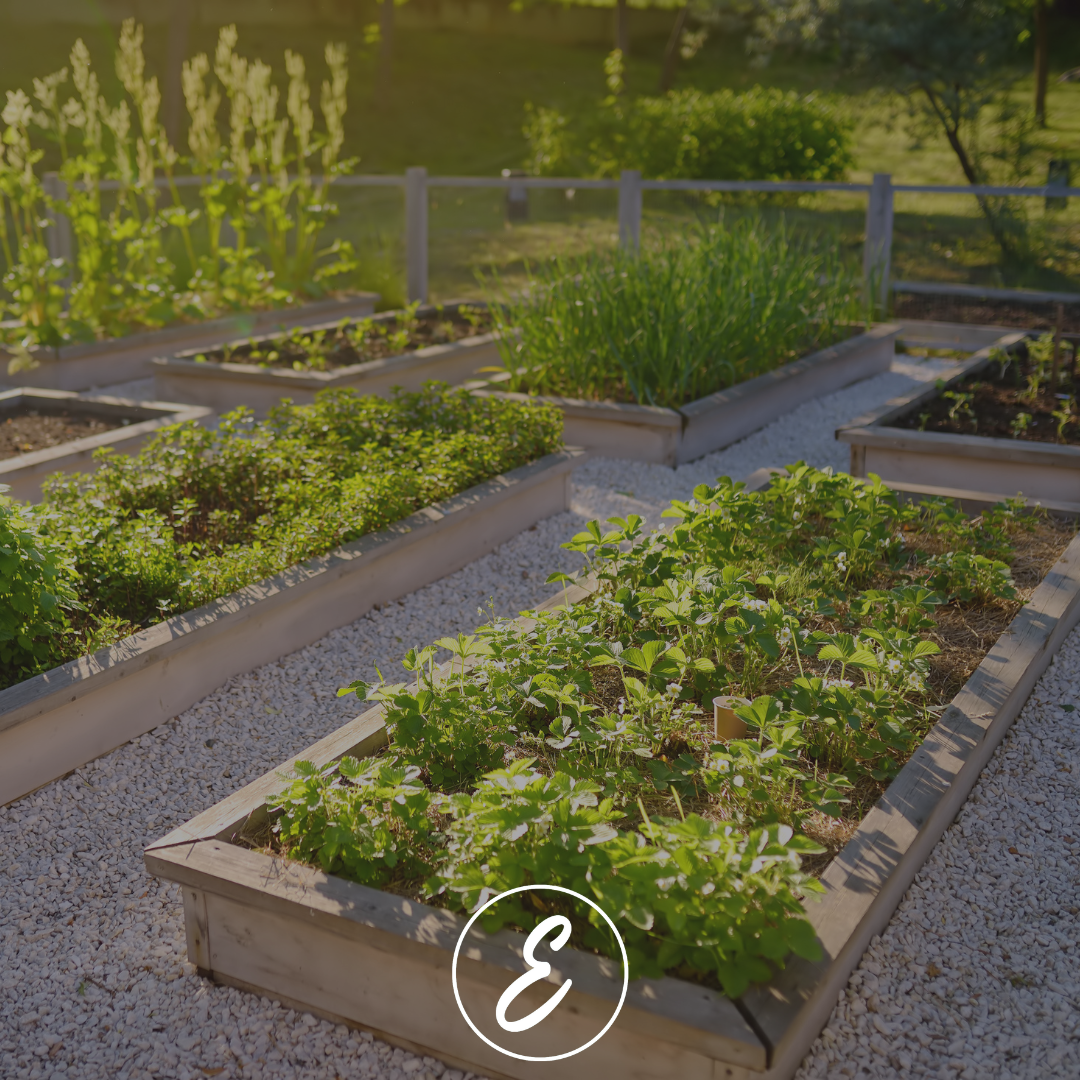
A kitchen garden sounds lovely.
Fresh vegetables. Herbs at your fingertips. A basket of produce straight from the backyard.
But in reality?
A lot of people grow food… and then don’t quite know what to do with it.
Too much of one thing.
Not enough of another.
Or it all comes at once.
That’s why a kitchen garden isn’t just about growing.
👉 It’s about growing what you’ll actually use — and knowing how to use it.
🌱 Start With What You Eat (Not What Looks Good)
Before you plant anything, ask:
👉 What do we actually cook every week?
Because there’s no point growing:
- 10 zucchini plants
- herbs you never use
- vegetables your family won’t eat
Start with your real meals:
- Pasta → tomatoes, basil, garlic
- Roasts → carrots, potatoes, greens
- Bitsa meals → mixed veg, herbs, anything flexible
This is where your garden starts to work for you.
🧄 The Kitchen Garden → Living Pantry Link
Your garden shouldn’t sit separate from your kitchen.
It should feed into your living pantry.
That means:
- Extra herbs → pesto or freezing
- Greens → soups, pasta, frittata
- Tomatoes → sauces for the freezer
- Veg scraps → broth
👉 Nothing wasted. Everything used.
This is where gardening becomes practical — not just seasonal.
🗓️ Keep It Seasonal (But Keep It Simple)
You don’t need to memorise charts.
Just work with the rhythm of your area.
In cooler regions (like the Southern Highlands):
- Winter → greens, broccoli, cabbage
- Spring → fast growers like lettuce and herbs
- Summer → tomatoes, zucchini, beans
- Autumn → root veg and slower crops
Instead of planting everything at once:
👉 plant small amounts regularly
That way, you’re not overwhelmed with produce all at once.
🌿 Build a Garden That Supports Real Meals
Think in terms of meal building, not just crops.
A good kitchen garden includes:
- A base → potatoes, pumpkin, grains (store-bought is fine)
- Greens → spinach, silverbeet, lettuce
- Flavour → herbs, garlic, onion
- Bulk veg → zucchini, beans, tomatoes
This gives you flexibility.
👉 The same flexibility you use in bitsa meals.
♻️ Simple Sustainability (Without the Overwhelm)
You don’t need a full system to get started.
Just a few habits:
Compost what you can
Kitchen scraps → back into the soil
Use what’s already there
Before planting more, use what’s growing
Rotate loosely
Don’t overthink it — just don’t plant the same thing in the same spot every time
Keep it manageable
A smaller, used garden is better than a big, neglected one
🥕 When Everything Comes at Once
This is where most people get stuck.
The garden is suddenly full… and it’s too much.
Instead of letting it go to waste:
👉 roast it
👉 freeze it
👉 turn it into sauces, pesto, or soups
This is how your garden becomes:
👉 meals now
👉 and meals later
🔥 A Bitsa Garden Mindset
Your garden doesn’t need to produce perfect meals.
It just needs to give you:
👉 bits to work with
A handful of greens
A few herbs
Some leftover veg
That’s enough.
Because:
👉 a bit of this + a bit of that = dinner
The Takeaway
A kitchen garden isn’t about growing more food.
It’s about growing the right food —
and actually using it.
When your garden connects to your kitchen:
- meals get easier
- waste goes down
- and food starts to make more sense
Final Thought
You don’t need acres.
You don’t need perfection.
Start with what you eat.
Grow a little.
Use it well.
And over time, your kitchen garden becomes something much more useful than just a place to grow food.
👉 It becomes part of how you feed your family.