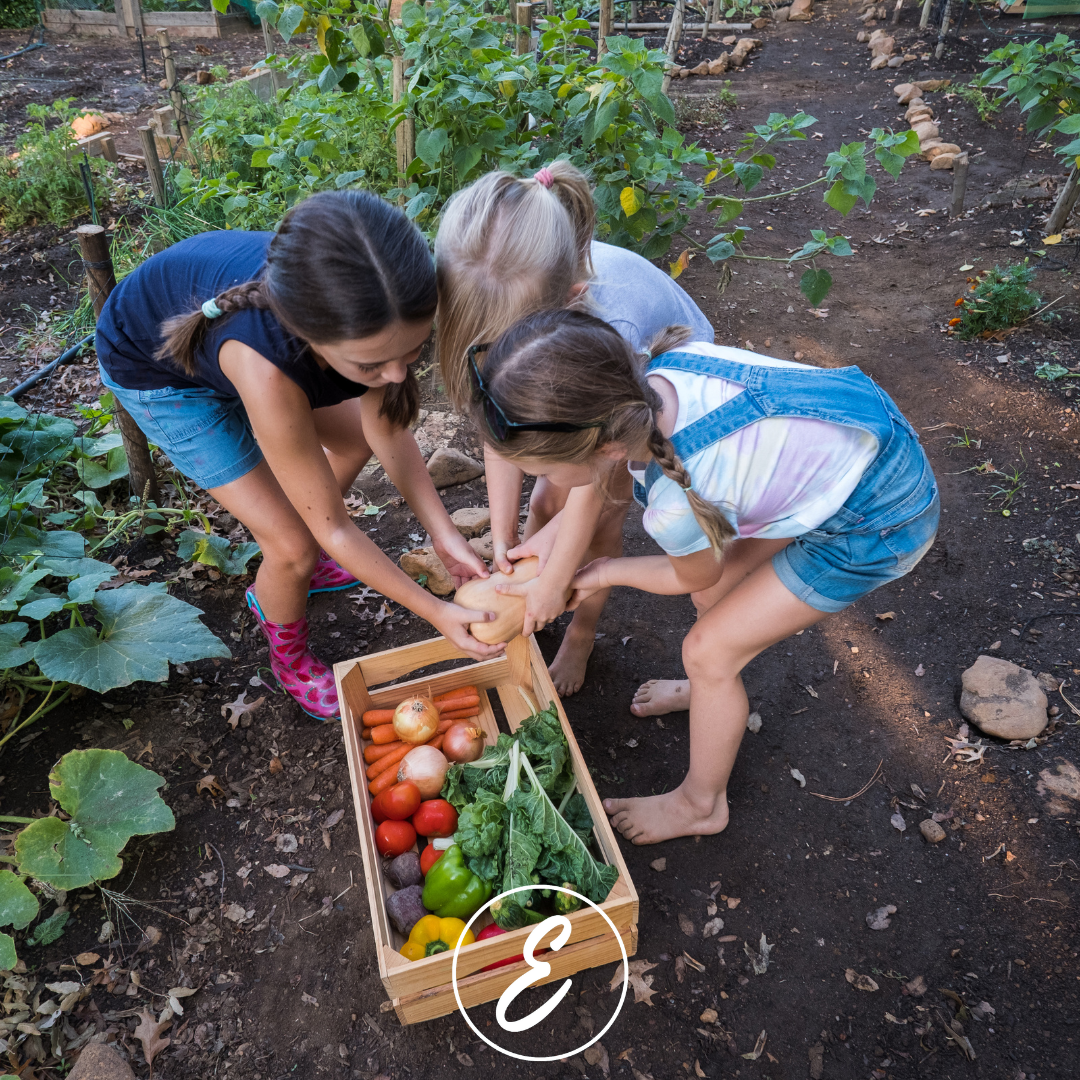
Homesteading in Australia has found renewed relevance in today’s fast-paced, convenience-driven society. With a growing focus on sustainability, self-sufficiency, and reconnecting with nature, modern homesteading offers a blend of traditional practices and modern convenience, allowing families to take control of their food production. Let’s explore how Australian families are embracing this lifestyle through growing a kitchen garden and making food from scratch.
1. Growing a Kitchen Garden: The Heart of Homesteading
A kitchen garden is the cornerstone of any homesteading endeavour. In Australia, with its varying climates, the types of vegetables, herbs, and fruits you grow will depend on your location. The key is to plan your garden around your family’s needs and the local growing conditions.

Choosing What to Grow: For a balanced approach, many homesteaders grow seasonal vegetables like carrots, zucchini, tomatoes, beans, spinach, and herbs such as basil, rosemary, and thyme. Depending on your region, you may also include fruit trees like lemons, apples, and figs.
Seasonal Planting: Knowing when to plant is essential. In warmer areas, some crops can be grown year-round, while in cooler regions, planting schedules need to align with the seasons. For example, you could plant broccoli and cauliflower in winter and capsicum and cucumbers in summer.
Sustainability Practices: Composting kitchen waste, using rainwater tanks, and practicing crop rotation help maintain soil fertility and reduce waste. The goal is to create a self-sustaining system where the garden supports your family’s food consumption with minimal external inputs.
2. Making Food from Scratch: A Return to Simplicity
Modern homesteading emphasises creating meals from the produce grown in your garden. This not only ensures a healthier diet but also reduces reliance on processed foods.
Preserving the Harvest: One of the joys of homesteading is preserving surplus produce. Canning, fermenting, and freezing are traditional methods that extend the shelf-life of fruits and vegetables. Homemade jams, pickles, and sauces made from garden ingredients become pantry staples, ready to be enjoyed throughout the year.
Bread, Butter, and Dairy: For many homesteaders, making staples like bread, butter, yoghurt, and even cheese from scratch is part of the daily routine. With more Australians interested in reducing processed food consumption, homemade dairy products and baked goods made with organic ingredients offer a natural alternative.
Home-Cooked Meals: Cooking from scratch allows you to control what goes into your meals. Simple, nutritious dishes such as vegetable stews, frittatas, and quiches become easy go-tos when using ingredients straight from the garden. Homemade stocks and broths made from leftover vegetable scraps help minimise waste while providing a flavourful base for future meals.

3. Self-Sufficiency in the Modern Age
While technology has transformed the way we live, modern homesteaders can still integrate traditional self-sufficiency with contemporary living.

Energy Efficiency: Many homesteaders in Australia choose to reduce their reliance on public utilities by installing solar panels and utilising greywater systems to water their gardens. This not only lowers their environmental footprint but also cuts energy costs.
Animal Husbandry: Depending on the size of your property, raising chickens for eggs or keeping bees for honey can enhance your self-sufficiency. In rural areas, some families might even raise small livestock like goats or sheep for milk and meat.
4. Benefits of Homesteading in Australia
Embracing a homesteading lifestyle offers numerous benefits:
Environmental Impact: A well-planned homestead can drastically lower your household’s carbon footprint. By growing your food, using sustainable gardening practices, and relying less on packaged goods, you contribute to the reduction of food miles and plastic waste.
Healthier Living: Growing your food means fewer pesticides, fresher produce, and a more nutrient-dense diet. You are in control of what goes into your meals, which reduces processed food intake and promotes better health.
Financial Savings: While there’s an initial investment in setting up a garden and purchasing necessary equipment, over time, homesteading can drastically reduce your grocery bills. Preserving and preparing food at home also cuts down on the need for expensive store-bought items.

5. Getting Started with Homesteading

Start Small: You don’t need to transform your entire backyard at once. Start with a small vegetable patch or herb garden, and gradually expand as you gain confidence.
Learn New Skills: Modern homesteading is about continuous learning. From gardening techniques to food preservation and even raising animals, there’s always something new to discover.
Connect with the Community: Homesteading is often about sharing knowledge. Many local Australian communities offer workshops or support groups focused on gardening, preserving, and sustainable living. Engaging with like-minded individuals can be an invaluable resource.
Final Thoughts: Embracing Homesteading in the Modern World
Homesteading is more than just a lifestyle; it’s a movement that reconnects people with the land and promotes sustainability, self-reliance, and mindful living. In Australia, where diverse climates provide unique growing conditions, homesteading allows families to enjoy the fruits of their labour by growing and making food from scratch.
The modern homesteader embraces the challenges and rewards of creating a sustainable food system that benefits their family, their health, and the planet. By growing a kitchen garden and making food from scratch, you not only ensure a healthier diet but also rediscover the satisfaction of living in harmony with nature.