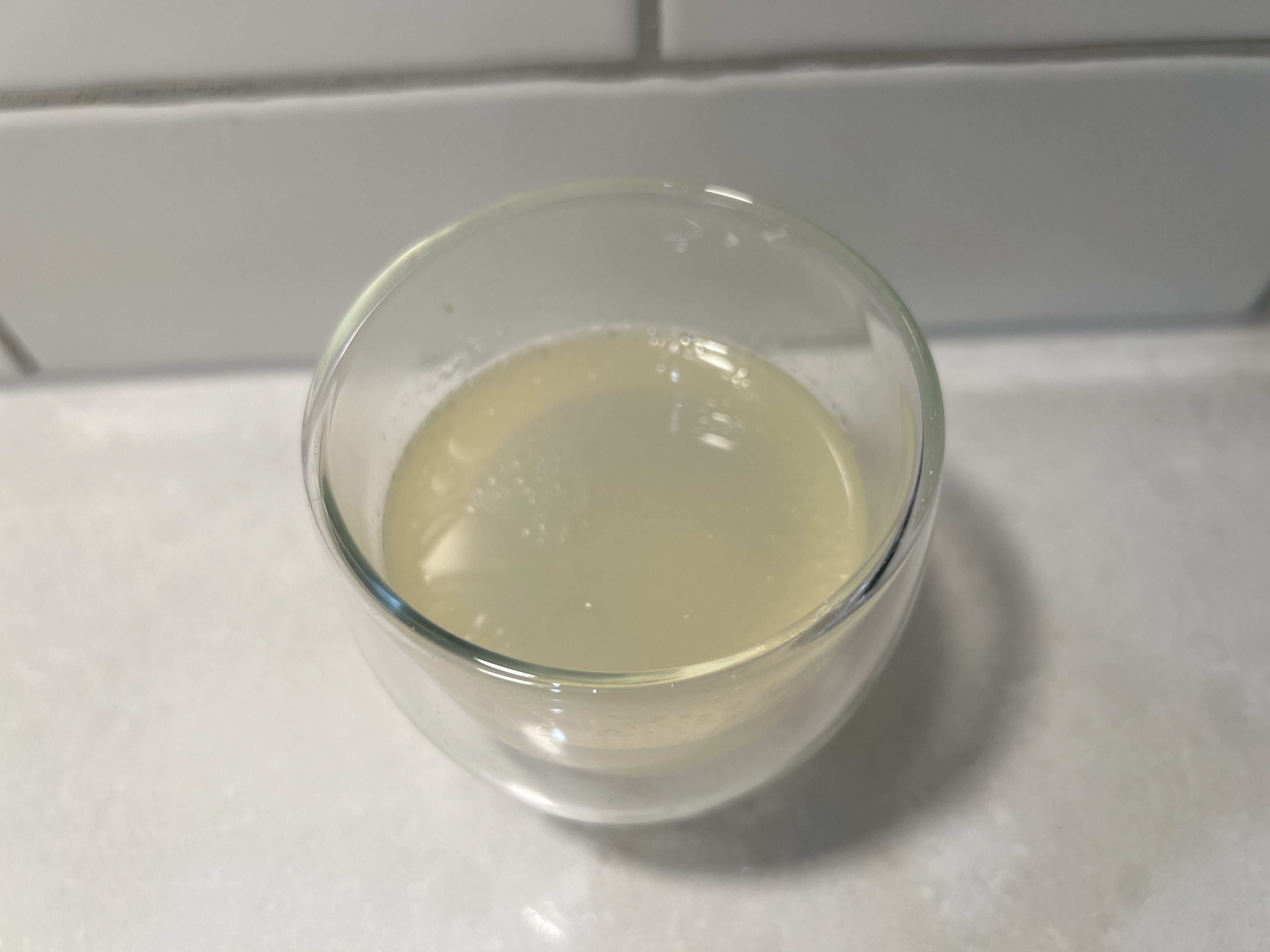
Bone broth might sound like the latest health trend, but in reality it’s one of the oldest foods in traditional cooking. For generations, families simmered bones slowly to create nourishing broths that formed the base of soups, stews and sauces.
Today, bone broth is having a revival — and for good reason. When bones and connective tissue are gently simmered over many hours, they release valuable nutrients including collagen, amino acids and essential minerals.
The result is a rich, flavourful broth that not only adds depth to cooking but may also support digestion, joint health and overall wellbeing.
If you’re looking for a simple, affordable way to add more nourishment to everyday meals, bone broth is one of the easiest places to start.
Why Bone Broth Is So Nutritious
Slow simmering allows bones, cartilage and connective tissue to release a variety of nutrients into the broth, including:
• collagen and gelatin
• amino acids such as glycine and proline
• minerals including calcium, phosphorus and magnesium
• compounds that support joint health like glucosamine and chondroitin
While bone broth isn’t a miracle cure, it can be a nourishing addition to a balanced diet and is especially helpful for people focusing on gut health and whole-food nutrition.
Key Health Benefits of Bone Broth
1. Supports Gut Health and Digestion
One of the main reasons bone broth has gained attention in recent years is its potential role in supporting digestive health.
The gelatin found in bone broth may help support the lining of the digestive tract and can make certain nutrients easier to absorb. Many people with digestive discomfort find warm broths easier to tolerate than heavier meals.
Bone broth is often included in gut-supportive diets because it provides gentle nourishment while being easy on the digestive system.
2. Helps Support Joint Health
Bones and connective tissue naturally contain collagen, glucosamine and chondroitin — compounds that are often found in joint supplements.
When these nutrients are released during slow cooking, they may help support joint function and mobility. For those dealing with joint stiffness or looking to maintain mobility as they age, bone broth can be a useful addition to regular meals.
3. Provides Immune Support
Bone broth contains a range of minerals and amino acids that support the body’s natural processes.
This is one reason warm broths have traditionally been served during cold and flu season. They provide hydration, nourishment and comfort at a time when the body needs additional support.
4. Supports Skin, Hair and Nail Health
Collagen plays an important role in maintaining the structure of skin, hair and nails. While collagen in food isn’t a direct replacement for the body’s own production, consuming collagen-rich foods can help provide the building blocks needed for healthy tissues.
Many people enjoy including bone broth regularly as part of a nutrient-rich diet that supports skin health from within.
5. A Nourishing, Low-Calorie Addition to Meals
Bone broth is naturally low in calories but rich in flavour and nutrients. This makes it a useful ingredient for people trying to maintain a balanced diet without relying on heavily processed foods.
Because it adds depth and richness to meals, it can also make simple dishes more satisfying.
Easy Ways to Use Bone Broth in Everyday Cooking
One of the best things about bone broth is how easy it is to incorporate into daily meals.
Here are a few simple ideas:
Sip it as a warm drink
Season with herbs, ginger or garlic for a comforting cup of broth.
Use it as a soup base
Bone broth makes an excellent base for soups, stews and slow-cooked meals.
Add it to sauces
Use broth instead of water when making gravies or pasta sauces for added flavour.
Cook grains in broth
Rice, quinoa and other grains become much more flavourful when cooked in broth rather than plain water.
Add it to slow cooker meals
Bone broth works beautifully in casseroles, curries and braised dishes.
Why Bone Broth Still Belongs in the Modern Kitchen
Bone broth is a perfect example of how traditional cooking methods can support modern health.
It’s inexpensive to make, reduces food waste by using bones that might otherwise be discarded, and provides a nourishing base for many meals.
In many ways, bone broth represents a return to simple, wholesome cooking — something our grandparents understood well.
Whether you sip it on its own or use it to enrich everyday recipes, bone broth is a small kitchen habit that can make a big difference over time.
Final Thoughts
Bone broth isn’t a magic solution, but it is a nourishing and versatile addition to a whole-food diet.
If you’re focusing on gut health, supporting your joints, or simply cooking more from scratch, learning to make and use bone broth is a wonderful place to start.
And once you begin using it in your cooking, you may find it quickly becomes a regular part of your kitchen routine.
Internal links
If you’d like to try making your own, you might enjoy my guide to lamb bone broth for gut health.