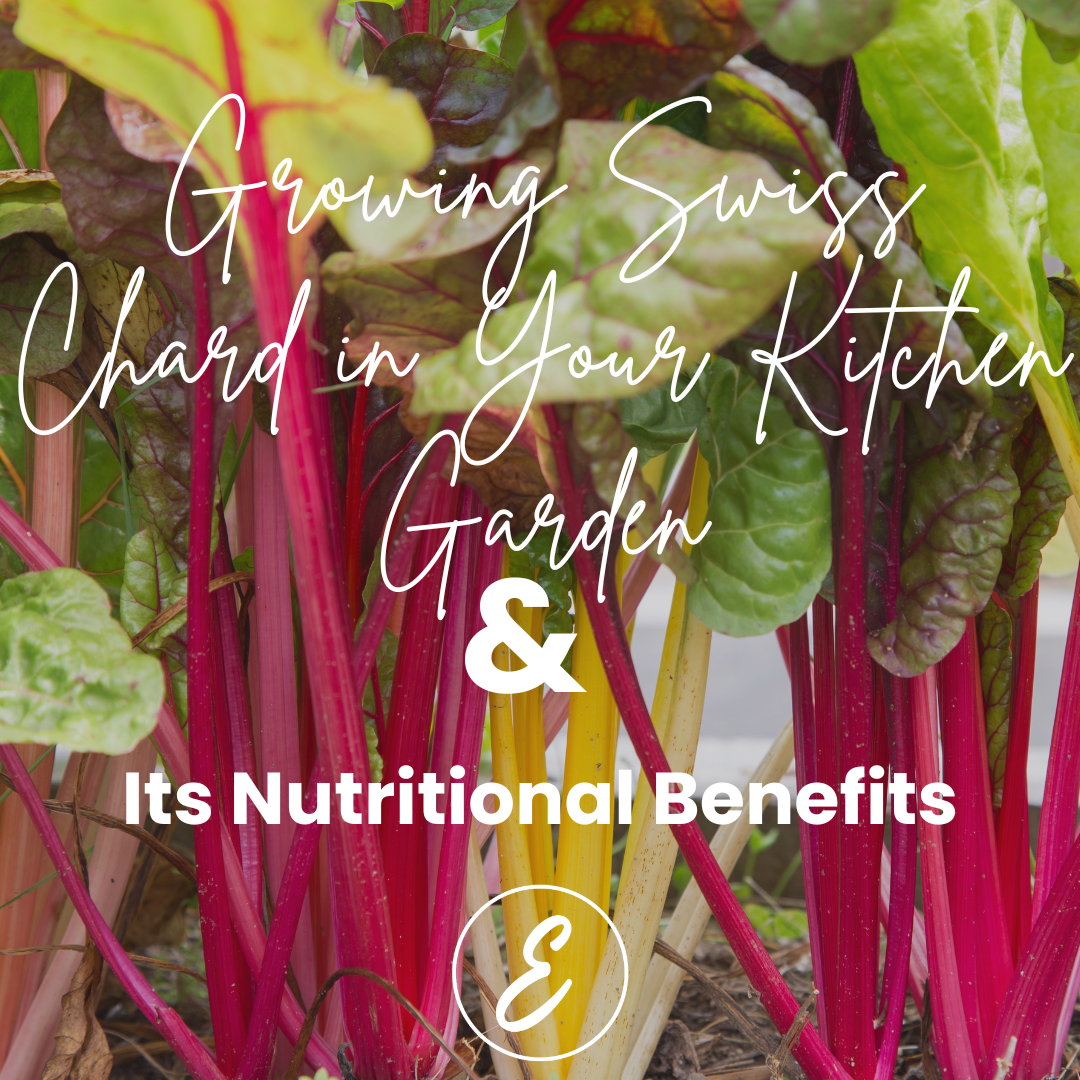
Swiss chard is a vibrant and nutritious leafy green that makes a worthwhile addition to any kitchen garden. Known for its bright, colourful stems and deep green leaves, it’s not only visually appealing but also packed with health benefits. This blog will guide you through how to cultivate Swiss chard in your garden and discuss its various nutritional advantages.
Cultivating Swiss Chard
Choosing a Site and Soil: Swiss chard thrives in a location that receives plenty of sunlight, although it can tolerate partial shade. The soil should be well-draining and rich in organic matter. A pH between 6.0 and 7.0 is ideal for growing Swiss chard.
Planting: You can start Swiss chard from seeds or seedlings. Sow seeds directly into the soil from early spring, spacing them about 30 cm apart, as Swiss chard needs room to grow due to its bushy nature. If starting with seedlings, ensure they are healthy and disease-free.
Watering and Care: Regular watering is crucial, especially during dry spells, to ensure the soil remains moist but not waterlogged. Mulching can help retain soil moisture and suppress weeds. Swiss chard benefits from a monthly feed with a balanced organic fertiliser.
Harvesting: Swiss chard can be harvested as early as 4 to 6 weeks after planting. Pick the outer leaves first, allowing the inner leaves to mature. The plant will continue producing new leaves throughout the growing season if maintained well.
Nutritional Benefits of Swiss Chard
Swiss chard is not only easy to grow but also a powerhouse of nutrients:
Rich in Vitamins: Swiss chard is an excellent source of vitamins K, A, and C. Vitamin K is essential for bone health, while vitamins A and C are powerful antioxidants that help strengthen the immune system and improve skin health.
Mineral Content: It is high in minerals such as magnesium, potassium, iron, and manganese. Magnesium and potassium help maintain heart health, iron is crucial for forming red blood cells, and manganese plays a role in bone development and enzyme function.
Dietary Fibre: The leaves are high in fibre, which promotes digestive health and helps in maintaining blood sugar levels.
Low in Calories: Swiss chard is low in calories, making it ideal for weight management. Its high nutrient density makes it a beneficial addition to any diet, especially for those looking to lose or manage their weight.
Antioxidant Properties: The vibrant colours of Swiss chard stems from the betalain pigments, which have been shown to provide antioxidant, anti-inflammatory, and detoxification support.
Incorporating Swiss Chard into Your Diet
Swiss chard is extremely versatile in the kitchen. It can be used in a variety of dishes:
- Sautéed or Steamed: Quick and easy, sautéing or steaming Swiss chard with a bit of garlic and olive oil makes a nutritious side dish.
- Smoothies: Young Swiss chard leaves can be blended into smoothies for a nutritional boost.
- Soups and Stews: Add Swiss chard to soups and stews for added texture and nutrients.
Growing Swiss chard in your kitchen garden provides a readily available source of numerous vitamins and minerals. It’s not only an attractive addition to your garden with its colourful stems and green leaves but also a nutritional powerhouse that can boost your health in multiple ways. Whether you’re an experienced gardener or just starting out, Swiss chard is an excellent choice for anyone looking to enhance their diet with homegrown produce.