Vitamin D plays a crucial role in maintaining overall health and energy levels, particularly as we age. For individuals over 40, it’s especially important to monitor and often enhance their intake of this vital nutrient to combat the natural decline that can come with age.
The Importance of Vitamin D
Vitamin D is not just any vitamin; it’s a steroid hormone that is essential for several critical bodily functions. It facilitates the absorption of calcium and phosphorus from our diet, which is vital for maintaining healthy bones and teeth. Moreover, Vitamin D influences cell growth modulation, neuromuscular and immune function, and inflammation reduction. There is also growing evidence suggesting its role in maintaining a healthy energy level, which can significantly impact one’s mood and overall vitality.
Why Vitamin D Levels Decline with Age
As we age, several factors can lead to decreased levels of Vitamin D. Firstly, the skin’s ability to synthesise Vitamin D from sunlight diminishes, which means older adults produce less vitamin D in response to sun exposure compared to their younger counterparts. Additionally, older adults are more likely to spend time indoors, which further limits their exposure to sunlight.
The kidney, which helps convert Vitamin D to its active form, also becomes less efficient with age. These physiological changes necessitate a proactive approach to managing Vitamin D levels, particularly for those over 40.
Sources of Vitamin D
Optimising Vitamin D levels can be approached through diet and lifestyle adjustments:
- Sunlight Exposure: Encouraging regular sunlight exposure can help boost Vitamin D levels. Just 10-15 minutes of midday sun exposure several times a week can significantly improve Vitamin D synthesis. It’s important, however, to balance sun exposure to avoid the risk of skin cancer, using sunscreen and covering up after the initial 10-15 minutes.
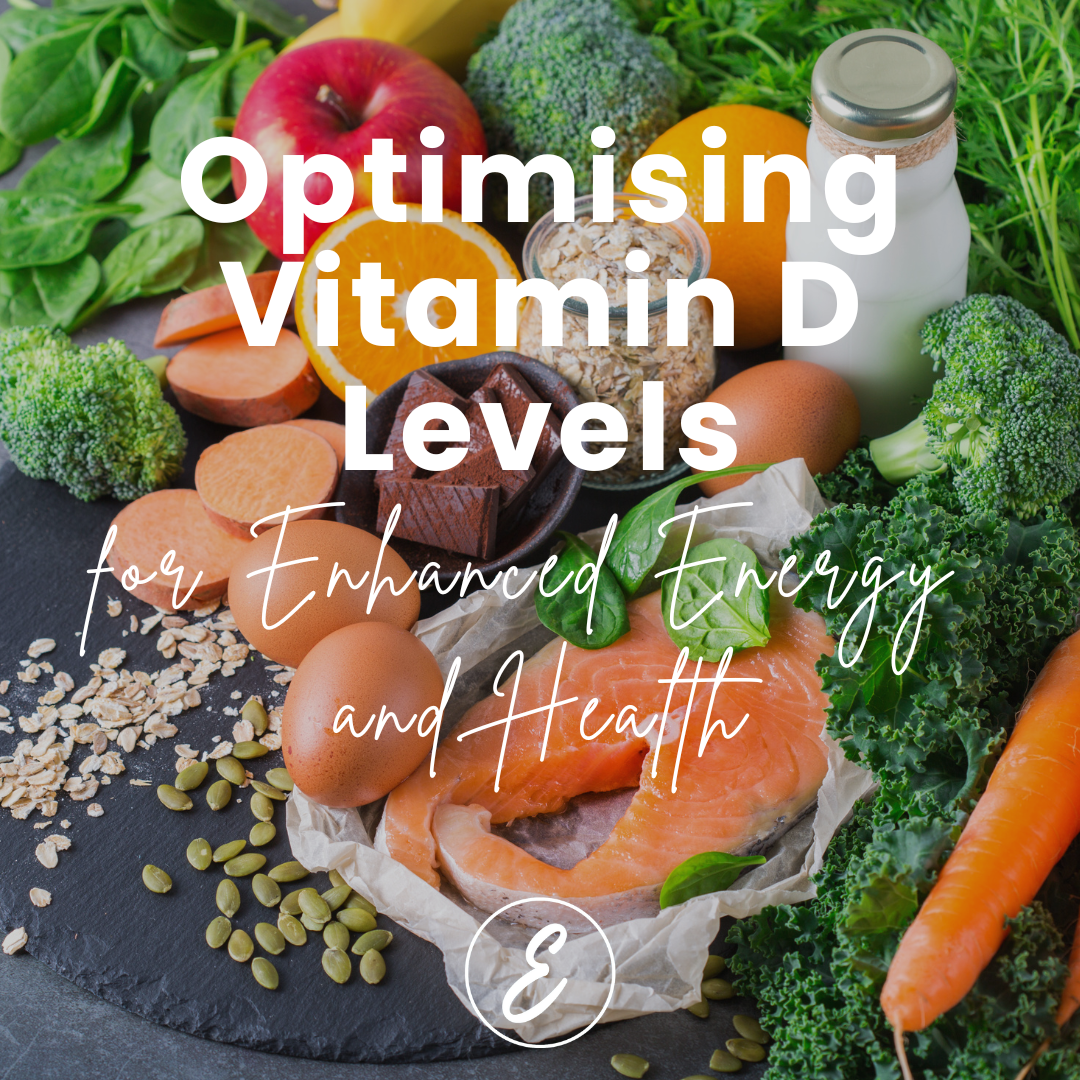
- Dietary Sources: Incorporating foods rich in Vitamin D into your diet is another effective way to boost levels. Oily fish such as salmon, sardines, and mackerel are excellent sources. Other options include fortified foods like some dairy products, orange juice, soya milk, and cereals. Egg yolks and beef liver also contain smaller amounts of Vitamin D.
- Supplements: For some, dietary intake and sunlight may not be enough, especially in countries with less year-round sunlight. In such cases, taking a Vitamin D supplement can be an effective way to ensure adequate levels. Vitamin D3 supplements are often recommended as they are the natural form of Vitamin D that your body makes from sunlight.
Monitoring and Testing
It’s advisable for anyone, particularly those over 40, to discuss Vitamin D levels with their healthcare provider. A simple blood test can determine whether you are deficient or if your efforts to increase Vitamin D are working. Your doctor can also recommend the right dosage of supplements if needed, tailored to your specific health needs and lifestyle factors.
Maintaining adequate Vitamin D levels is essential for older adults to preserve bone health, enhance energy levels, and support overall wellbeing. Through a combination of dietary sources, sensible sunlight exposure, and possibly supplementation, it’s possible to manage and optimise Vitamin D levels effectively. As always, personalised advice from a healthcare provider is recommended to ensure your approach is tailored to your individual health profile.