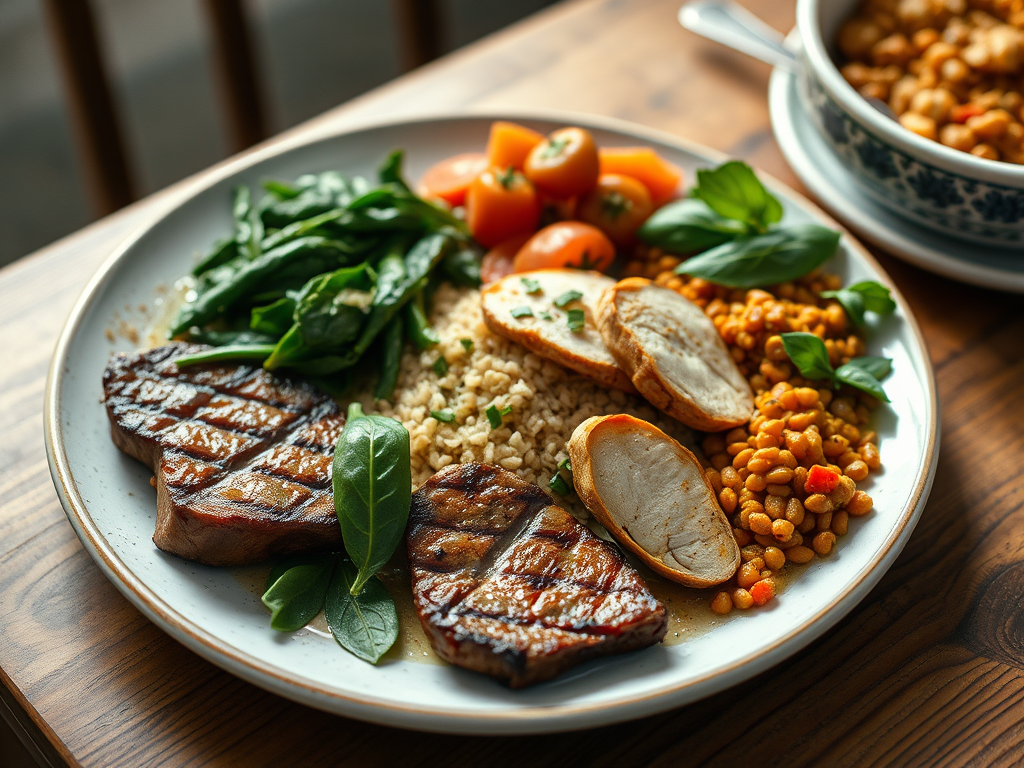
Iron is a vital mineral that plays a critical role in transporting oxygen throughout your body. When you’re low on iron, it can lead to fatigue, dizziness, and even anaemia. Fortunately, making smart dietary choices can help increase your iron levels naturally. Let’s explore the best foods and tips to follow for an iron-rich diet.
Types of Iron
There are two types of dietary iron:
- Heme iron: Found in animal products, it is more easily absorbed by the body.
- Non-heme iron: Found in plant-based foods, it is less easily absorbed, but still beneficial.
Key Foods for an Iron-Rich Diet
1. Red Meat
Red meat, especially beef and lamb, is one of the best sources of heme iron. Regular consumption of lean red meat can significantly boost your iron intake.
Recipe Idea: Grilled beef steak with a side of spinach and roasted sweet potatoes.
2. Chicken and Turkey
Poultry, particularly dark meat, is another good source of heme iron. Chicken liver is especially rich in iron.
Recipe Idea: Grilled chicken with a quinoa and vegetable salad.
3. Liver (Beef or Chicken)
Liver is one of the most iron-dense foods available. Just a small serving can provide a huge boost to your iron levels.
Recipe Idea: Beef liver pâté on wholegrain toast.
4. Fish and Shellfish
Seafood like clams, mussels, and sardines are excellent sources of heme iron. Oily fish, such as salmon and mackerel, also provide essential omega-3 fatty acids along with iron.
Recipe Idea: Sardine salad with leafy greens and a lemon vinaigrette.
5. Eggs
Eggs, particularly the yolk, contain some iron, and they can be a versatile addition to your diet.
Recipe Idea: Scrambled eggs with sautéed spinach and mushrooms.
6. Legumes
Beans, lentils, chickpeas, and peas are plant-based sources of non-heme iron. Although the iron in legumes isn’t as easily absorbed, they are still great additions to an iron-rich diet.
Recipe Idea: Lentil curry with brown rice and roasted vegetables.
7. Dark Leafy Greens
Spinach, kale, Swiss chard, and collard greens are excellent sources of non-heme iron. Spinach, in particular, is known for its high iron content.
Recipe Idea: Sautéed spinach with garlic, olive oil, and a squeeze of lemon.
8. Tofu and Tempeh
Soy products like tofu and tempeh are good sources of iron, making them ideal for vegetarians and vegans looking to increase their iron intake.
Recipe Idea: Stir-fried tofu with broccoli, peppers, and soy sauce.
9. Fortified Cereals and Grains
Many cereals and grains, such as oatmeal and quinoa, are fortified with iron. Always check labels to find iron-fortified varieties.
Recipe Idea: Quinoa bowl with roasted vegetables and tahini dressing.
10. Nuts and Seeds
Pumpkin seeds, sesame seeds, and almonds contain moderate amounts of non-heme iron and are excellent snacks to help increase your intake.
Recipe Idea: Sprinkle pumpkin seeds over a salad or add almond butter to smoothies.
Iron Absorption: Tips and Tricks
1. Pair Iron with Vitamin C
Vitamin C can enhance the absorption of non-heme iron. Pair iron-rich foods with Vitamin C-rich foods like citrus fruits, bell peppers, or strawberries for better absorption.
Example: Squeeze lemon juice over your sautéed spinach or enjoy a glass of orange juice with your iron-rich meal.
2. Avoid Iron Blockers
Certain substances can inhibit iron absorption, including calcium, tannins (found in tea and coffee), and phytates (found in whole grains and legumes). Try to avoid consuming tea, coffee, or calcium-rich foods (like dairy) with your main iron-rich meals.
3. Cook in Cast Iron Cookware
Cooking with cast iron pans can increase the iron content of your food, especially acidic dishes like tomato sauces.
Sample Iron-Boosting Meal Plan
Breakfast:
- Fortified oatmeal with almond butter and strawberries (Vitamin C)
Lunch:
- Grilled chicken salad with quinoa, spinach, and a lemon vinaigrette
Snack:
- Handful of pumpkin seeds and a piece of fruit
Dinner:
- Beef stir-fry with broccoli, red caosicum(Vitamin C), and brown rice
Dessert:
- Dark chocolate (a moderate source of iron)
To maintain healthy iron levels, it’s important to include a variety of iron-rich foods in your diet. Combining both heme and non-heme iron sources, along with strategies to enhance absorption, can ensure you’re meeting your body’s needs. For those with specific dietary needs, such as vegetarians, focusing on iron-boosting plant-based foods and pairing them with Vitamin C-rich items can make a big difference in overall iron absorption.
If you’re experiencing symptoms of iron deficiency, such as fatigue or weakness, it’s best to consult a healthcare professional who can recommend dietary changes or supplements tailored to your needs.