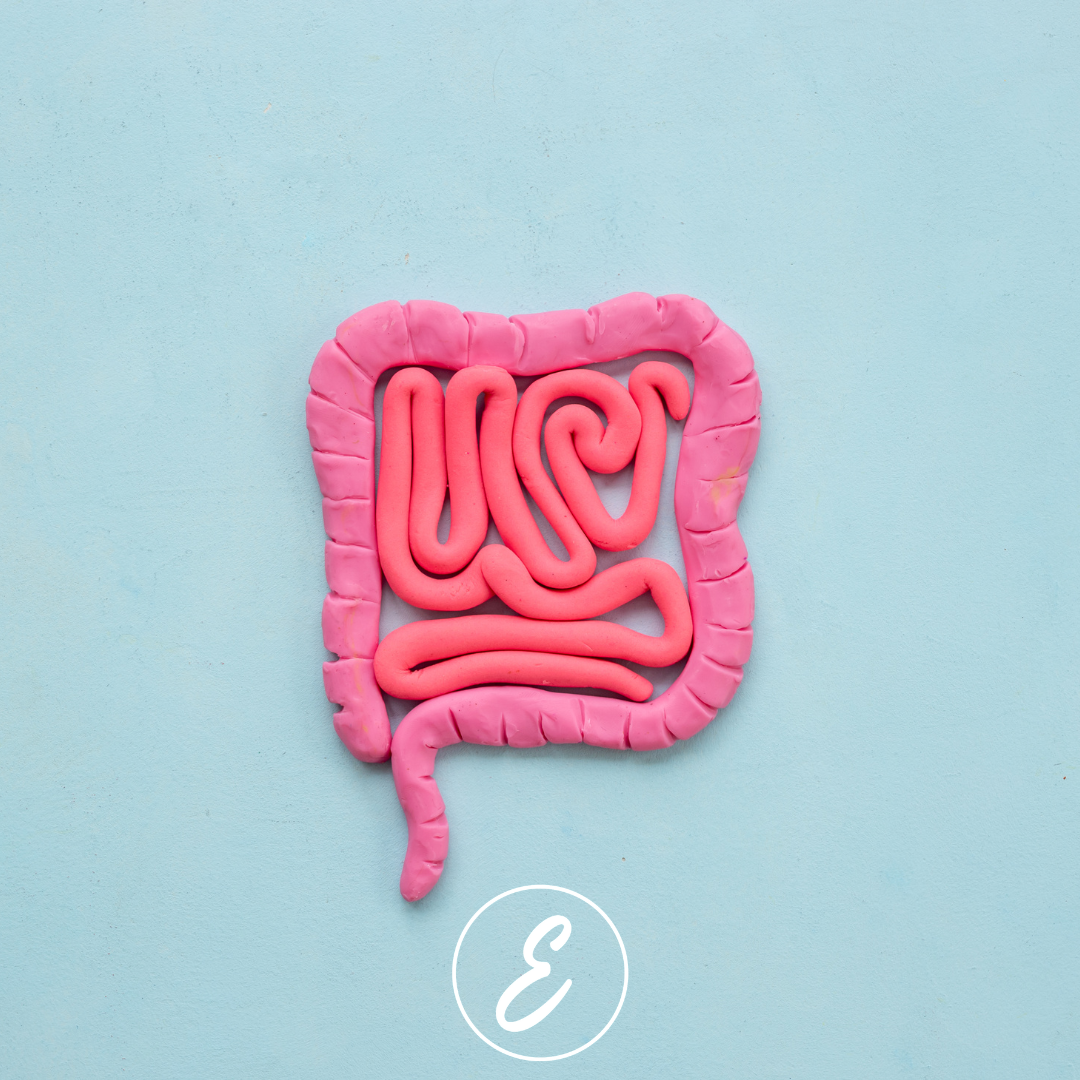
Gut health is a foundational aspect of overall wellbeing, but many adults overlook the early warning signs of gut issues, such as bloating, irregular bowel movements, or food intolerances. Ignoring these symptoms can have serious consequences that affect both physical and mental health. This article explores the potential long-term health implications of untreated gut issues in adults and highlights the importance of addressing them early.
1. Chronic Digestive Disorders
When gut health problems are left untreated, mild digestive symptoms such as gas, bloating, or occasional constipation can worsen into chronic conditions. One of the most common outcomes is the development of Irritable Bowel Syndrome (IBS), a disorder characterised by persistent abdominal pain, bloating, and altered bowel habits. Ignoring gut issues can also lead to Inflammatory Bowel Disease (IBD), including Crohn’s disease and ulcerative colitis, both of which involve inflammation of the gut lining and may require lifelong management.
In addition to causing discomfort and pain, these conditions can have a negative impact on quality of life, limiting food choices, social interactions, and even work productivity.
2. Nutrient Deficiencies
One of the most significant consequences of poor gut health is malabsorption of nutrients. A damaged gut lining, often caused by conditions like leaky gut syndrome or chronic inflammation, can impair the body’s ability to absorb vitamins and minerals from food. This can result in deficiencies of key nutrients such as iron, calcium, magnesium, and vitamin B12.
Over time, nutrient deficiencies can lead to fatigue, weak bones (due to calcium deficiency), and even anaemia (caused by iron deficiency). These deficiencies can become more serious if ignored, leading to chronic fatigue, poor immune function, and long-term health issues like osteoporosis and neurological problems.
3. Weakened Immune System
A healthy gut is integral to a well-functioning immune system. The gut microbiome, which consists of trillions of bacteria, helps regulate immune responses and protects against harmful pathogens. When the balance of good and bad bacteria is disrupted — a condition known as dysbiosis — it can lead to a weakened immune system. This makes adults more susceptible to infections, colds, and flu, as well as increasing the risk of developing autoimmune conditions, where the immune system attacks the body’s own tissues.
Over time, chronic gut imbalances can contribute to systemic inflammation, which is linked to a wide range of conditions, from allergies to chronic inflammatory diseases such as rheumatoid arthritis.
4. Mental Health Issues
The gut is often referred to as the “second brain” due to its close connection with the central nervous system via the gut-brain axis. This communication network means that gut health directly affects mental and emotional wellbeing. When gut health issues are ignored, adults may experience an increase in symptoms of anxiety, depression, and brain fog.
An imbalance in the gut microbiome can affect the production of neurotransmitters like serotonin, which regulates mood and sleep. Chronic gut issues may lead to poor mental health outcomes, including mood disorders and increased stress, contributing to a negative feedback loop that can worsen both gut and mental health.
5. Development of Food Intolerances
When gut health issues are left untreated, the gut lining may become damaged, leading to a condition known as leaky gut syndrome. This condition allows undigested food particles and toxins to pass through the intestinal wall and enter the bloodstream, triggering immune responses that lead to food intolerances.
Adults who ignore early signs of gut issues may find themselves developing intolerances or sensitivities to common foods like gluten, dairy, and certain fruits and vegetables. These intolerances can cause a wide range of symptoms, including bloating, cramps, and skin rashes, and may limit food choices and complicate meal planning in the long term.
6. Increased Risk of Chronic Diseases
Long-term gut health problems can significantly increase the risk of developing chronic diseases. Dysbiosis and chronic inflammation are linked to conditions such as obesity, type 2 diabetes, and cardiovascular disease. An unhealthy gut may also contribute to the development of metabolic syndrome, a cluster of conditions that increase the risk of heart disease, stroke, and diabetes.
Additionally, untreated gut issues may play a role in the development of certain cancers, particularly colon cancer, which is associated with chronic inflammation of the gut lining. Research also suggests that a poorly functioning gut microbiome may contribute to Alzheimer’s disease and other neurodegenerative conditions.
What Can Adults Do to Prevent Long-Term Gut Health Issues?
To avoid the long-term consequences of ignoring gut health issues, adults should take proactive steps to improve and maintain a healthy gut:
- Adopt a Gut-Friendly Diet: Focus on whole foods rich in fibre, including vegetables, fruits, whole grains, and legumes. Avoid processed foods, sugar, and artificial additives that can disrupt the gut microbiome.
- Incorporate Probiotics and Prebiotics: Probiotic-rich foods like yoghurt, kefir, and sauerkraut support the growth of beneficial bacteria, while prebiotics (found in foods like garlic, onions, and bananas) feed these bacteria, promoting a balanced microbiome.
- Manage Stress: Chronic stress can disrupt gut function, so it’s important to incorporate stress-reducing activities such as yoga, meditation, or regular physical exercise.
- Stay Hydrated: Adequate hydration is essential for maintaining healthy digestion and preventing constipation.
- Limit Antibiotic Use: While necessary for treating infections, antibiotics can harm beneficial gut bacteria. When antibiotics are needed, consider supplementing with probiotics to help restore the gut microbiome.
- Consult a Healthcare Provider: If gut health symptoms persist, seek medical advice to diagnose and treat underlying conditions like IBS, coeliac disease, or food intolerances.
Ignoring gut health issues as an adult can lead to a host of long-term problems, from chronic digestive disorders and nutrient deficiencies to mental health challenges and an increased risk of serious diseases. Addressing gut health early, through dietary changes, stress management, and lifestyle adjustments, is crucial for preventing these complications. By prioritising gut health, adults can support not only their digestive system but their overall physical and mental wellbeing.