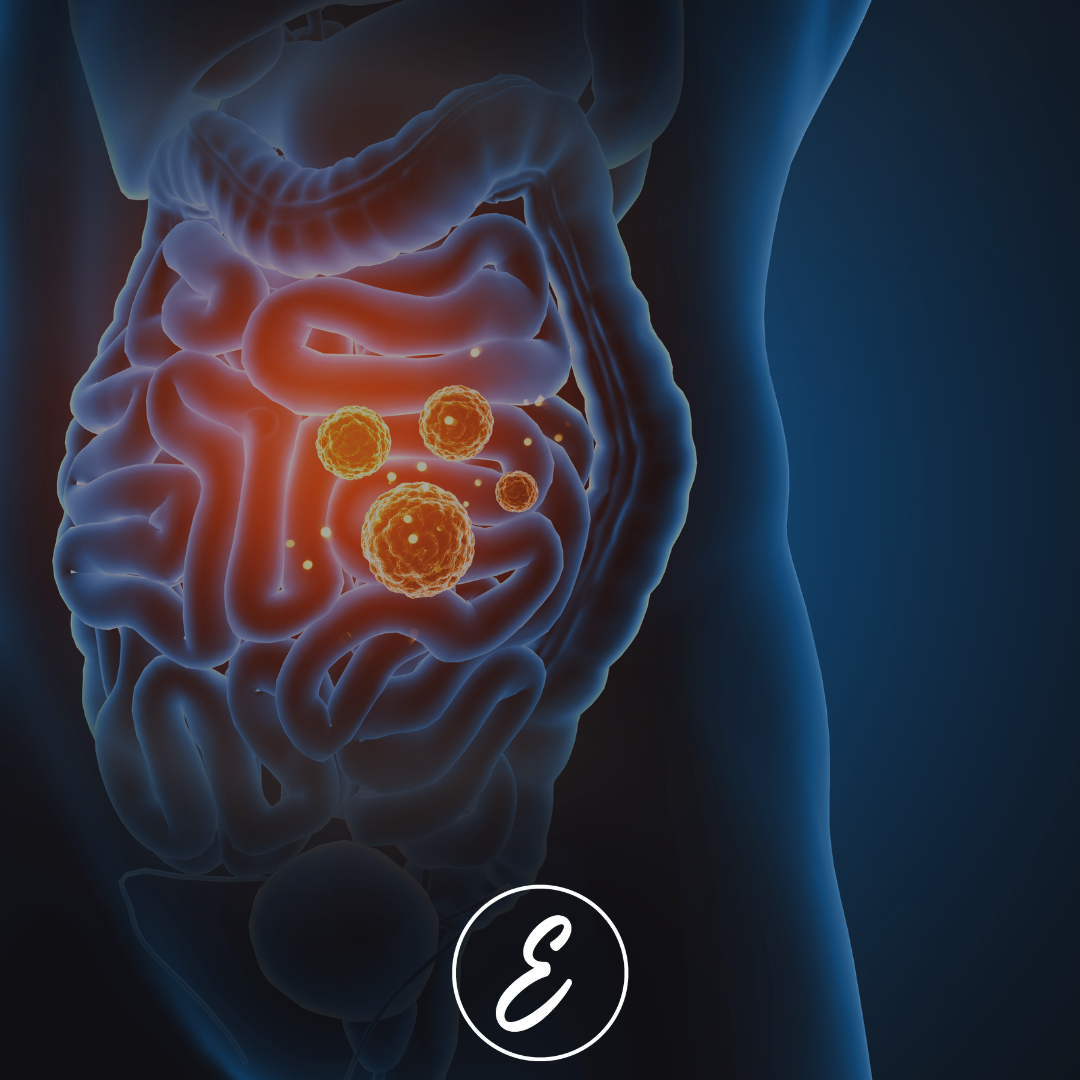
We often think of stress as something that affects our mood, sleep, and energy levels, but few people realise just how much it impacts digestion and gut health. The gut and brain are deeply connected through the gut-brain axis, meaning that high levels of stress don’t just affect your mind—they also disrupt digestion, metabolism, and overall gut function. If you’ve ever experienced bloating, constipation, or discomfort during periods of stress, your gut might be sending you a message.
The Gut-Brain Connection: Why Stress Impacts Digestion
Your gut is often referred to as your “second brain” because it houses millions of nerve cells and produces neurotransmitters that influence mood, digestion, and even immunity. The gut and brain communicate through the vagus nerve, meaning that stress signals from the brain can directly impact digestive function.
When you’re under chronic stress, your body enters “fight or flight” mode, prioritising survival over digestion. This means that blood flow to the digestive system is reduced, stomach acid production can slow down, and gut motility (the movement of food through your digestive tract) can become irregular. Over time, this can lead to issues such as:
- Bloating and gas – Stress can slow digestion, allowing food to sit in the stomach longer, leading to fermentation and bloating.
- Constipation or diarrhoea – Some people experience slower gut motility (constipation), while others have the opposite reaction (stress-induced diarrhoea).
- Increased gut sensitivity – Stress can heighten pain receptors in the gut, making minor digestive discomfort feel much worse.
- Changes in gut bacteria – Chronic stress can reduce the diversity of beneficial gut bacteria, leading to an imbalance that contributes to inflammation and food intolerances.
Signs That Stress Is Impacting Your Gut
If you’re experiencing ongoing digestive issues, it’s worth considering whether stress could be a contributing factor. Some key signs include:
- Frequent bloating, even after eating light meals
- Alternating between constipation and diarrhoea
- Stomach pain or cramping with no clear dietary trigger
- Feeling full or sluggish after eating
- Worsening of symptoms during busy or high-pressure periods
How to Manage Stress for Better Gut Health
While we can’t always eliminate stress from our lives, we can take steps to manage it in ways that support a healthy gut. Here are some simple yet effective strategies:
1. Prioritise Relaxation Techniques
Incorporating daily relaxation practices can help calm the nervous system and improve digestion. Try:
- Deep breathing exercises – Slow, deep breaths stimulate the vagus nerve and promote gut motility.
- Meditation or mindfulness – Just 10 minutes a day can help lower stress levels.
- Gentle movement – Activities like yoga, walking, or stretching can support digestion by reducing cortisol levels.
2. Eat Mindfully
Rushing through meals or eating when stressed can worsen digestive issues. Support your gut by:
- Sitting down to eat in a calm environment
- Chewing food thoroughly to reduce digestive strain
- Avoiding screens or work while eating to focus on your meal
3. Support Gut Health with Whole Foods
A well-nourished gut is more resilient to stress. Incorporate:
- Probiotic-rich foods – Yogurt, kefir, sauerkraut, and kimchi help maintain a balanced gut microbiome.
- Prebiotic foods – Garlic, onions, leeks, and bananas feed beneficial gut bacteria.
- Anti-inflammatory foods – Omega-3 fatty acids (found in salmon, flaxseeds, and walnuts) help counteract stress-related inflammation.
4. Reduce Stimulants That Worsen Stress
Caffeine, alcohol, and processed foods can add extra strain to the gut during stressful periods. Reducing intake, especially in the evening, can help digestion and sleep quality.
5. Get Enough Sleep
Poor sleep disrupts gut health and increases stress. Aim for 7-9 hours of quality sleep by establishing a calming bedtime routine and reducing screen time before bed.
Final Thoughts
Chronic stress is one of the most overlooked causes of digestive discomfort, but by recognising the gut-brain connection, you can take proactive steps to support both mental well-being and digestion. Small changes—like slowing down at mealtimes, practising deep breathing, and nourishing your gut with the right foods—can help break the cycle of stress-related gut issues and restore balance to your body. Instead of just treating symptoms, addressing stress as part of your gut health journey will create lasting improvements in how you feel every day.
Would you like to learn more about natural ways to improve digestion and overall well-being? Explore more gut-friendly strategies on our website!