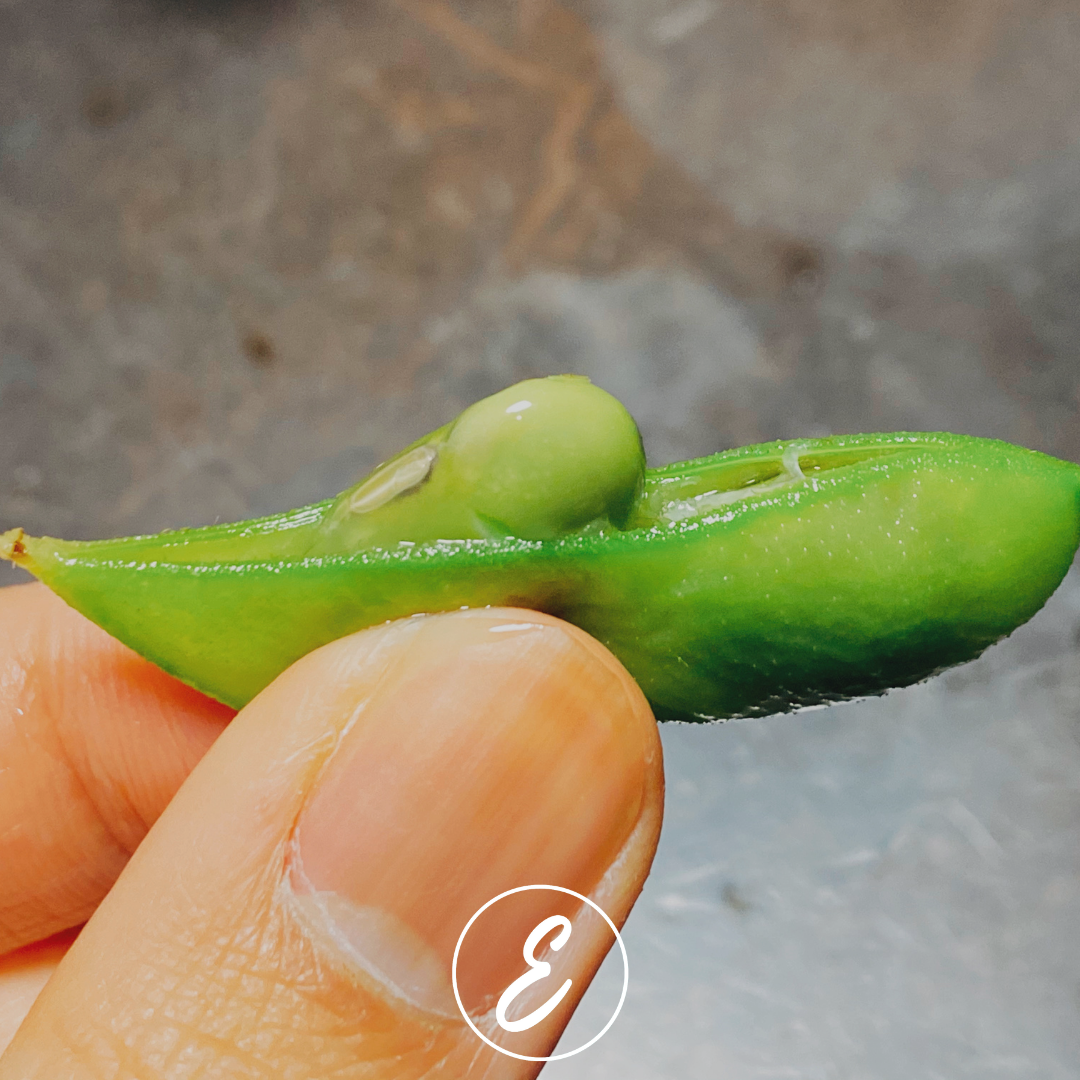
Edamame beans, young soybeans harvested before they fully mature, are a nutritional powerhouse that can easily be incorporated into a variety of meals. With their slightly sweet, nutty flavour and vibrant green hue, these beans are not only delicious but also incredibly versatile. Whether you’re looking to add more plant-based protein to your diet or simply enjoy a nutritious snack, edamame beans are a fantastic choice.
Nutritional Benefits of Edamame Beans
Edamame beans are packed with key nutrients that make them a valuable addition to any diet:
- High in Protein: Edamame is one of the best plant-based protein sources, making it an excellent option for vegetarians and vegans. A one-cup serving of cooked edamame provides about 18 grams of protein, which is comparable to animal-based proteins.
- Rich in Fibre: Fibre plays a crucial role in digestive health, and edamame beans are a good source of dietary fibre. One serving provides around 8 grams of fibre, promoting gut health, reducing constipation, and contributing to feelings of fullness.
- Good Source of Vitamins and Minerals: Edamame beans are rich in several vitamins and minerals, including:
- Vitamin K: Essential for blood clotting and bone health.
- Folate: Crucial for cell growth and especially important during pregnancy.
- Iron: Edamame provides plant-based iron, which supports healthy blood and energy levels.
- Magnesium: Beneficial for muscle and nerve function.
- Heart-Healthy Fats: These beans contain omega-3 fatty acids, which are beneficial for heart health and may help lower bad cholesterol levels.
- Antioxidants: Edamame contains antioxidants such as isoflavones, which have been linked to a reduced risk of certain cancers and improved heart health.
How to Incorporate Edamame into Everyday Meals
Edamame beans are incredibly versatile and can be added to a range of dishes, from salads to soups and snacks. Here are some easy ways to include them in your meals:
1. Green Salad with Edamame
Adding edamame to a green salad is an easy way to boost both protein and flavour. The beans provide a slightly sweet, nutty element that pairs beautifully with fresh greens, such as spinach, rocket, or kale.
Recipe Suggestion:
- Mixed salad greens (spinach, rocket, lettuce)
- Shelled edamame (blanched or cooked)
- Sliced cucumber
- Avocado slices
- Cherry tomatoes
- Light lemon-olive oil dressing
Why It Works: Edamame adds texture and a nutritional boost to your salad. It complements the crisp vegetables and creamy avocado while ensuring you get a dose of plant-based protein.
2. Edamame Buddha Bowl
Buddha bowls are known for their balanced blend of grains, vegetables, and proteins, making them an excellent vehicle for adding edamame beans. Their mild taste fits right in with an array of roasted vegetables and hearty grains.
Recipe Suggestion:
- Cooked quinoa or brown rice
- Roasted sweet potatoes or butternut squash
- Blanched edamame
- Sliced avocado
- Baby spinach or kale
- Drizzle with a tahini-lemon dressing
Why It Works: The nutty flavour of edamame complements the earthy grains and roasted vegetables in this Buddha bowl. It adds a high-quality protein that makes the meal more satisfying and nourishing.
3. Stir-Fried Edamame with Vegetables
For a quick and easy meal, stir-fry edamame beans with your favourite vegetables. This is a simple way to add a nutritious boost to your meal without compromising on taste.
Recipe Suggestion:
- Fresh or frozen shelled edamame
- Carrots, bell peppers, and broccoli florets
- Soy sauce or tamari (for gluten-free)
- Sesame oil and ginger
- Topped with sesame seeds
Why It Works: Edamame beans hold up well in stir-fries, adding a nice bite and heartiness. They soak up the umami flavours of soy sauce and sesame oil while contributing fibre and protein.
4. Edamame Hummus
For a creative twist on traditional hummus, try using edamame instead of chickpeas. This dip is light, fresh, and full of nutrients, making it perfect for snacking with veggie sticks or spreading on toast.
Recipe Suggestion:
- Shelled edamame
- Garlic
- Lemon juice
- Olive oil
- Tahini
Why It Works: The creamy texture of edamame makes it a perfect base for hummus. It’s a protein-rich snack or side dish that adds variety to your repertoire of dips.
5. Edamame and Noodle Salad
For a light, Asian-inspired meal, toss edamame beans with noodles and fresh vegetables for a vibrant and refreshing salad.
Recipe Suggestion:
- Cooked soba noodles or rice noodles
- Shelled edamame
- Shredded carrots, cucumber, and spring onions
- Sesame dressing (sesame oil, soy sauce, rice vinegar, honey)
- Garnish with sesame seeds and fresh coriander
Why It Works: The edamame adds a protein-rich component to the noodles, making this dish not only filling but also packed with flavour. The sesame dressing complements the nutty edamame, and the fresh vegetables add a nice crunch.
Edamame beans are a nutritional powerhouse that can be easily added to your daily meals. Their high protein content, rich supply of vitamins and minerals, and fibre make them a perfect ingredient for healthy, balanced meals. Whether you’re tossing them into a salad, blending them into a dip, or adding them to your Buddha bowl, edamame is a simple yet effective way to boost your nutritional intake while adding delicious flavour and texture to your dishes.