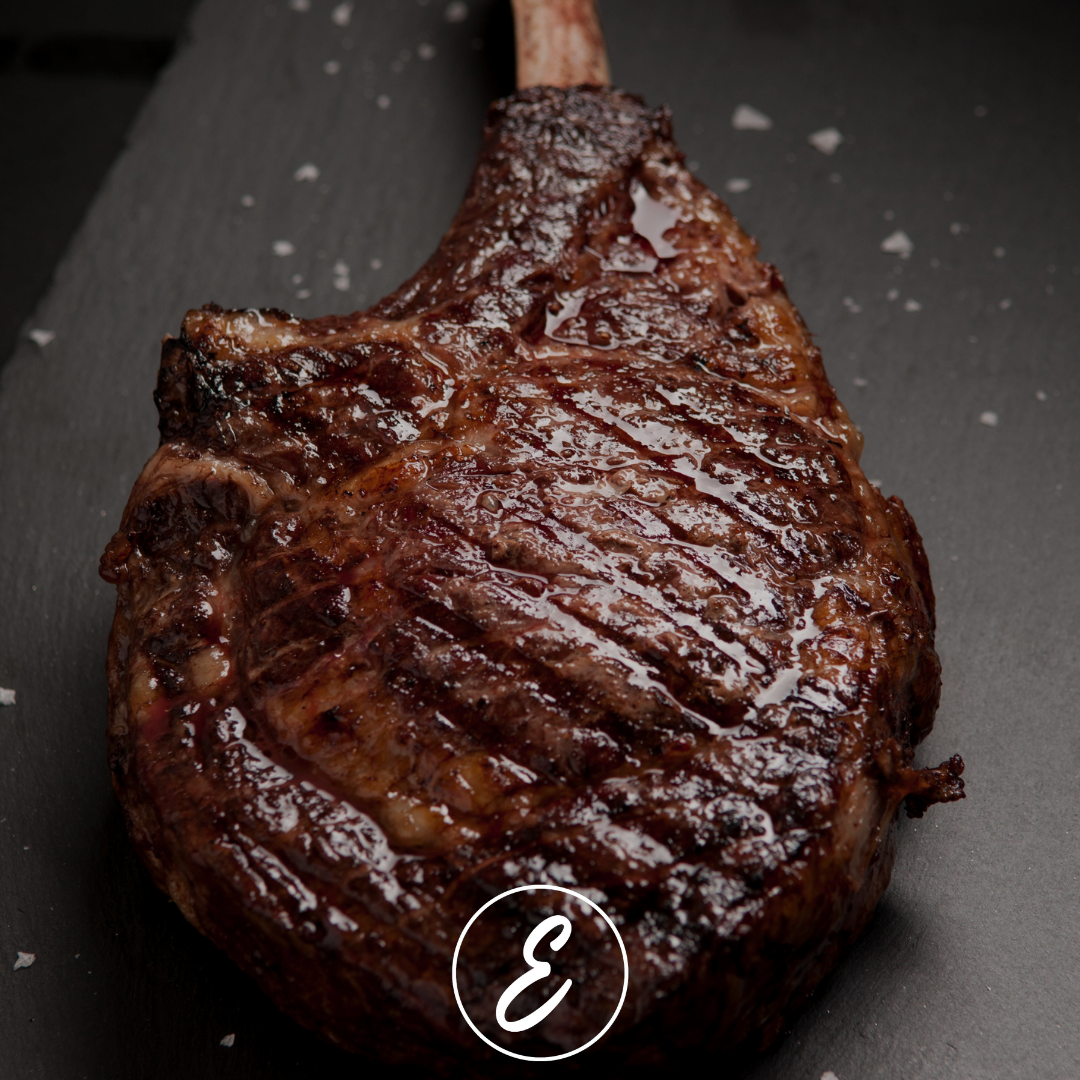
The idea of following a “caveman” or Paleolithic diet has grown in popularity, with proponents arguing that returning to the eating habits of our ancient ancestors can resolve modern health issues. Some versions even suggest avoiding seeds and what they term “excessive” vegetables, based on the premise that early humans didn’t consume these in abundance. But is there any truth to these claims? Let’s explore the evidence.
The Premise of the Caveman Diet
The caveman diet is based on the idea that our bodies are genetically adapted to the foods available to our Paleolithic ancestors—foods that were whole, unprocessed, and free from modern additives. The focus is on:
- Lean Proteins: Wild game, fish, and eggs.
- Fruits and Vegetables: Generally those that could be foraged.
- Nuts and Seeds: In some interpretations, these are limited or avoided.
- Exclusion of Grains, Legumes, and Dairy: Foods that only became common after the advent of agriculture.
The rationale is that many chronic diseases today—such as obesity, diabetes, and heart disease—stem from consuming foods that our bodies aren’t designed to process.
Questioning the “No Seeds or Excessive Vegetables” Approach
1. Seeds: Nutrient Powerhouses or Problematic Foods?
Some strict interpretations of the caveman diet argue that seeds are modern inventions that our ancestors didn’t consume in significant amounts. However, research and anthropological evidence suggest that:
- Nutrient Density: Many seeds (such as flax, chia, pumpkin, and sunflower) are rich in essential fatty acids, protein, fibre, vitamins, and minerals.
- Traditional Consumption: Various indigenous cultures have consumed seeds for millennia. Although the varieties may differ from today’s commercial seeds, they were still an integral part of the diet.
- Health Benefits: Seeds have been linked to reduced inflammation and improved heart health, and they help regulate digestion.
Rather than being inherently “bad”, seeds can be an important component of a balanced, nutrient-dense diet.
2. Vegetables: How Much Is “Excessive”?
The term “excessive vegetables” is more subjective than scientific. Critics of high-vegetable consumption in some caveman diet circles suggest that modern vegetables, or the quantities in which we consume them, are far removed from what our ancestors ate. However:
- Historical Variety: Paleolithic diets varied greatly by region and season. In many cases, wild vegetables and fruits were abundant and consumed in significant amounts.
- Modern Benefits: Vegetables are packed with vitamins, minerals, antioxidants, and fibre—all essential for maintaining a healthy gut and reducing the risk of chronic diseases.
- Adaptability: Our digestive systems are remarkably adaptable. A diet rich in a variety of vegetables supports beneficial gut bacteria and overall health.
Rather than being “excessive”, a diverse array of vegetables typically supports optimal nutrition.
What Does the Evidence Suggest?
Whole Foods Over Processed Foods:
One of the undeniable benefits of the caveman diet is its emphasis on whole, unprocessed foods. Whether or not you choose to limit seeds or certain vegetables, eliminating refined sugars, processed grains, and additives is a proven way to improve health.
Balanced Diet Is Key:
Modern nutrition science supports a balanced diet that includes:
- Proteins: From lean meats, fish, and plant-based sources.
- Healthy Fats: Including those found in nuts, seeds, and avocados.
- Carbohydrates: Primarily from fruits, vegetables, and whole grains.
- Micronutrients: Abundant in a wide variety of plant foods.
This balance ensures that you receive the nutrients necessary for immune function, hormone balance, and gut health.
Personalisation Matters:
Individual dietary needs can vary. Some people may thrive on a diet that limits certain food groups, while others may benefit from a broader variety of foods. The key is to monitor how your body responds and adjust accordingly—ideally with guidance from a nutrition professional.
Final Thoughts
While the caveman diet’s emphasis on whole, unprocessed foods is a step in the right direction for many, the idea that you must strictly avoid seeds or what some call “excessive vegetables” is not strongly supported by scientific evidence. Seeds provide essential nutrients, and a diverse vegetable intake is linked to better health outcomes.
Ultimately, a sustainable, balanced approach—one that focuses on nutrient density, variety, and the minimisation of processed foods—is likely to yield the best long-term benefits. Whether you choose to follow a strict interpretation of the caveman diet or adapt its principles to suit modern nutritional science, remember that listening to your body and personalising your diet is key to achieving optimal health.
What are your thoughts on the caveman diet? Have you experimented with eliminating certain food groups, or do you prefer a more inclusive approach? Share your experiences and join the conversation about healthy, balanced eating!