You’ve filled your trolley with colourful veggies, chosen wholegrains, and swapped processed snacks for real food. But did you know how you cook those foods plays a huge role in how nutritious they are?
Cooking isn’t just about making food taste good – it can either preserve or reduce the nutrients your body gets from a meal. Let’s break it down.
🥦 Don’t Boil the Goodness Away
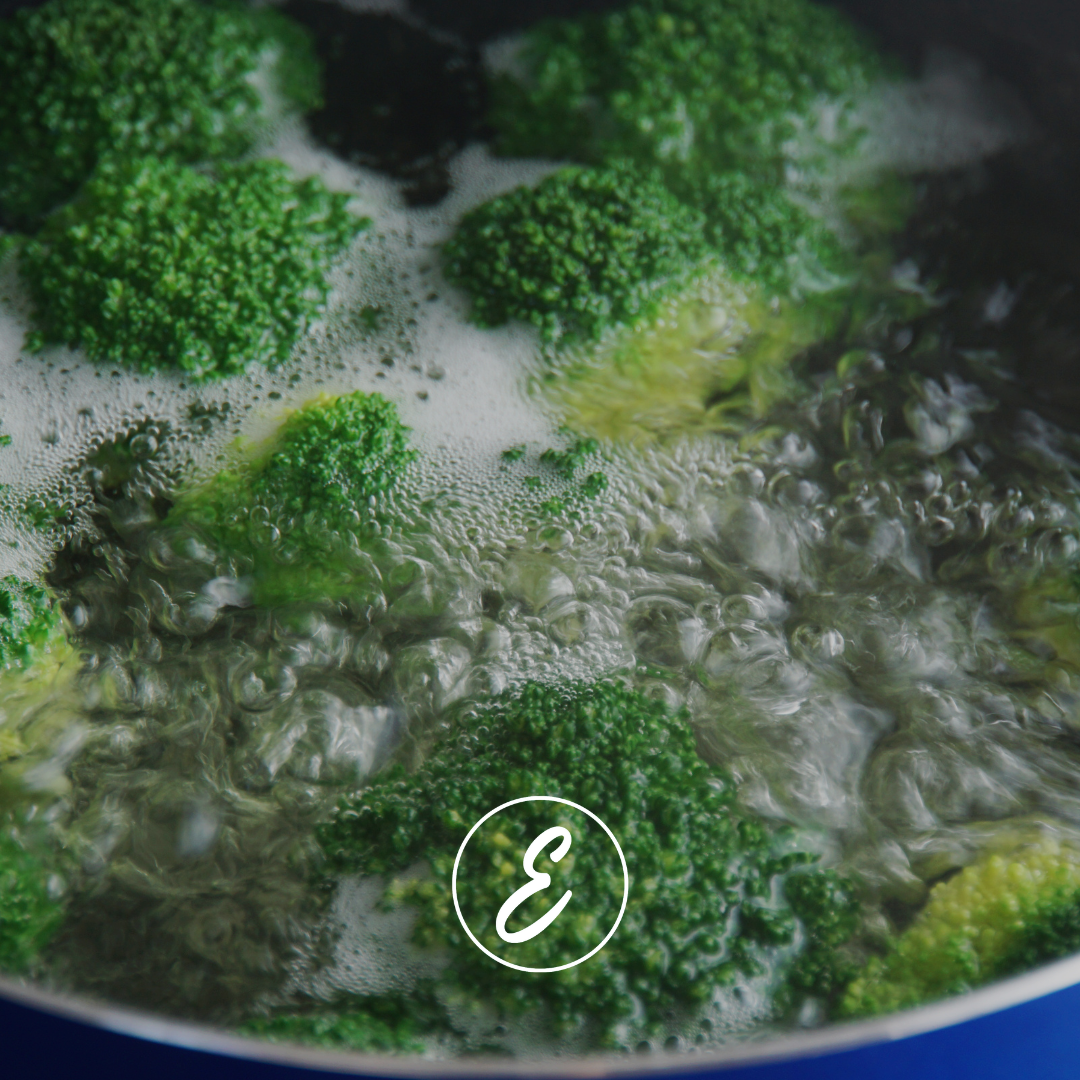
Ever boiled broccoli until the water turns green and the florets have gone limp? That green water is full of the vitamins you’ve just lost.
Overcooking – especially by boiling – can strip vegetables of key nutrients like vitamin C, folate, and antioxidants. Water-soluble vitamins literally leak out into the water, which we usually pour down the sink.
✅ Better methods:
- Light steaming (brightens colour and preserves nutrients)
- Sautéing with a little olive oil
- Roasting (adds flavour and keeps most nutrients intact)
- Stir-frying quickly on high heat
💡 Tip: If you do boil vegetables, use the cooking water in soups or sauces so you keep some of those lost nutrients.
🫕 Don’t Overdo It with High Heat
High-heat cooking methods like deep-frying or even grilling can lead to the formation of compounds that are harmful in excess (like acrylamides and AGEs – advanced glycation end products). These can contribute to inflammation in the body.
✅ Use gentler methods more often – baking, slow cooking, or air frying in moderation.
🍟 Is an Air Fryer Really Healthy?
Air fryers have become a kitchen favourite – and for good reason. They create that crispy texture we love with significantly less oil than deep frying.
But there are a few things to watch:
- Don’t over-spray with oil. A few pumps too many, and you’ve added more fat than you realise.
- Avoid cooking highly processed foods just because the method is healthier – chips and frozen snacks are still low in nutrients.
- Watch temperature and time – overcooking at very high temps can dry out your food and reduce nutrient content.
✅ Use your air fryer to crisp up roast veggies, cook lean proteins, or reheat leftovers with better texture.
🍳 Does Cooking Reduce Nutrients in All Veg?
Not always! Some nutrients are actually easier to absorb when veggies are lightly cooked. For example:
- Tomatoes: Cooking increases lycopene availability (great for heart health)
- Carrots: Light cooking can increase beta-carotene absorption
- Spinach: Cooking reduces oxalates, making iron and calcium more available
🥕 It’s About Balance
You don’t need to eat everything raw, and you don’t need to stress over every bite. But being mindful of your cooking methods means you’re getting more out of the good food you already eat.
Quick tips to retain more nutrition:
- Don’t overcook – veggies should be tender but still vibrant
- Use less water when boiling
- Save cooking water for soups or sauces
- Don’t rely only on high-heat methods
- Use oils mindfully, even in air fryers
The bottom line? Healthy eating isn’t just what you eat – it’s how you prepare it. Cook smart, eat well, and your body will thank you.