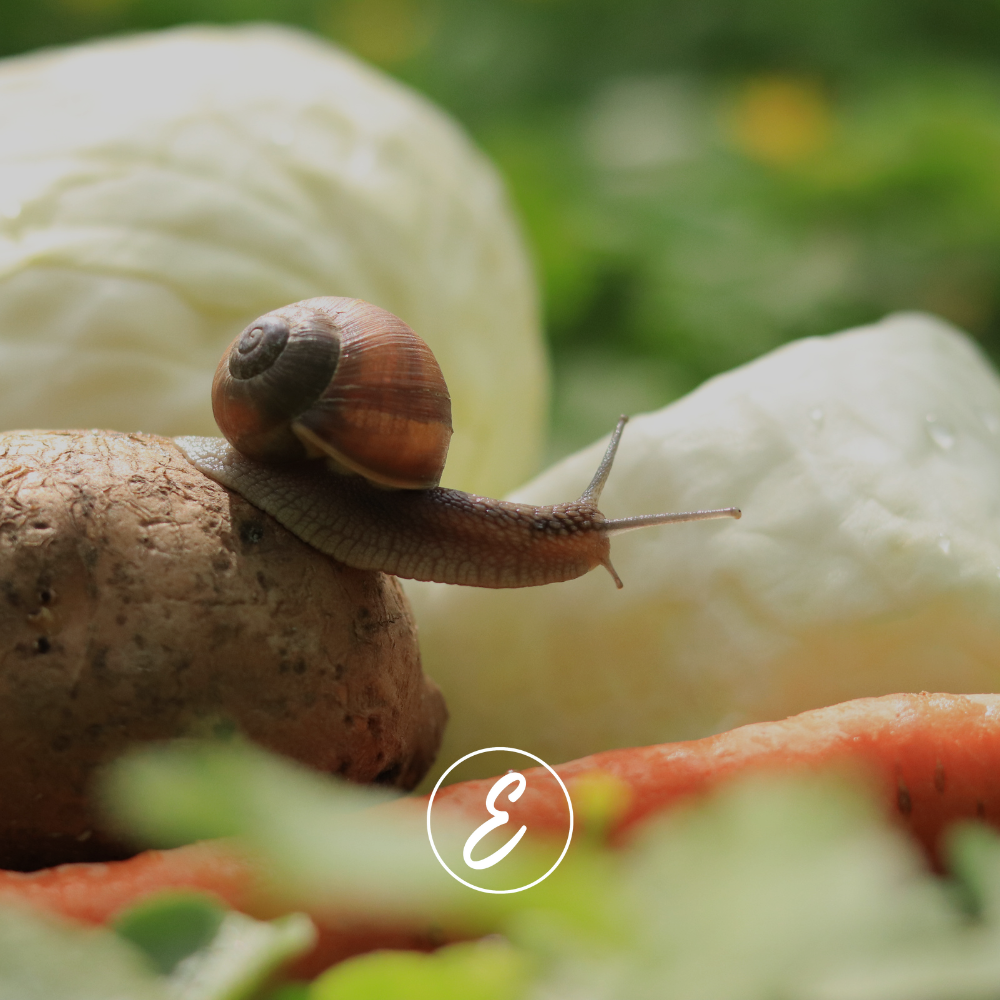
We love our gardens. The sun, the soil, the satisfaction of homegrown produce. But just when your lettuces are thriving and your beans are ready to climb — something small, slimy or six-legged shows up for a free lunch.
And no, we’re not talking about your toddler sneaking cherry tomatoes (although technically also a pest).
Let’s talk real garden intruders — snails, caterpillars, aphids, rabbits and their pesky plant-munching friends — and how to keep them out, naturally and effectively.
1. Snails & Slugs: The Midnight Munchers
These guys love moisture and leafy greens and will nibble through your basil and spinach faster than you can say “garlic butter.”
How to control them:
- Beer traps: Sink a small container into the soil and fill it with beer — slugs and snails are drawn in and won’t come back out.
- Crushed eggshells or coffee grounds: These form a rough barrier that’s uncomfortable to cross.
- Copper tape: A nifty option around raised beds or pots — they get a harmless zap and retreat.
Mrs E tip: Snail hunting with a torch after dark is oddly therapeutic (and toddlers think it’s a nighttime adventure).
2. Caterpillars: Cute, But Cruel to Cabbages
They may become butterflies, but in the meantime, they’re chewing holes through your kale and brassicas like they own the place.
How to control them:
- Hand pick: Yes, it’s old-school. Yes, it works.
- Netting: Use fine mesh or insect netting to keep the butterflies from laying eggs in the first place.
- Companion planting: Try dill, nasturtiums, or marigolds nearby to confuse and deter.
Mrs E tip: Turn it into a toddler science lesson — “find the wriggly ones” can keep little hands busy while you check for eggs.
3. Aphids: The Tiny Sap-Sucking Army
Aphids multiply like no one’s business and love to cluster on new growth — stunting your plants and making everything a bit sticky and sad.
How to control them:
- Spray with soapy water: A simple mix of water and a drop of dish soap works wonders.
- Encourage ladybirds: They’re natural aphid hunters. You can even buy them online!
- Blast with the hose: A gentle jet knocks them off the plant, and most won’t climb back.
Mrs E tip: Keep your garden well-fed and watered — stressed plants are more vulnerable to aphids.
4. Rabbits: Cute but Catastrophic
They may look charming hopping about, but when they start munching through your young seedlings, it’s game over.
How to control them:
- Fencing: A low, secure fence (preferably buried slightly below ground) is your best bet.
- Scents they dislike: Sprinkle blood and bone meal or garlic spray around affected areas.
- Decoys or distractions: Try growing clover or another sacrificial plant nearby to draw them away.
Mrs E tip: If you’re in a rabbit-prone area, plant a few quick-growing extras — and keep toddler-height fencing rabbit-proof too.
Natural Prevention: A Garden’s Best Defence
- Rotate crops each season to reduce pest build-up.
- Keep your garden tidy — remove weeds, fallen fruit, and plant debris where pests hide and breed.
- Use mulch to deter insects and regulate soil moisture.
- Grow pest-repelling plants like rosemary, sage, basil, or lavender — beautiful and functional.
Final Thoughts from the Garden Bed
Gardening isn’t just planting and harvesting — it’s a bit of detective work too. But with a few tricks (and a few squashed aphids), you can keep your kitchen garden thriving without harsh chemicals or giving up your hard-earned greens.
And while toddlers may pull up your seedlings occasionally, they’re at least not eating your lettuces by the root.
(Though the same can’t be said for the snails.)