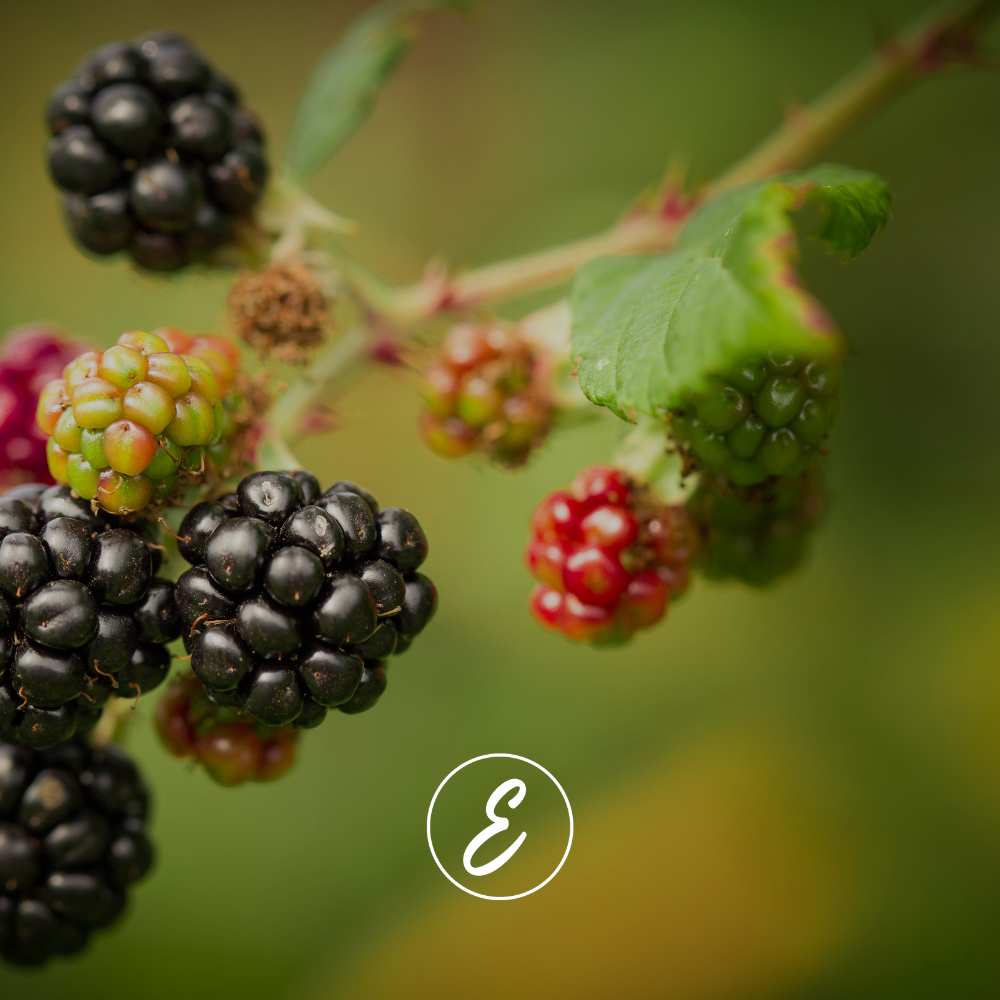
There’s something magical about picking a sun-warmed berry straight from your garden. But before those plump raspberries or juicy blueberries burst into summer colour, a bit of winter prep goes a long way. Whether you’ve got a tangle of canes or a few tidy rows, now is the time to get your berry patch in order.
Here’s how to prune, prepare, and protect your berry bushes for a fruitful season ahead.
Why Prune Berries?
Pruning isn’t just about tidiness. It helps:
- Increase airflow and reduce disease
- Encourage stronger fruiting canes
- Improve fruit size and sweetness
- Prevent your patch from becoming a bramble jungle
Best Time to Prune Berries
Timing varies slightly depending on the variety, but in most cooler climates (like the Southern Highlands), late autumn to mid-winter is ideal — once leaves have dropped and the plants are dormant, but before the sap starts rising again in early spring.
How to Prune and Prepare Each Type
Raspberries
Summer-fruiting raspberries fruit on second-year canes. After fruiting:
- Remove old, brown canes at the base — these have finished their job.
- Keep the fresh green canes (this year’s growth), as these will fruit next summer.
- Thin to about 6–8 healthy canes per metre.
Autumn-fruiting raspberries fruit on first-year growth:
- Simply cut all canes down to the ground in winter. New growth in spring will produce fruit later in the year.
Tip: Mulch with compost and a layer of straw after pruning to suppress weeds and retain moisture.
Blackberries (and thornless hybrids like Boysenberries)
- Cut out all canes that fruited this past season (usually brown and woody).
- Tie up new canes to your trellis or wires, spacing them out for good airflow.
- Trim the tips of long canes to around 1.5–2 metres to encourage side shoots (which will bear next year’s fruit).
Blueberries
Blueberries are slower growers and need lighter pruning:
- In their first couple of years, just remove dead or damaged wood.
- Once established, thin out crowded branches and remove any low or inward-growing shoots.
- Keep an open vase shape to let light in and encourage berry production.
Bonus: Blueberries love acidic soil — top up with pine needles, peat, or an acid-loving compost blend.
Other Tips to Prepare Your Berry Patch
- Weed thoroughly before mulching — berry roots don’t like competition.
- Netting check: Repair or replace bird netting in early spring before fruit forms.
- Feed the soil: Add compost, worm castings, or well-rotted manure (especially for raspberries and blackberries).
- Label your canes: If you have multiple varieties, winter is a great time to tag them for easy care next season.
What to Do With the Cuttings?
Don’t waste those healthy trimmings! Some berries, especially raspberries and blackberries, can be propagated from cane cuttings:
- Cut 15–20cm sections from healthy canes
- Stick into damp soil or pots and keep moist
- Plant out in late spring if they root well
In Summary
Your berry patch needs a little love before the coldest days hit. Prune, mulch, and tidy now, and you’ll be rewarded with vigorous growth and a bumper harvest come summer.
Your future self — with sticky berry-stained fingers — will thank you.