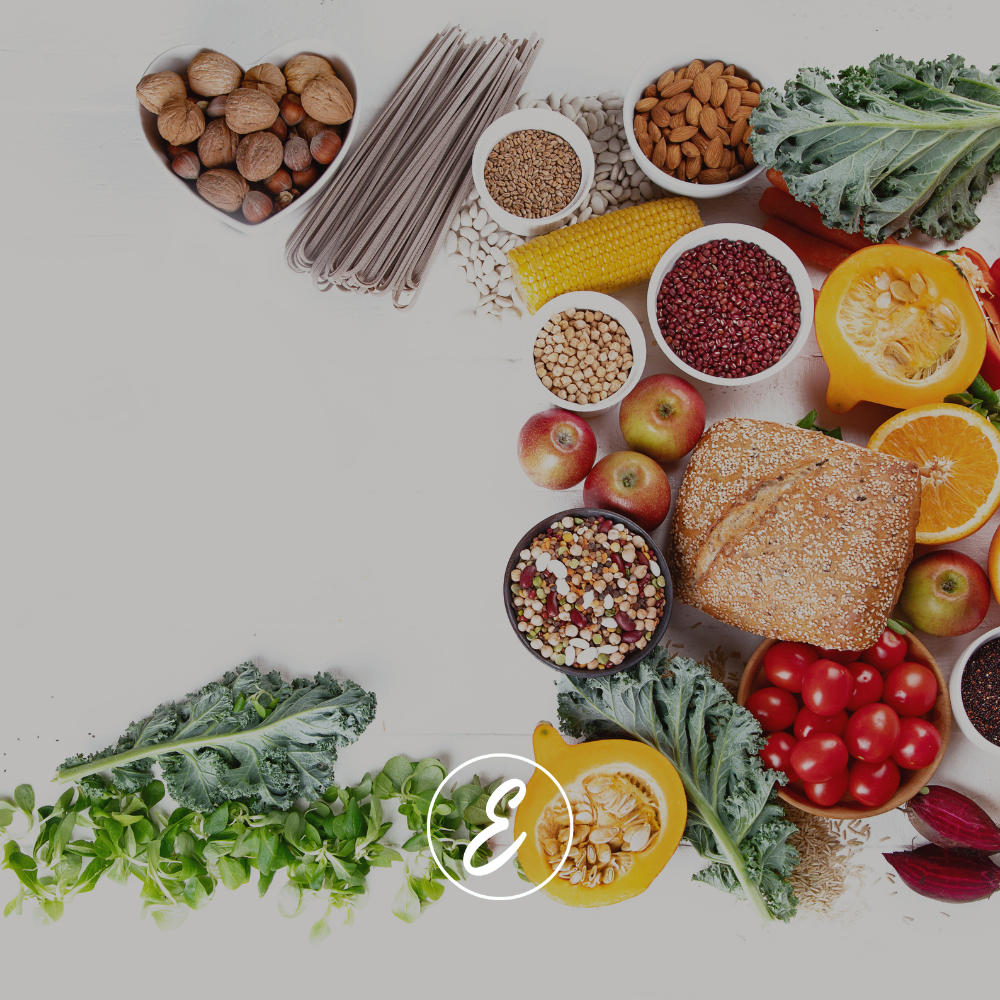
Gut Check Tuesday – Part 3 of recognition → understanding → repair.
So you’ve spent time repairing your gut — cutting back on irritants, adding bone broth, fermented foods, and focusing on gentle nutrition. Your digestion feels calmer, energy’s back, and you’re wondering… can I eat normally again?
Yes — but the key is how you reintroduce foods.
A healed gut needs a gentle, mindful approach so you don’t undo your progress or overwhelm your system.
🧠 Step 1: Understand What’s Changed
When your gut lining heals, it becomes stronger and more selective — meaning it can now handle foods that previously caused issues. But your digestive enzymes and bacteria still need time to readjust.
Think of it like rehabbing an injury: you wouldn’t go from rest to running a marathon overnight.
🥣 Step 2: Reintroduce One Food at a Time
Start slow. Pick one food or food group to test every 3–4 days.
Examples:
- If you removed gluten, start with sourdough or a small amount of wholegrain pasta.
- For dairy, try plain yoghurt or hard cheese before milk or cream.
- For beans or legumes, start with lentils or chickpeas in small servings.
Watch how your body feels for 48–72 hours.
Note any changes in bloating, skin, energy, or mood.
🌿 Step 3: Focus on Real, Minimal-Ingredient Foods
Skip ultra-processed “trigger” foods like white bread or sugary desserts when reintroducing.
Instead, test your tolerance with real versions — foods your body recognises and can digest with less effort.
- Homemade sauces over bottled ones
- Fermented dairy (like yoghurt or kefir) over milkshakes
- Simple sourdough or oats instead of pastries
The cleaner the test food, the clearer the result.
💧 Step 4: Support Digestion Along the Way
As you reintroduce foods, keep your gut strong with:
- Bone broth – rich in collagen and amino acids that support the gut lining
- Fermented foods – kefir, sauerkraut, or kimchi add friendly bacteria
- Fibre – oats, vegetables, and flaxseeds help feed good gut bugs
- Hydration – aim for 2L water a day to keep digestion moving smoothly
⚖️ Step 5: Don’t Panic at Mild Reactions
A little bloating or gurgling doesn’t mean you’ve failed — it’s just your gut recalibrating.
If a food causes discomfort, pull back and give it another week before trying again.
Gut repair isn’t linear — it’s a process of listening and adjusting.
🌸 Step 6: Rebuild Variety Slowly
A healthy gut thrives on diversity.
Once your system is steady again, gradually expand your meals to include:
- Different grains (rice, quinoa, barley)
- A mix of plant and animal proteins
- A rainbow of fruits and vegetables
Each colour and texture adds new prebiotics, vitamins, and bacteria that strengthen your microbiome long term.
✨ Final Thought
Gut repair isn’t about restriction — it’s about reconnection.
As your gut heals, the goal isn’t to avoid food forever, but to trust your body again.
Reintroduce foods slowly, observe how you feel, and celebrate the progress — every symptom-free meal is proof that your gut is stronger than before. 🌿