From paddock to pantry, one project at a time.
There is something rather wonderful about standing in the middle of 40 acres and imagining what it might become.
There is also something mildly terrifying about realising how much fencing, planning, paperwork and patience stands between that vision and reality.
Welcome to the Jaspire Project.
Named after our two children, Jaspire is our long-term family project in the Southern Highlands of New South Wales. We’re transforming a rural property into a place where we can grow food, raise animals, build a family home and make the most of the seasons.
It won’t happen overnight. In fact, if the planning process is anything to go by, we may have time to grow an entire orchard before we get everything approved.
But that’s part of the story too.
First, a Little History
Our property has been part of the Southern Highlands landscape for generations.
Over the years, it has had several identities, including Rita Ranch, Llanglothan Guesthouse and Llanglothan Hereford Stud.
The existing cottage dates back to the 1950s, and we’ve been uncovering old records, newspaper articles and aerial photographs to piece together its history.
It’s fascinating to think about the people who lived and worked here before us, the animals that grazed these paddocks and the changes the land has seen.
We’re not starting with a blank canvas. We’re becoming part of a much longer story.
And while the paperwork has occasionally tested my patience, the history has been one of the unexpected pleasures of this project.
The First Residents: Speckle Park Cattle
Before the new house, the greenhouses or the kitchen garden, there will be cows.
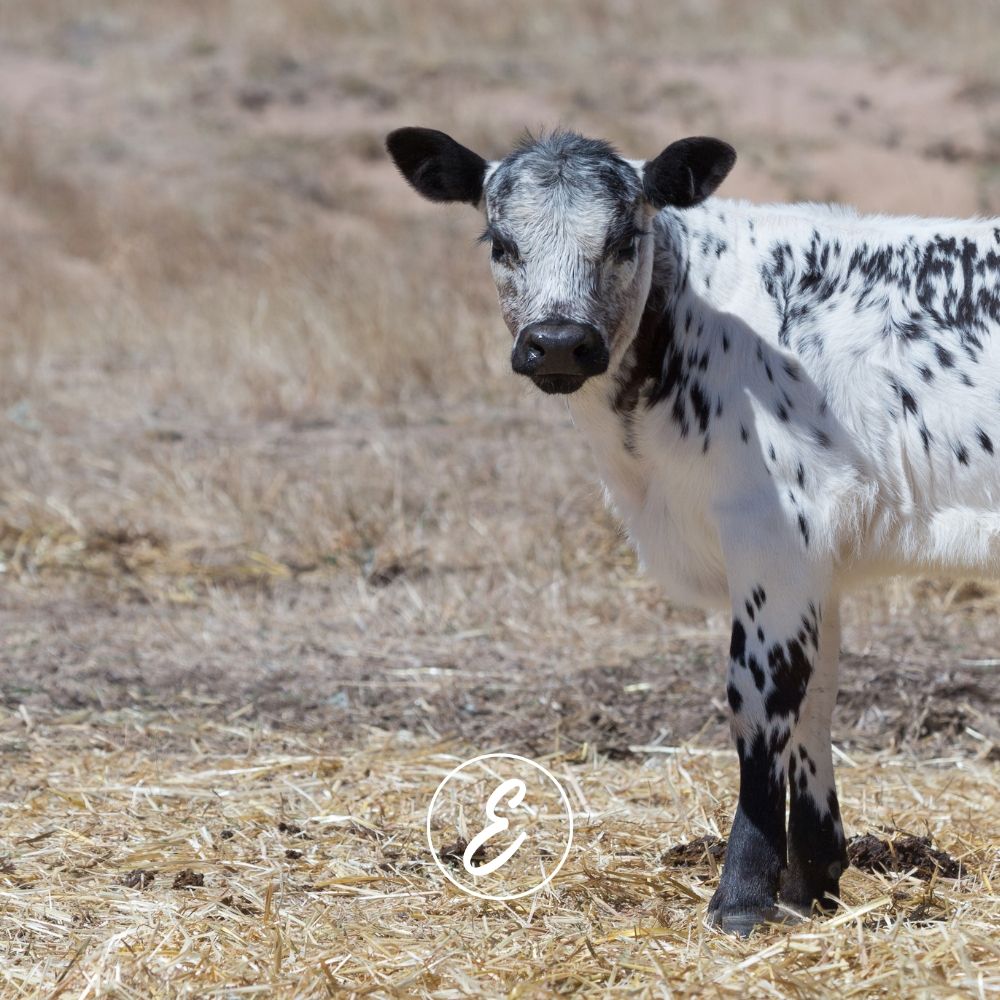
My husband has always wanted cattle, so we’re establishing a Speckle Park breeding programme under the Jaspire Acres name, with the aim of developing exceptional breeding genetics and building a beautiful herd over time.
Our plans involve AI in October 2026 — artificial insemination, not the other AI we’ve all come to know and love — with the cattle moving onto the property in January 2027.
If everything goes to plan, we’ll welcome our first calves in 2027. Although animals have a wonderful habit of ignoring human schedules, so we’ll see how closely reality follows the spreadsheet.
Now, here’s something you might not expect. Jaspire is currently shaping up to be a rather vegetarian farm. Before anyone gets too excited, I haven’t changed that much!
The cattle won’t be destined for our dinner plates. They’ll be part of our breeding programme and an important step towards bringing the property back into productive agricultural use.
The herd will be entirely female, at least to begin with, although I wouldn’t rule out a bull eventually making an appearance. Or perhaps a three-legged horse. Frankly, I’m not entirely sure what collection of animals we’ll end up with, but I suspect it will be quite a cast of characters.
And naturally, they’ll all need names.
All the girls will have names beginning with E, and there will always be an Ethel May somewhere on the farm. Whether she turns out to be a particularly distinguished cow, an opinionated goat or a rogue chicken remains to be seen.
Because if we’re going to build a farm, we might as well give it a little personality.
Building a Home: The Less Romantic Part
The longer-term plan is to build our family home on the estate.
We’ve been working through the planning process, including building entitlement questions, historical property records, zoning and the location of the proposed home.
Our land is zoned C3 Environmental Management, which means understanding what is permissible and securing the appropriate approvals is an essential part of the project.
It’s not quite as simple as finding a beautiful paddock and deciding that’s where the house should go.
There are surveys, assessments, plans, regulations and a surprising amount of correspondence.
Our original hope was to be much further along by now, but the process has taken longer than expected.
At present, we’re working towards beginning the main house build in late 2027, subject to the necessary approvals and arrangements.
I’m learning that rural property development requires a rather different kind of patience from growing vegetables.
At least when a seed doesn’t germinate, I can usually plant another one.
From Paddock to Pantry: The Kitchen Garden
While the house is a major part of the project, the kitchen garden is where my imagination really runs away with me.
We’re planning an initial one-acre productive garden, with the possibility of expanding the wider garden area to around three acres over time.
The vision includes:
- Vegetable beds for everyday family meals and storage crops.
- Two greenhouses and a central potting shed, developed in stages.
- An orchard, berry rows and climbing fruit.
- A dedicated herb garden.
- Cut flowers, pollinator planting and native habitat.
- Chickens, composting and practical food-growing infrastructure.
- Spaces to sit, enjoy the garden and occasionally remember that gardening is supposed to be relaxing.
The first acre will be the practical heart of the project.
I want to grow the food we actually eat, not simply create a beautiful collection of vegetables that nobody knows what to do with.
Potatoes, beans, tomatoes, leafy greens, herbs and seasonal produce will all have a place.
And because we’re in the Southern Highlands, we’ll be planning around frosts, wind, wildlife and the realities of growing in a cool-temperate climate.
There will undoubtedly be failures.
There will probably be rabbits.
And if Sunny has anything to do with it, there may be a few mysteriously disappearing garden stakes.
Our Working Timeline
This is the plan as it stands in November 2026. It will evolve as approvals, seasons, animals and construction schedules unfold.
| When | What we’re planning |
|---|---|
| November–December 2026 | Continue planning, historical research, property preparation and cattle breeding arrangements |
| January 2027 | Move the cattle onto Jaspire Acres |
| Early 2027 | Begin the first stages of fencing and garden infrastructure, as practical |
| Throughout 2027 | Develop the first growing areas, greenhouse plans and orchard preparation |
| Late 2027 | Target commencement of the main house build, subject to approvals |
| Late 2027 onwards | Potential first calves, depending on breeding outcomes |
| 2028 | Continue the house build and develop the wider estate |
This isn’t a promise that everything will happen on schedule.
It’s a starting point.
And I suspect we’ll be revisiting it regularly.
What We’re Doing First
One of the biggest lessons so far is that you can’t build everything at once.
Not practically, not financially and certainly not while managing everyday family life.
So we’re approaching Jaspire in stages.
The immediate priorities are understanding the land, progressing the necessary approvals, preparing for the cattle and establishing the first practical growing areas.
The grander ideas — the courtyard, the olive trees, the pool, the larger garden and all the lovely finishing touches — will come later.
For now, the focus is on building the foundations of a productive family estate.
Why We’re Sharing the Journey
The Jaspire Project isn’t about creating a perfect country estate for photographs.
It’s about showing what it really takes to turn a rural property into a productive, useful and enjoyable place to live.
We’ll share the garden plans, growing experiments, cattle updates, building progress, mistakes and lessons along the way.
Some weeks there will be exciting milestones.
Other weeks, the most significant achievement may be getting a response to an email.
And that’s fine.
Because somewhere between the planning documents, muddy boots, vegetable beds and future calves, we’re creating something that we hope will be part of our family’s story for a very long time.
Welcome to Jaspire. We’re only just getting started.
Follow the Jaspire Project for updates on our Southern Highlands kitchen garden, Speckle Park cattle, rural property development and the journey from paddock to pantry.