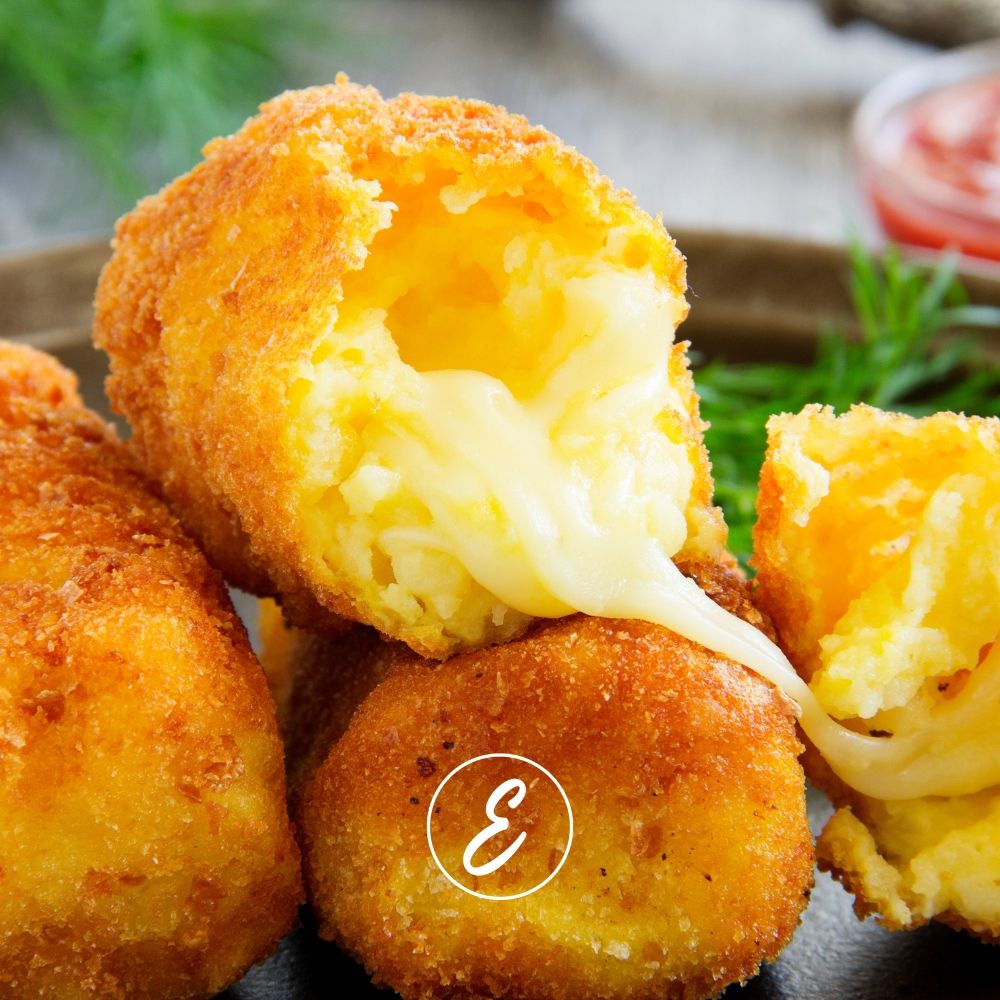
There is a particular kind of lunchtime satisfaction that comes from remembering you already have something homemade in the freezer. Instead of assembling an uninspiring sandwich or spending far too much on a café lunch, you can warm a fish cake, fritter or croquette, add a handful of salad leaves and have something genuinely lovely on the plate within minutes.
These recipes are designed to be made in batches and frozen. They are substantial enough to become the centre of lunch without being so heavy that you need an afternoon lie-down afterwards. Serve them with spinach, rocket or whatever salad ingredients need using, tuck them into a wrap, or top the vegetable fritters with eggs for a warm and filling meal.
There’s something wonderfully nostalgic about fish cakes for me, whether homemade or wrapped in paper from the local chippy. They always take me straight back to Friday nights with my dad. He’d have fish and chips, I’d have fish cake and chips, and my brother would have a battered sausage. And if we were particularly lucky, there’d be an enormous pickled onion too. Nothing fancy, just one of those little family rituals that stays with you long after childhood. Funny how food does that, isn’t it? One familiar taste and suddenly you’re right back there, waiting for your Friday night tea. These homemade fish cakes might be a little different from the ones I remember, but they still bring back that same feeling.
Easy Potato and Herb Fish Cakes
These are proper family-friendly fish cakes: crisp on the outside, soft in the middle and substantial enough that one or two can turn a basic spinach salad into lunch. You can use fresh fish, leftover cooked fish or a combination of whatever is available.
Makes: 10–12 fish cakes
Ingredients
- 500g floury potatoes, peeled and chopped
- 400g white fish fillets, such as hoki, cod, ling or barramundi
- 2 spring onions, finely sliced
- 2 tablespoons chopped parsley, dill or chives
- 1 teaspoon Dijon mustard
- 1 egg
- ½ cup breadcrumbs, plus extra for coating
- Salt and black pepper
- Olive oil, for cooking
Method
Boil the potatoes in salted water until tender, then drain them thoroughly. Leave them in the warm saucepan for a few minutes so that excess moisture can evaporate before mashing.
Meanwhile, gently poach, steam or bake the fish until it flakes easily. Allow it to cool slightly, then check carefully for bones and break it into generous pieces.
Combine the mashed potato, fish, spring onions, herbs, mustard, egg and breadcrumbs. Season well, remembering that potatoes need a little more seasoning than you might expect. Mix gently so that some discernible pieces of fish remain.
Shape the mixture into 10–12 patties and lightly coat each one in breadcrumbs. Refrigerate for at least 30 minutes to firm them up.
Heat a little olive oil in a frying pan and cook the fish cakes over medium heat for approximately four minutes on each side, or until golden and hot throughout.
To freeze
Freeze the uncooked fish cakes on a lined tray until firm, then transfer them to a container or freezer bag with baking paper between the layers. Defrost overnight before cooking, or cook from frozen in the oven or air fryer, allowing extra time to ensure the centres are piping hot.
Serve with
A spinach and cucumber salad, steamed vegetables, coleslaw or a spoonful of yoghurt mixed with herbs and black pepper.
Courgette, Corn and Cheddar Fritters
These are ideal for topping with a fried or poached egg. The courgette keeps them tender, the corn adds sweetness and the cheese gives them enough flavour to stand on their own.
Makes: 10 small fritters
Ingredients
- 2 medium courgettes, coarsely grated
- 1 cup corn kernels
- 3 spring onions, finely sliced
- ¾ cup grated mature cheddar
- 2 eggs
- ¾ cup wholemeal or plain flour
- ½ teaspoon baking powder
- ½ teaspoon smoked paprika
- Salt and black pepper
- Olive oil, for cooking
Method
Place the grated courgette in a clean tea towel and squeeze out as much liquid as possible. This is worth doing properly; excess water is the difference between a crisp fritter and one that flops rather sadly around the pan.
Transfer the courgette to a bowl and add the corn, spring onions and cheddar. Stir through the eggs.
Add the flour, baking powder, smoked paprika and a generous amount of black pepper. Season lightly with salt, as the cheese will already provide some.
Heat a thin layer of olive oil in a frying pan over medium heat. Add heaped spoonfuls of the mixture and flatten them slightly. Cook for three to four minutes on each side until golden and cooked through.
To freeze
Allow the fritters to cool completely. Freeze them between sheets of baking paper and reheat directly from frozen in an air fryer, frying pan or moderate oven.
Serve with
Top two fritters with a poached egg and wilted spinach. They are also good with avocado, tomato relish or a simple side salad.
Sweet Potato, Chickpea and Spinach Fritters
These fritters contain vegetables, legumes and fibre, making them a useful lunch to keep on hand. They are also an excellent vehicle for a runny egg—which, frankly, improves most lunchtime situations.
Makes: 10–12 fritters
Ingredients
- 500g sweet potato, peeled and chopped
- 1 x 400g tin chickpeas, drained and rinsed
- 2 large handfuls baby spinach, finely chopped
- 2 spring onions, finely sliced
- 2 eggs
- ½ cup wholemeal flour
- 1 teaspoon ground cumin
- ½ teaspoon garlic powder
- Salt and black pepper
- Olive oil, for cooking
Method
Steam or boil the sweet potato until tender. Drain it thoroughly and allow it to cool slightly.
Place the chickpeas in a large bowl and roughly mash them with a fork. You do not need a completely smooth mixture; leaving some chickpeas intact gives the fritters a better texture.
Add the sweet potato and mash it into the chickpeas. Stir through the spinach, spring onions, eggs, flour and seasonings. If the mixture feels particularly soft, add another spoonful of flour.
Shape the mixture into small patties. Heat a little oil in a frying pan and cook over medium heat for approximately four minutes on each side. Turn them carefully once the first side has formed a golden crust.
Alternatively, brush the fritters lightly with oil and bake at 200°C for approximately 20–25 minutes, turning halfway through.
To freeze
Cool the cooked fritters completely before freezing them in a single layer. Once firm, place them in a labelled container. Reheat from frozen until crisp and hot throughout.
Serve with
Add a fried egg and a spoonful of Greek yoghurt, or serve with spinach leaves, cucumber and toasted seeds.
Cauliflower, Pea and Parmesan Fritters
Cauliflower fritters are a handy way to make vegetables feel like the main event rather than the well-behaved item sitting at the edge of the plate. These have crisp edges, a tender centre and plenty of savoury flavour from the parmesan.
Makes: 10 fritters
Ingredients
- 1 small cauliflower, cut into florets
- 1 cup frozen peas
- 2 eggs
- ½ cup grated parmesan
- ¾ cup plain or wholemeal flour
- 2 tablespoons chopped parsley or chives
- ½ teaspoon onion powder
- Salt and black pepper
- Olive oil, for cooking
Method
Steam the cauliflower until tender, adding the peas for the final two minutes. Drain very thoroughly and allow the vegetables to release their steam before continuing.
Roughly mash the cauliflower and peas. Add the eggs, parmesan, flour, herbs and onion powder. Season with black pepper and a small amount of salt.
Spoon the mixture into an oiled frying pan and flatten it into small fritters. Cook over medium heat for three to four minutes on each side.
To freeze
Freeze after cooking and cooling. These can be reheated in a frying pan, oven or air fryer directly from frozen.
Serve with
Top with eggs and sautéed mushrooms, or add a crisp salad and a spoonful of pesto or herbed yoghurt.
Spanish Ham and Chicken Croquettes
Spanish croquetas are not meant to resemble chunky potato croquettes. Their filling is made from a thick, silky béchamel flavoured with ham, chicken or other leftovers. Once crumbed and cooked, the outside becomes crisp while the centre stays beautifully creamy.
They take a little more time than the fritters, but that makes them particularly worthwhile as a large freezer batch.
Makes: Approximately 24 croquettes
Ingredients
For the filling
- 60g butter
- 1 small onion, very finely diced
- 80g plain flour
- 600ml milk, warmed
- 100g finely chopped cooked chicken
- 100g finely chopped jamón, serrano ham or good-quality leg ham
- A small pinch of nutmeg
- Black pepper
- Salt, if needed
For coating
- ¾ cup plain flour
- 2 eggs, beaten
- 2 cups fine breadcrumbs
- Olive oil or neutral cooking oil
Method
Melt the butter in a heavy-based saucepan over low to medium heat. Add the onion and cook gently for approximately eight minutes, until very soft but not browned.
Add the flour and stir continuously for two minutes. Gradually pour in the warm milk, whisking well after each addition to prevent lumps.
Continue cooking and stirring until the mixture becomes very thick and pulls away from the sides of the pan. This can take 10–15 minutes, so do not rush it. Stir through the finely chopped chicken and ham, then season with nutmeg and black pepper. Taste before adding salt, as the ham may provide enough.
Spread the mixture in a shallow container and press baking paper or reusable wrap directly onto its surface. Refrigerate for at least four hours, although overnight is preferable.
Once completely cold, use two spoons or lightly floured hands to form small cylinders. If the mixture becomes too soft while you are working, return it to the fridge.
Coat each croquette first in flour, then beaten egg and finally breadcrumbs. For a particularly crisp shell, repeat the egg and breadcrumb layers.
Traditionally, croquettes are deep-fried. For a lighter everyday option, spray or brush them generously with oil and cook them in an air fryer at 190°C until deeply golden and piping hot. They can also be shallow-fried, turning carefully to colour all sides.
To freeze
Freeze the crumbed, uncooked croquettes on a tray. Once solid, transfer them to a freezer container or bag. They can be cooked from frozen; simply lower the temperature slightly and allow enough time for the creamy filling to become hot throughout.
Serve with
Add two or three croquettes to a leafy salad, serve them with roasted capsicum and tomatoes, or tuck them into a lunchbox with vegetable sticks and a small pot of dip.
A Simple Freezer Lunch Formula
The recipes can all be mixed and matched using the same basic lunch formula:
- One or two fish cakes, fritters or croquettes
- A handful of spinach, rocket or mixed leaves
- Whatever raw or cooked vegetables are available
- A boiled, fried or poached egg when you need something more substantial
- A spoonful of yoghurt dressing, hummus, pesto or relish
- Nuts, seeds or pickled vegetables for a little extra texture
You do not need to prepare a complete salad in advance. The useful part is having the main component ready. Once the freezer contains a few different choices, lunch becomes a matter of heating something and seeing what is in the fridge—not starting an entire cooking project at 12.30 pm.
These are exactly the sorts of recipes worth doubling while the chopping board is already out. One batch for this week and one for the freezer gives you a collection of easy lunches that feel properly made, even on days when you have barely had time to make yourself a cup of tea.