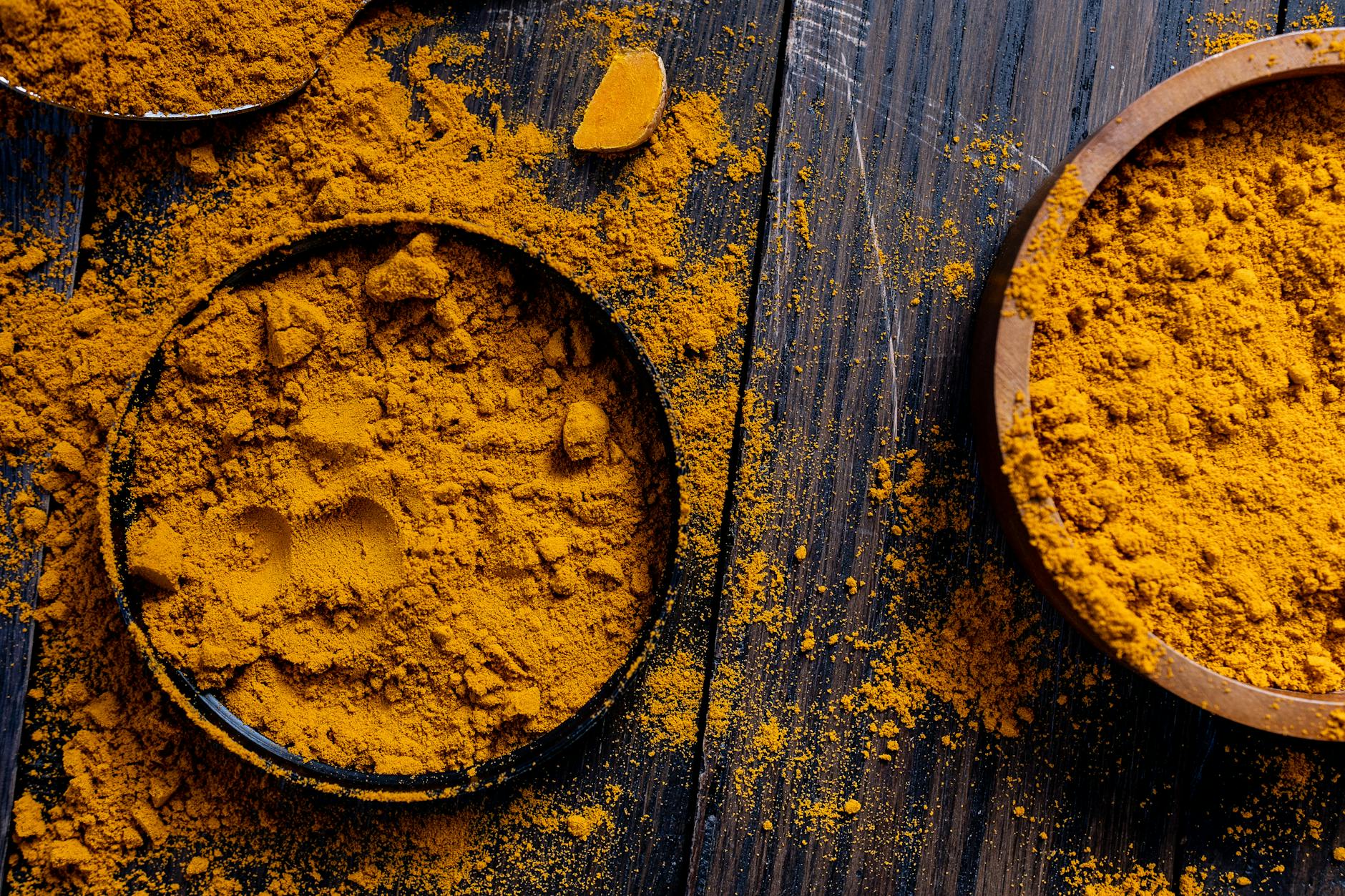
Turmeric, a vibrant golden spice known for its pivotal role in culinary traditions like Indian curry, harbours profound health benefits that extend well beyond its culinary uses. Its active compound, curcumin, is a potent anti-inflammatory agent and antioxidant, making turmeric a valuable spice for maintaining and enhancing gut health.
Turmeric’s Nutritional Profile: Turmeric is not just a common kitchen spice; it’s a nutritional powerhouse. Packed with bioactive compounds, with curcumin being the most significant, turmeric offers anti-inflammatory, antioxidant, and antimicrobial properties. These features make it an excellent supplement for supporting various aspects of health, particularly digestive health.
Benefits of Turmeric for Gut Health:
- Anti-Inflammatory Properties: Chronic inflammation is a root cause of many gastrointestinal disorders, such as inflammatory bowel disease (IBD), irritable bowel syndrome (IBS), and gastritis. Curcumin in turmeric effectively reduces inflammation in the gut, helping to alleviate symptoms of these conditions and fostering a healthier digestive environment.
- Enhancing Gut Barrier Function: The gut barrier plays a crucial role in protecting intestinal tissues from pathogens and toxins while allowing the absorption of nutrients. Curcumin strengthens this barrier by promoting the integrity of mucosal linings and tight junctions, which can prevent conditions like leaky gut syndrome.
- Stimulating Bile Production: Turmeric increases the body’s production of bile, produced by the liver and stored in the gallbladder. Bile helps in digesting fats and detoxifying harmful substances, which enhances digestion and reduces the risk of fat accumulation and inflammation in the gut.
- Antimicrobial Effects: Turmeric has been shown to exert antimicrobial properties that can help balance gut flora by inhibiting the growth of harmful bacteria and promoting the growth of beneficial bacteria. This balance is vital for good digestive health and can help in preventing and treating gastrointestinal infections.
Incorporating Turmeric into Your Diet: Incorporating turmeric into your diet is simple. It can be added to smoothies, soups, and curries, or taken as a supplement in capsule form. For enhanced absorption, combine turmeric with black pepper, which contains piperine, a natural substance that enhances the absorption of curcumin by 2000%.
The profound impact of turmeric on gut health makes it more than just a staple spice. Its benefits in reducing inflammation, protecting the gut barrier, stimulating bile production, and balancing gut flora illustrate its therapeutic potential. Incorporating turmeric into your diet could be a significant step towards improving your digestive health and overall wellbeing.
Ready to experience the gut-healing powers of turmeric? Start integrating this golden spice into your meals or consider a supplement to tap into its full potential. Your gut will likely reap the benefits, contributing to a healthier you.
This blog provides an overview of turmeric’s beneficial properties, especially its impact on gut health, and offers practical advice for integrating it into a dietary regimen.