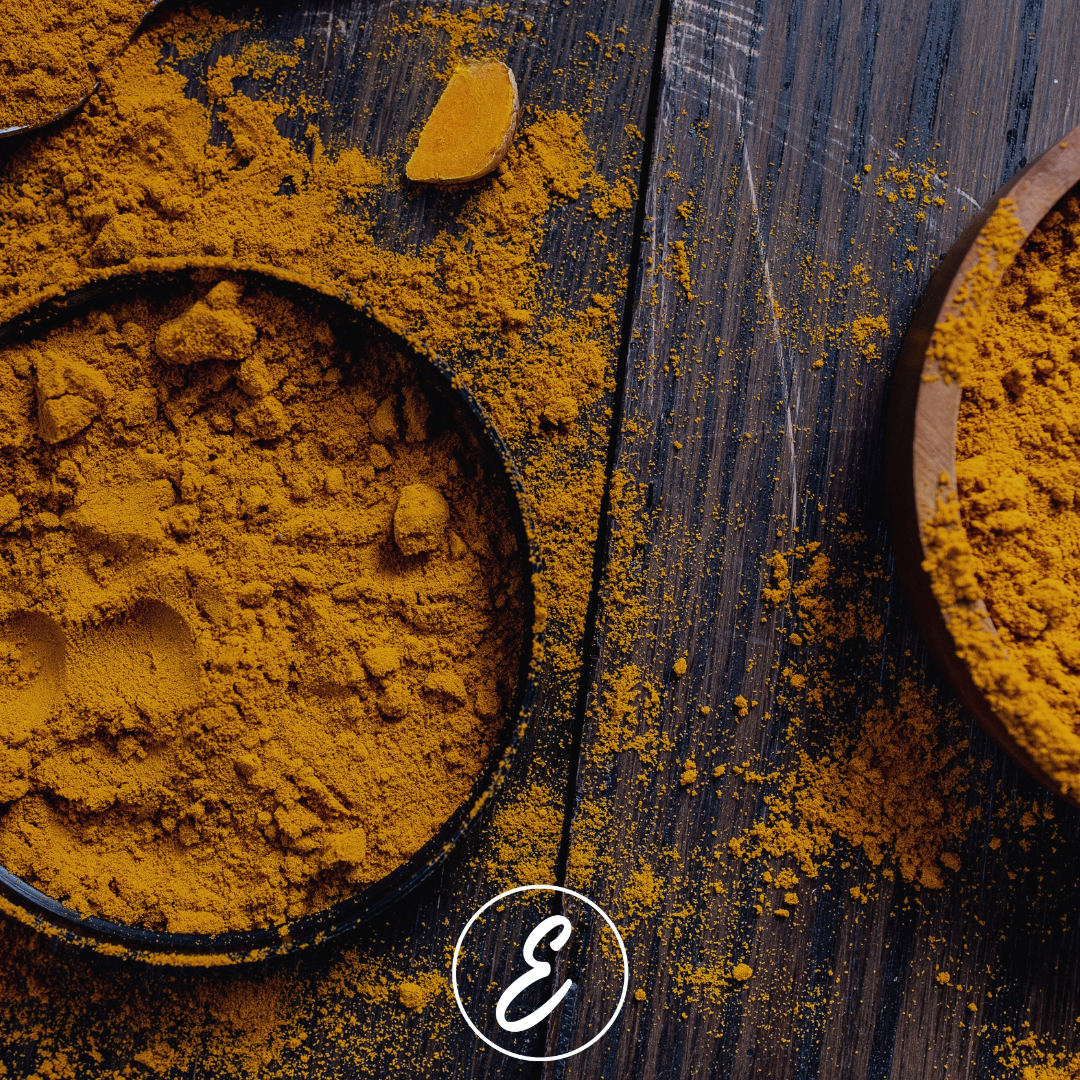
Supporting gut health has become a cornerstone of overall well-being, with many people turning to supplements to complement their diets and lifestyle changes. From turmeric-infused powders to collagen protein, these supplements can play a key role in healing, nourishing, and maintaining a healthy gut. This article explores some of the most effective supplements for gut health and how they work.
Why Gut Health Matters
The gut is often called the body’s “second brain” because of its profound influence on digestion, immunity, and even mental health. A balanced gut microbiome—the community of bacteria, fungi, and other microorganisms living in your digestive tract—is essential for:
- Efficient digestion and nutrient absorption
- Reducing inflammation
- Supporting immune function
- Enhancing mental clarity and mood
When gut health is compromised, symptoms like bloating, fatigue, and food intolerances can arise. Supplements can provide targeted support to restore balance and optimise function.
Top Supplements for Gut Health
1. Intestimine Powder
What It Is: Intestimine powder is a supplement often containing turmeric (curcumin), slippery elm, aloe vera, and other gut-soothing ingredients. It’s designed to support the gut lining and reduce inflammation.
Benefits:
- Anti-inflammatory properties: Turmeric’s active compound, curcumin, helps reduce gut inflammation, particularly in conditions like IBS or Crohn’s disease.
- Soothing the gut lining: Ingredients like slippery elm and aloe vera form a protective barrier, reducing irritation.
- Improved digestion: Aids in calming digestive discomfort and promoting regularity.
How to Use: Mix a teaspoon of Intestimine powder with water, juice, or a smoothie. For best results, take it on an empty stomach or as directed by your healthcare provider.
2. Collagen Protein
What It Is: Collagen is a structural protein found in skin, bones, and connective tissue. Hydrolysed collagen or collagen peptides are commonly used to support gut health.
Benefits:
- Repairing the gut lining: Collagen contains amino acids like glycine and proline, which help rebuild the intestinal lining.
- Reducing inflammation: Glycine has anti-inflammatory properties, which can alleviate digestive discomfort.
- Improving digestion: Supports stomach acid production, aiding in the breakdown of food.
How to Use: Add a scoop of collagen powder to coffee, tea, or smoothies. It’s flavourless and dissolves easily, making it a versatile option for daily use.
3. Probiotics
What They Are: Probiotics are live microorganisms that help maintain a healthy gut microbiome.
Benefits:
- Restoring balance: Replenishes beneficial bacteria, especially after antibiotic use.
- Boosting immunity: A strong microbiome protects against infections and illnesses.
- Reducing bloating: Certain strains, like Bifidobacterium and Lactobacillus, can alleviate digestive discomfort.
How to Use: Choose a high-quality probiotic supplement with multiple strains. Take it daily with meals or as directed by your healthcare provider.
4. Prebiotics
What They Are: Prebiotics are non-digestible fibres that feed the good bacteria in your gut, enhancing their growth and activity.
Benefits:
- Fostering diversity: Promotes a thriving and balanced microbiome.
- Improving regularity: Supports bowel movements by bulking up stool.
- Enhancing nutrient absorption: Helps the gut extract more nutrients from food.
How to Use: Prebiotic supplements often come in powdered form and can be added to water, smoothies, or meals. Foods like bananas, onions, and asparagus also provide natural prebiotics.
5. Digestive Enzymes
What They Are: Digestive enzymes are proteins that help break down food into absorbable nutrients.
Benefits:
- Easing digestion: Helps break down proteins, fats, and carbohydrates for smoother digestion.
- Reducing bloating: Alleviates discomfort caused by undigested food.
- Supporting nutrient absorption: Ensures your body gets the maximum benefit from your meals.
How to Use: Take digestive enzyme capsules before meals. Look for broad-spectrum formulas to cover a variety of food groups.
6. L-Glutamine
What It Is: L-glutamine is an amino acid that plays a key role in maintaining the integrity of the gut lining.
Benefits:
- Healing the gut: Repairs and strengthens the intestinal wall, especially helpful for leaky gut syndrome.
- Reducing inflammation: Soothes and calms irritated gut tissue.
- Enhancing immunity: Supports overall gut health, which is closely tied to immune function.
How to Use: Mix L-glutamine powder with water or take it in capsule form. It’s often recommended on an empty stomach.
Things to Keep in Mind
- Quality Matters: Choose reputable brands that prioritise high-quality, clean ingredients.
- Start Slowly: Introduce supplements gradually to monitor their effects on your body.
- Pair with Whole Foods: Supplements work best alongside a diet rich in whole, nutrient-dense foods.
- Consult a Professional: Speak with a healthcare provider or dietitian before starting any new supplement, especially if you have underlying health conditions or take medications.
Supplements like Intestimine powder, collagen protein, probiotics, and more can be powerful tools for supporting gut health. By addressing inflammation, healing the gut lining, and balancing the microbiome, these supplements help create a strong foundation for better digestion, immunity, and overall well-being. Combined with a balanced diet and healthy lifestyle, they can transform your gut health journey.