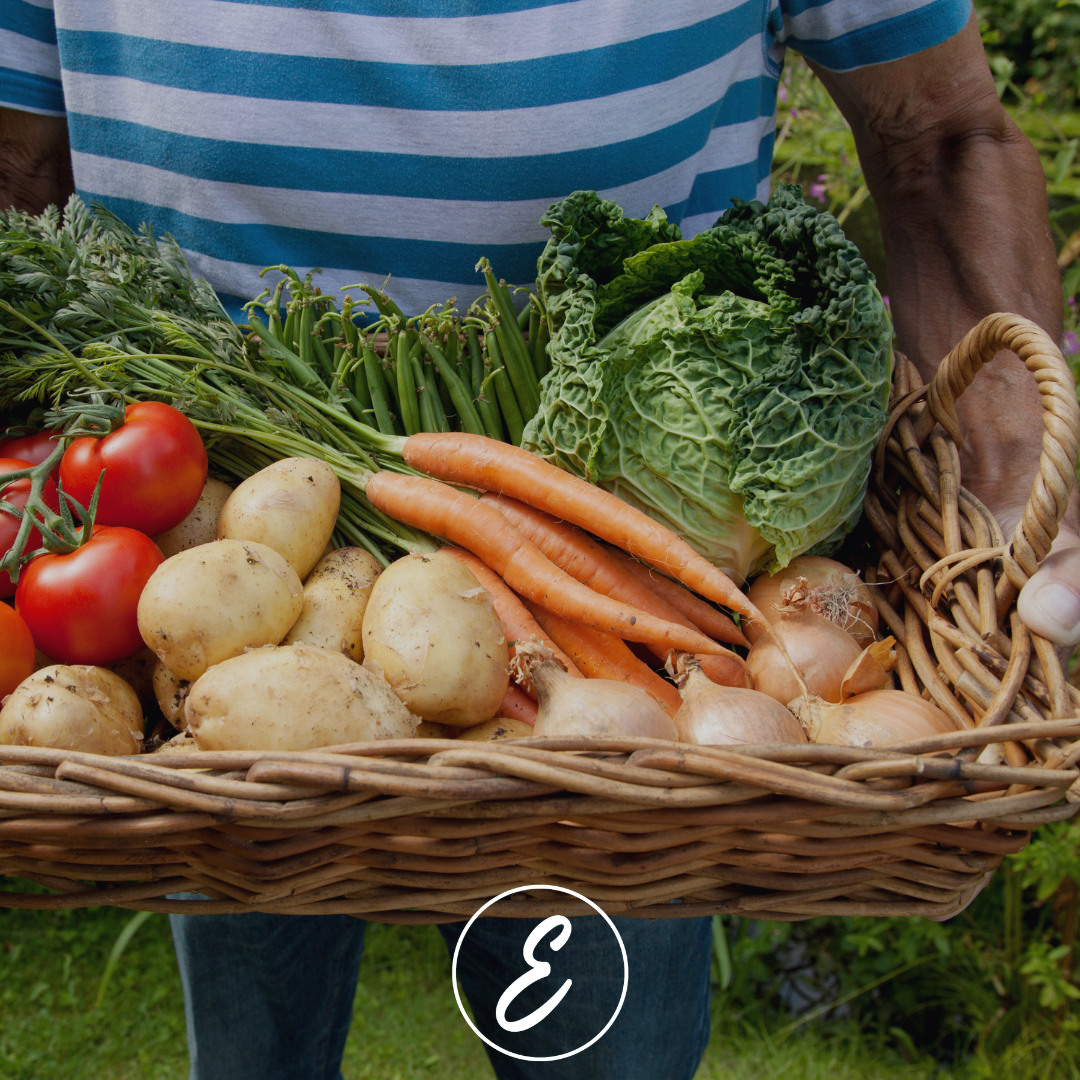
Growing your own food offers numerous health benefits, from improved nutrition to reduced exposure to harmful chemicals. In addition, the ability to produce seasonal and organic crops allows you to enjoy fresher, more nutritious food year-round, while reducing your environmental footprint. Here’s how growing your own food can positively impact your health and wellbeing.
1. Access to Nutrient-Rich, Fresh Produce
One of the most significant health benefits of growing your own food is the superior quality of the produce. Fruits and vegetables grown at home are typically richer in nutrients than store-bought alternatives, which may have been harvested early and stored for extended periods. The nutritional content of produce tends to degrade over time, especially if it has been transported long distances.
By growing your own crops, you can harvest them at their peak ripeness, ensuring that they are packed with vitamins, minerals, and antioxidants. For example, vegetables such as tomatoes, spinach, and carrots lose their vitamin C and other key nutrients as they sit in storage, so freshly harvested produce has clear nutritional advantages.
2. Seasonal Variety and Diversity
Growing your own food allows you to plant according to the natural seasons, resulting in a more diverse and varied diet. Seasonal eating is associated with a host of health benefits, as it encourages the consumption of a wide range of fruits and vegetables throughout the year, each offering its unique blend of nutrients.
For example:
- Spring: Leafy greens like spinach, lettuce, and kale are abundant and packed with fibre, iron, and folate.
- Summer: Tomatoes, cucumbers, and berries, rich in vitamins A and C, flourish in warmer weather.
- Autumn: Root vegetables like carrots, potatoes, and pumpkins provide essential minerals such as potassium and beta-carotene.
- Winter: Hardy crops such as cabbages, leeks, and broccoli continue to provide essential nutrients, even in colder months.
By growing your own food, you are less dependent on out-of-season produce, which is often imported and lacks the same freshness or nutritional quality.
3. Reduced Exposure to Harmful Chemicals
Another key benefit of homegrown food is the ability to control what goes into the soil and onto your plants. Many commercial fruits and vegetables are treated with synthetic pesticides, herbicides, and chemical fertilisers, which can have adverse health effects when consumed regularly. Residual chemicals can contribute to various health issues, including hormonal imbalances, allergic reactions, and even long-term risks such as cancer.
By growing your own produce organically, you can eliminate these chemicals from your diet entirely. You can use natural alternatives for pest control, such as companion planting, homemade organic sprays, and attracting beneficial insects like ladybirds to keep harmful pests in check. This not only leads to safer, healthier food but also supports environmental sustainability.
4. Mental and Physical Health Benefits
Gardening itself offers significant health advantages. The physical act of planting, tending, and harvesting your crops provides moderate-intensity exercise, which is great for maintaining overall fitness and cardiovascular health. Regular physical activity has been shown to lower blood pressure, reduce the risk of heart disease, and help maintain a healthy weight.
Moreover, gardening can have profound effects on mental health. Spending time outdoors and connecting with nature has been linked to reduced stress, anxiety, and depression. The simple act of nurturing plants and watching them grow can promote a sense of accomplishment, mindfulness, and mental clarity. Sun exposure while gardening also boosts vitamin D levels, which is essential for bone health and immune function.
5. Improved Gut Health
Growing and consuming your own fruits and vegetables can significantly benefit gut health. The consumption of fresh, whole produce provides plenty of dietary fibre, which is crucial for maintaining a healthy gut microbiome. Fibre-rich vegetables like leafy greens, root vegetables, and legumes promote digestive health by feeding beneficial bacteria in the gut, aiding digestion, and preventing conditions like constipation and irritable bowel syndrome (IBS).
Additionally, fresh, homegrown produce often retains more of its natural enzymes and prebiotics, which further enhance gut health compared to highly processed or long-stored foods.
6. Control Over Your Food Supply
By growing your own food, you have direct control over what goes into your meals, from the variety of produce you grow to the methods you use to cultivate it. This sense of control can lead to healthier dietary choices. Instead of relying on processed foods and supermarket convenience items, having a steady supply of fresh, homegrown vegetables encourages more home-cooked meals and experimentation with healthy recipes.
This also means you can grow varieties that suit specific dietary needs. For example, you might choose low-FODMAP vegetables for digestive health, high-antioxidant berries for their anti-inflammatory benefits, or high-protein legumes to complement a plant-based diet.
Growing your own food offers numerous health benefits, from superior nutrition to improved mental and physical wellbeing. By harvesting fresh, chemical-free, and nutrient-dense produce, you are not only enhancing your health but also contributing to a more sustainable and eco-friendly lifestyle. Whether you have a small backyard garden or a few pots on a balcony, growing your own seasonal fruits and vegetables is a rewarding way to improve your diet and boost your overall health naturally.