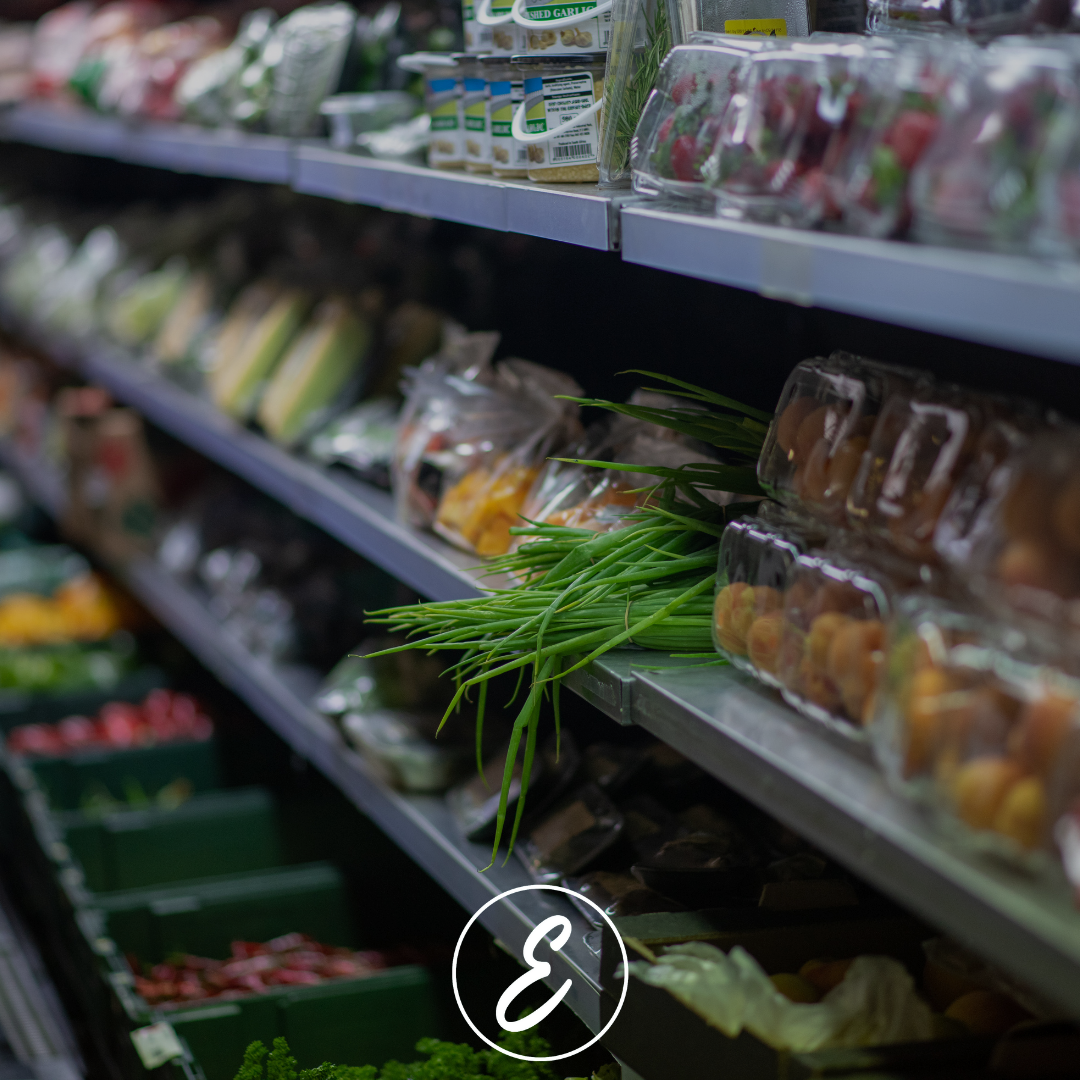
When we think about healthy eating, we often focus on what we’re eating—but when and how that food was harvested and stored is just as important. Nutrients, especially vitamins and antioxidants, are not fixed in time; they begin to break down the moment a fruit or vegetable is picked. Understanding the journey our food takes from farm to plate can help us make better choices for our health and our families.
What Happens After Harvest?
Once a fruit or vegetable is harvested, the clock starts ticking on its nutritional value. Water-soluble vitamins like Vitamin C and many B vitamins are particularly sensitive to light, heat, air, and time. The longer it takes to reach your plate, the fewer nutrients it contains.
Typical Supply Chain Timeline:
- Harvest – produce is picked, sometimes before it’s fully ripe.
- Storage – chilled, stored, and sorted in warehouses.
- Transportation – often across long distances or even internationally.
- Supermarket Shelf Time – sometimes days or a week before being sold.
- Home Storage – often another few days in the fridge before eating.
Each of these steps can contribute to nutrient degradation, especially for delicate compounds like antioxidants, flavonoids, and Vitamin C.
How Much Nutrition is Lost?
Studies have shown that supermarket vegetables can lose 30–50% of their Vitamin C within just a few days of harvest. Leafy greens are particularly vulnerable, and even in optimal cold storage, nutrient levels gradually decline. The chart below compares the estimated retention of nutrients across different produce sources:

Where Frozen Produce Fits In
Frozen vegetables and fruits are usually blanched and frozen shortly after harvest, locking in nutrients at their peak. While the blanching process may slightly reduce water-soluble vitamins, frozen produce generally retains more nutrition than “fresh” produce that has been sitting in transit and storage for days. It’s a convenient and surprisingly nutrient-rich option when fresh garden produce isn’t available.
Why Homegrown is Best
When you harvest food from your own kitchen garden and eat it the same day—or even within minutes—you’re consuming it at its peak nutritional value. You’re also avoiding the impact of shipping, packaging, and storage. Homegrown produce may not always look perfect, but it’s packed with flavour and nutrients.
Beyond just nutrients, growing your own food helps:
- Reduce food waste
- Promote seasonal eating
- Support gut health through a more diverse and fibre-rich diet
Not everyone can grow everything, and store-bought produce still plays an important role. But even growing a handful of herbs, leafy greens, or tomatoes can make a meaningful difference in the nutritional quality of your meals. Combine your homegrown produce with thoughtful shopping (buy local, buy seasonal, use frozen smartly), and you’re well on your way to eating in a way that supports long-term health and wellness.