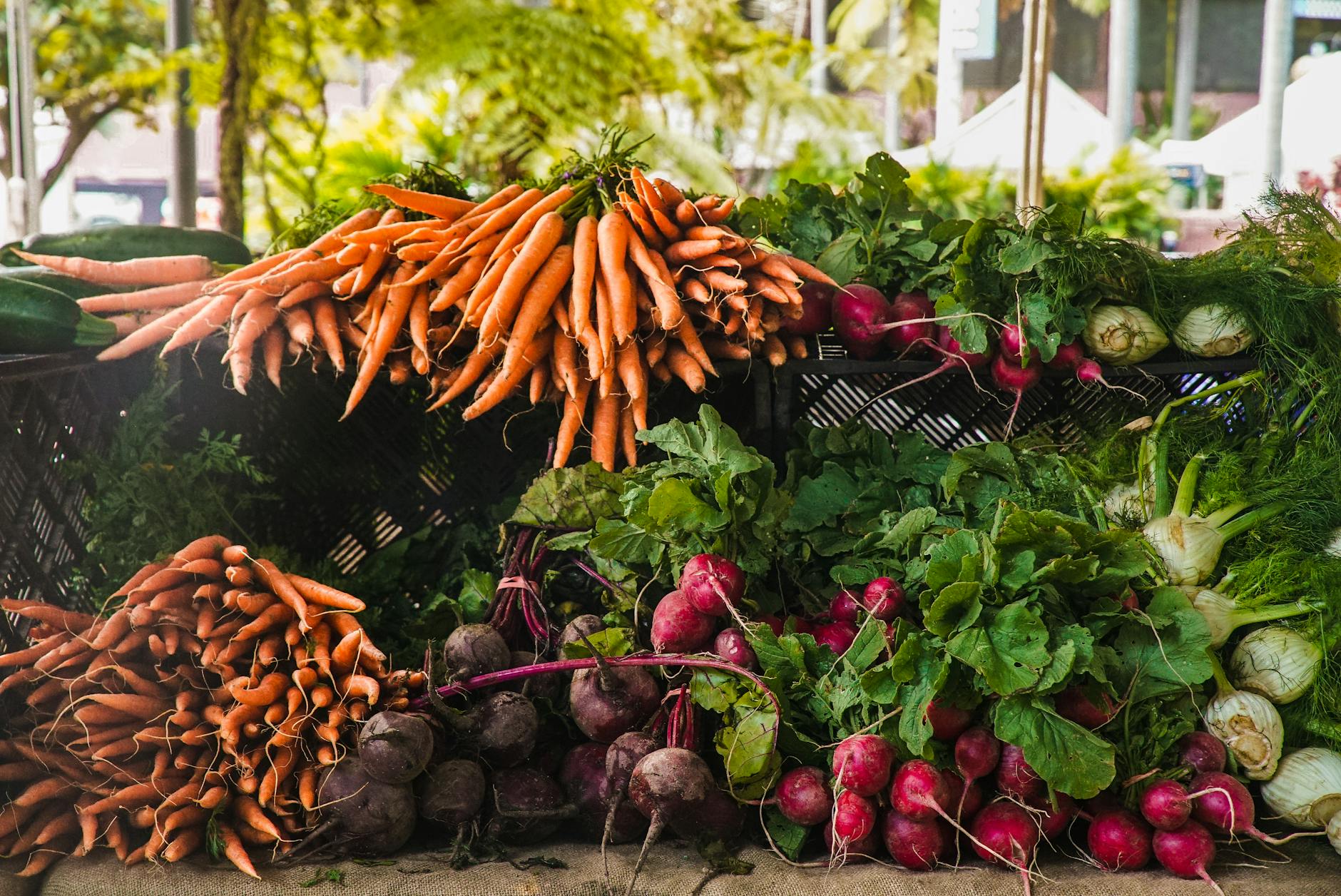
Eating seasonally involves adjusting your diet to consume fruits and vegetables that are naturally grown and harvested at their peak times throughout the year. Not only does this practice support local farming and reduce environmental impact due to less transportation and storage, but it also provides significant health benefits. Let’s explore why eating seasonally can be a cornerstone of a healthy lifestyle.
Why Eat Seasonally?
- Peak Nutritional Value: Fruits and vegetables harvested during their appropriate seasons contain optimal levels of nutrients. When produce is allowed to ripen naturally on the plant and harvested at the right time, it has more vitamins, minerals, and antioxidants compared to out-of-season produce that may be picked before it’s fully ripe and then transported long distances.
- Better Taste and Quality: Seasonal produce is fresher and, as a result, tastes better. This is because it has been harvested at its peak and doesn’t need to be stored for long periods. Fresher produce not only provides a more enjoyable eating experience but also encourages healthier eating habits by making fruits and vegetables more appealing.
- Increased Variety in Diet: Eating seasonally keeps your diet varied throughout the year. This variety ensures you receive a broad spectrum of nutrients and reduces the risk of developing food intolerances that can occur from eating the same foods year-round.
- Cost-Effectiveness: Seasonal fruits and vegetables are often more abundant during their peak seasons, which can drive down prices due to the laws of supply and demand. Additionally, purchasing locally can save money on transportation costs and storage, making seasonal eating a budget-friendly option.
- Support for Local Farmers and Environmental Sustainability: Buying seasonal produce supports local farmers and the local economy, fostering community and sustainability. It also reduces the carbon footprint associated with transporting produce over long distances, contributing to a healthier planet.
Examples of Seasonal Eating:
- Spring: Asparagus, strawberries, peas, and artichokes.
- Summer: Berries, tomatoes, cucumbers, and capsicums.
- Autumn: Apples, squash, pumpkins, and sweet potatoes.
- Winter: Citrus fruits, kale, leeks, and Brussels sprouts.
How to Incorporate Seasonal Eating into Your Diet:
- Visit local farmers’ markets: Get to know your local growers and ask them what’s in season.
- Sign up to a farmers delivery service: Receive boxes of fresh produce directly from local farms.
- Plan your meals around the seasons: Adjust your recipes and meal planning to incorporate the fruits and vegetables that are currently in season.
Eating seasonally is a delicious way to maximise the health benefits of your diet. It connects you to the natural food cycle, supports local communities, and leads to a fresher, more flavourful, and nutritious diet. Embrace the changes each season brings to your plate, and enjoy the journey of discovering the natural rhythm of eating.