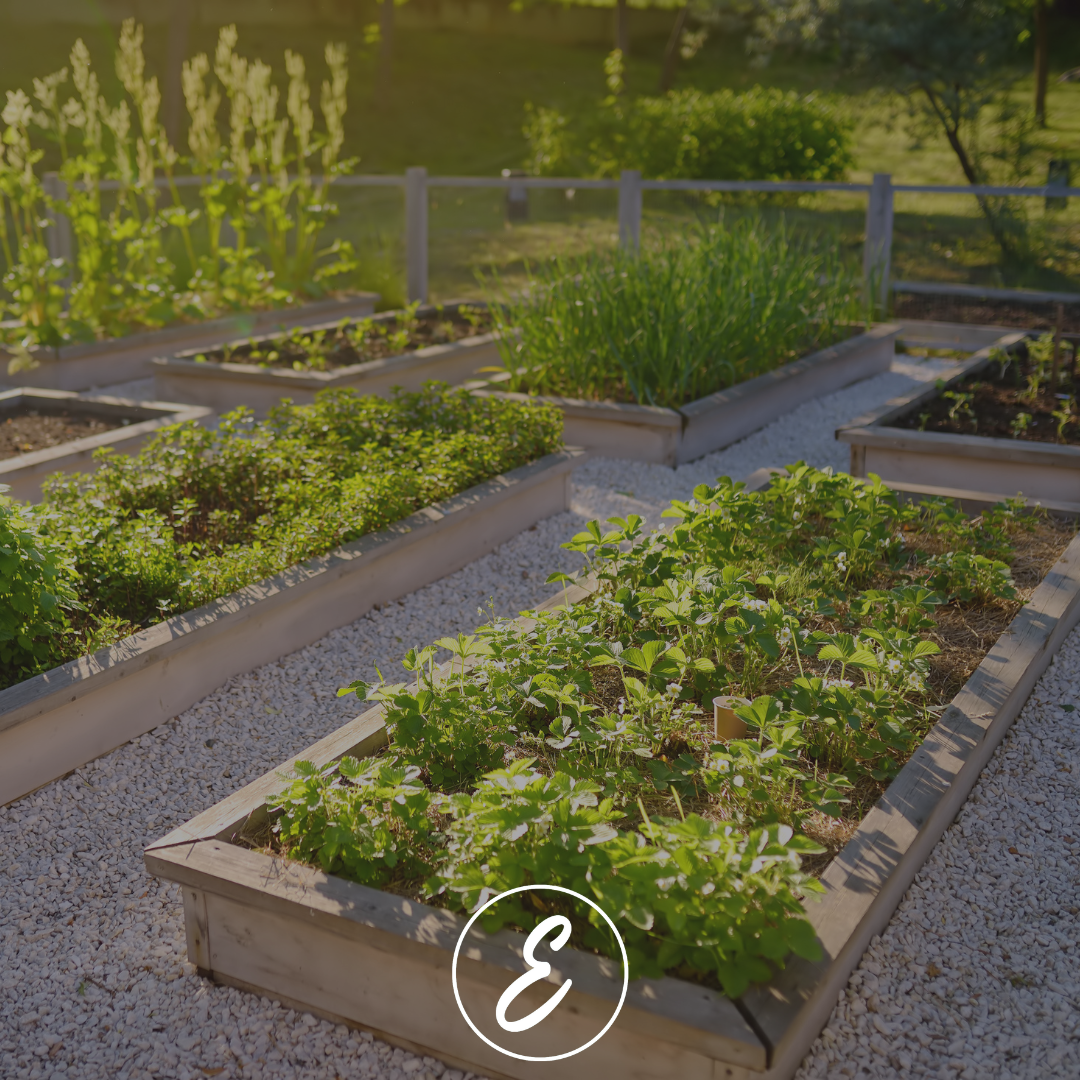
A kitchen garden serves as the foundation of homesteading, providing fresh, seasonal produce directly from your own backyard. In Australia, with its diverse climates, your choice of vegetables, herbs, and fruits will depend on where you live, but regardless of location, the principles of planning and sustainability remain the same. Creating a kitchen garden helps ensure your family’s food needs are met year-round, reduces reliance on grocery stores, and promotes a deeper connection to the land.
Choosing What to Grow
The success of any kitchen garden starts with deciding what to plant. The ideal selection balances your family’s preferences with what grows well in your climate. Common choices include seasonal vegetables such as carrots, zucchini, tomatoes, and beans, alongside greens like spinach and lettuce. Herbs are another staple, with basil, rosemary, thyme, and parsley being both versatile and easy to cultivate. Many homesteaders also integrate fruit trees like lemons, apples, and figs into their gardens.
Australia’s climate zones allow for a wide variety of produce. In temperate regions like the Southern Highlands of NSW, for example, cool-season crops thrive in autumn and winter, while summer yields heat-loving produce like capsicums, cucumbers, and tomatoes.
Seasonal Planting
Timing is crucial for a flourishing garden. You’ll need to synchronise your planting schedule with the local seasons. In warmer parts of Australia, crops can often be grown year-round, but cooler areas require more precise timing.
In colder months, plant hardy vegetables like broccoli, cauliflower, and cabbages. These crops can withstand frost and thrive in cooler temperatures. Spring brings the opportunity to sow fast-growing greens like lettuce and radish, while summer is the time to focus on heat-loving vegetables such as tomatoes, zucchinis, and beans. Late summer and early autumn are perfect for root vegetables like carrots and beets, ensuring a steady supply of food throughout the year.
Fruit trees, while perennial, also follow seasonal patterns. Citrus trees, for example, prefer temperate to warm climates and often yield fruit in winter or early spring. Apples and pears, on the other hand, do well in cooler regions, producing their harvest in late summer to autumn.
Sustainability Practices
Sustainability is at the core of kitchen gardening. The goal is to create a system that’s not only productive but also regenerative, ensuring that your soil stays fertile, and your garden is low-maintenance in the long run.
- Composting: Turning kitchen waste into compost is one of the easiest ways to improve soil quality. It enriches the soil with essential nutrients, helping plants thrive without the need for chemical fertilisers. Composting is also an excellent way to reduce household waste.
- Water Conservation: Using rainwater tanks to irrigate your garden helps conserve water and makes your homestead more self-sufficient. Drip irrigation systems or soaker hoses can be installed to ensure efficient water usage.
- Crop Rotation: Rotating crops each season is key to maintaining soil health. This practice prevents soil depletion, reduces the risk of pests and diseases, and helps with nutrient cycling. For example, after a season of nitrogen-fixing plants like beans, you can plant heavy feeders like tomatoes or squash.
- Organic Pest Control: Rather than relying on chemical pesticides, homesteaders often use natural methods such as companion planting. Marigolds, for example, are known to repel pests like aphids, while herbs such as rosemary and thyme can deter insects. Introducing beneficial insects like ladybugs and using homemade remedies like neem oil are also effective strategies.
The Rewards of a Kitchen Garden
Beyond the obvious benefit of fresh, home-grown produce, kitchen gardening fosters a deeper connection to the food you eat. It’s a hands-on way to engage with the natural world, teaching patience and respect for the growing process. The variety of seasonal vegetables, herbs, and fruits from your own garden adds incredible diversity to your family’s diet, ensuring nutrient-dense meals throughout the year. Plus, growing your own food gives you control over how it’s grown — free from pesticides and synthetic chemicals.
In Australia, where climates can range from frosty winters to scorching summers, the versatility of a kitchen garden offers an ideal way to feed your family in a sustainable, nutritious, and rewarding way. Whether you’re growing heirloom tomatoes in Queensland or harvesting pumpkins in Victoria, a kitchen garden is the beating heart of any homestead.
By embracing a kitchen garden, you not only promote sustainability but also cultivate healthier, fresher food for your family. Each season brings its own unique bounty, and with the right planning, your garden will thrive year after year, becoming a key pillar in your homesteading lifestyle.