Feeling flat, foggy, or fatigued — even when you think you’re eating well? You might be running low on the B vitamins.
These humble nutrients don’t get as much hype as iron or vitamin C, but they’re absolutely essential for energy, hormone balance, skin repair, brain health, digestion… and more.
And here’s the kicker: even a slight deficiency can make you feel “off” — tired, moody, low in motivation — without ever being picked up in standard blood tests.
Let’s take a look at how B vitamins work, how to spot the signs of low intake, and what foods to eat to get back in balance.
🔎 What Are the B Vitamins?
B vitamins are a group of eight water-soluble nutrients that support:
- Energy production from food
- Brain and nervous system function
- Red blood cell formation
- Hormone and mood regulation
- Healthy skin, nails, and lips
- Digestion and gut lining support
They include:
B1 (Thiamine), B2 (Riboflavin), B3 (Niacin), B5 (Pantothenic Acid), B6, B7 (Biotin), B9 (Folate), and B12
🧠 Common Signs You’re Low in B Vitamins
Even with a healthy diet, it’s surprisingly easy to fall short — especially during busy periods, high stress, illness, or dietary restriction (e.g. vegan or low-carb diets).
Look out for:
- Fatigue or low stamina
- Brain fog or poor concentration
- Tingling hands or feet
- Mouth ulcers or sore lips (especially in colder months)
- Cracks in the corners of the mouth
- Mood swings or low mood
- Hormonal imbalance or PMS
- Poor digestion or gut discomfort
- Weak nails, brittle hair, or dry skin
🍂 Why Seasonal Changes (Like Autumn to Winter) Can Trigger Deficiency
You’re not imagining it — that dry, sore-lipped, sluggish feeling often kicks in with the cooler weather. Your body needs more B vitamins during times of stress, immune challenge, and when digestion is slower due to richer winter meals.
If your lips crack every autumn, or your skin dulls despite eating well, it might be time to check your B intake — especially B2, B6, and B12, which are linked to skin and mucosal tissue repair.
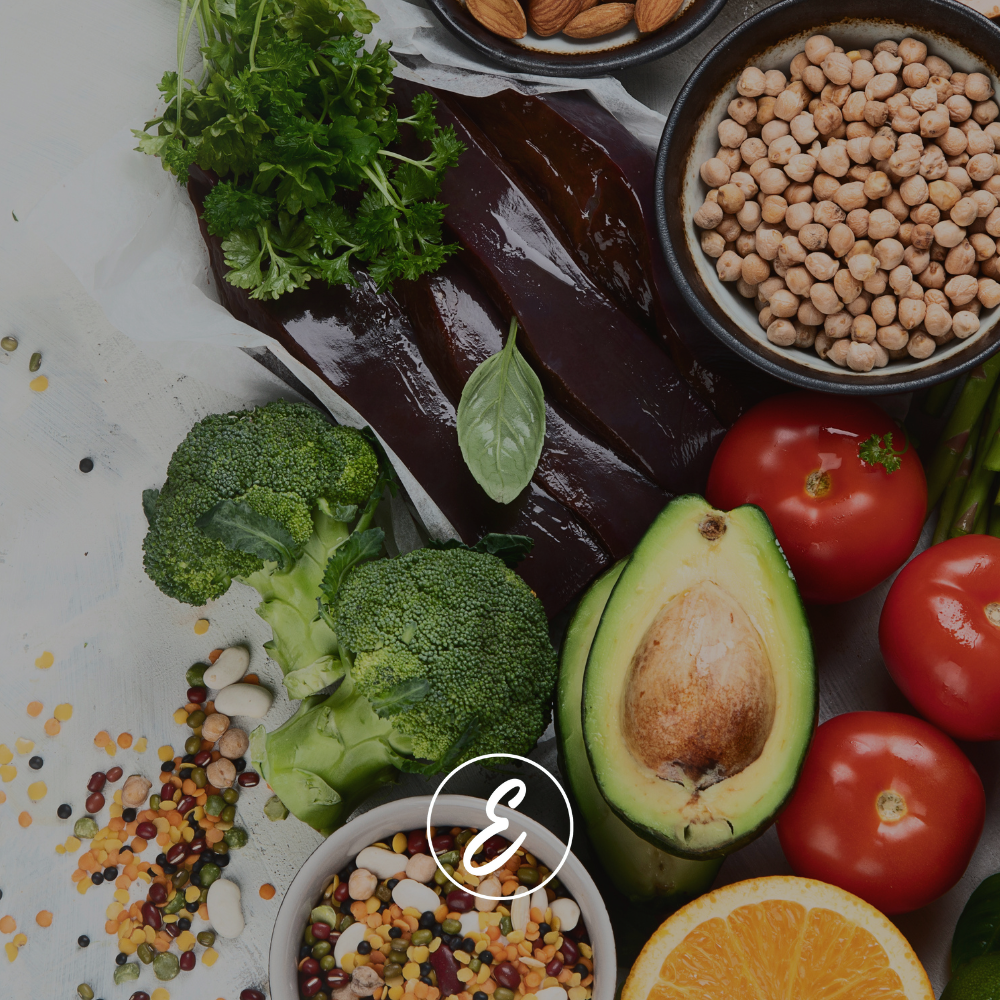
🥦 Where to Get More B Vitamins From Food
Here’s how to cover your bases naturally — no synthetic supplements needed unless clinically advised.
| B Vitamin | Best Food Sources |
|---|---|
| B1 (Thiamine) | Whole grains, seeds, pork, legumes |
| B2 (Riboflavin) | Dairy, eggs, almonds, mushrooms |
| B3 (Niacin) | Poultry, tuna, peanuts, whole grains |
| B5 (Pantothenic Acid) | Avocados, eggs, sweet potatoes, mushrooms |
| B6 | Bananas, chicken, potatoes, spinach |
| B7 (Biotin) | Egg yolks, salmon, nuts, seeds |
| B9 (Folate) | Leafy greens, lentils, asparagus, citrus |
| B12 | Meat, eggs, dairy, fortified non-dairy milks |
👉 Note: B12 is not found in plant-based foods unless fortified, so vegans should monitor and supplement if needed.
🌱 Tips to Absorb More B Vitamins
- Eat a variety of whole foods daily, not just once a week
- Combine iron-rich and B-vitamin foods (they work well together)
- Limit alcohol, which depletes B vitamins
- Improve gut health — absorption matters as much as intake
- Try gentle cooking methods like steaming or stewing, as B vitamins are water-soluble and can leach out during long boiling
🧡 Final Thoughts
B vitamin needs can spike during stress, busy periods, immune challenges, or seasonal changes. If you’re feeling more tired than usual, noticing skin changes, or constantly reaching for sugar or caffeine, your body might be calling for more of these crucial nutrients.