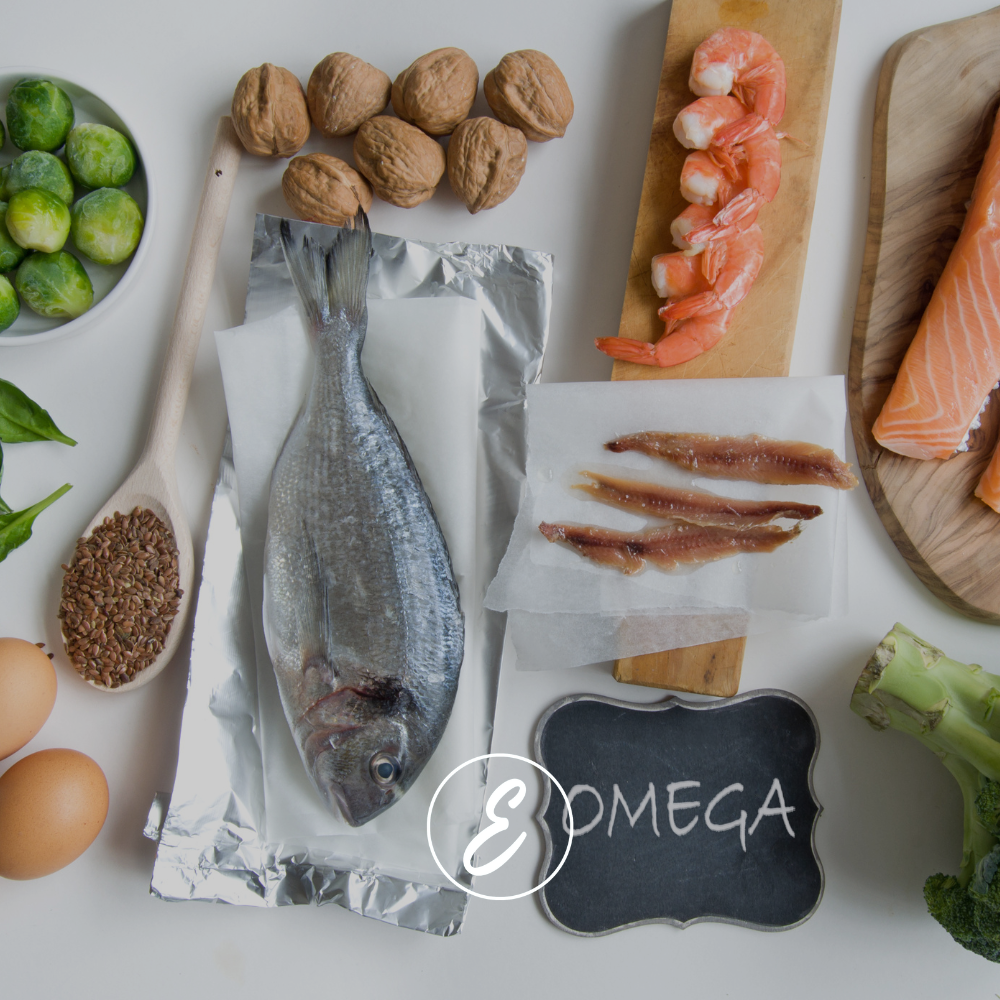
You’ve probably heard of Omega-3s — the “good fats” found in fish, flax, and fancy supplements. But what do they actually do, and why are they so important?
Spoiler: Omega-3s are essential for brain health, hormones, heart function, mood regulation, skin clarity, and reducing inflammation. And yet, most people simply don’t get enough.
Let’s break down how they work, the signs you may be lacking, and the easiest food-based ways to top up.
🧠 What Are Omega-3s?
Omega-3s are a family of essential fatty acids. Your body can’t make them — you need to get them through your diet.
There are three main types:
- ALA (alpha-linolenic acid): Found in plants like flaxseed and walnuts
- EPA (eicosapentaenoic acid): Found in oily fish
- DHA (docosahexaenoic acid): Found in oily fish, also critical for brain and eye health
EPA and DHA are the most potent — but they’re only found in animal sources (unless you use an algae supplement).
🚨 Signs You May Be Low in Omega-3s
Deficiency is incredibly common — especially if you don’t eat fish regularly or avoid fats due to outdated diet advice.
Look out for:
- Dry, flaky, or inflamed skin
- Brittle nails or dull hair
- Brain fog or forgetfulness
- Low mood or irritability
- Joint stiffness or ongoing inflammation
- Trouble concentrating or sleeping
- Period pain or hormonal swings
- Fatigue that won’t budge
❤️ Why Omega-3s Matter So Much
Omega-3s are anti-inflammatory, which is huge — because most modern diets are highly pro-inflammatory (hello seed oils, ultra-processed snacks, and hidden sugars).
Getting enough Omega-3s helps:
- Reduce the risk of heart disease
- Improve skin clarity and barrier function
- Support hormone balance (especially around menstruation and perimenopause)
- Ease anxiety and lift mood
- Improve joint flexibility and reduce pain
- Support children’s learning and focus
- Regulate blood sugar and reduce cravings
They also support gut health by protecting the gut lining and calming inflammation — a major bonus in your healing journey.
🐟 Best Food Sources of Omega-3s
You don’t have to eat salmon every day — but a little thoughtful planning goes a long way.
Top Animal Sources (High EPA & DHA):
- Sardines (cheap and easy!)
- Salmon or ocean trout
- Mackerel
- Herring
- Tuna (in moderation)
- Anchovies
- Pasture-raised eggs
- Grass-fed meats (higher than grain-fed)
Top Plant-Based Sources (ALA):
- Flaxseeds (ground)
- Chia seeds
- Walnuts
- Hemp seeds
- Seaweed or algae oil (for DHA if vegan)
💡 Note: The body only converts a small % of ALA to DHA/EPA, so if you’re plant-based, consider an algae supplement.
🍽️ Easy Ways to Get More Omega-3s Daily
- Add a spoonful of ground flax or chia to your oats or smoothies
- Make a walnut-based pesto or sprinkle them over roasted veggies
- Include oily fish 2–3 times a week (even tinned is fine!)
- Swap seed oils for extra virgin olive oil, ghee or avocado oil
- Consider a high-quality fish or algae oil supplement in winter or high-stress seasons
🧡 Final Thoughts
Omega-3s aren’t just “nice to have” — they’re essential for how you feel, think, and function. If you’re struggling with mood, inflammation, skin, or fatigue, checking your Omega-3 intake is a powerful place to start.