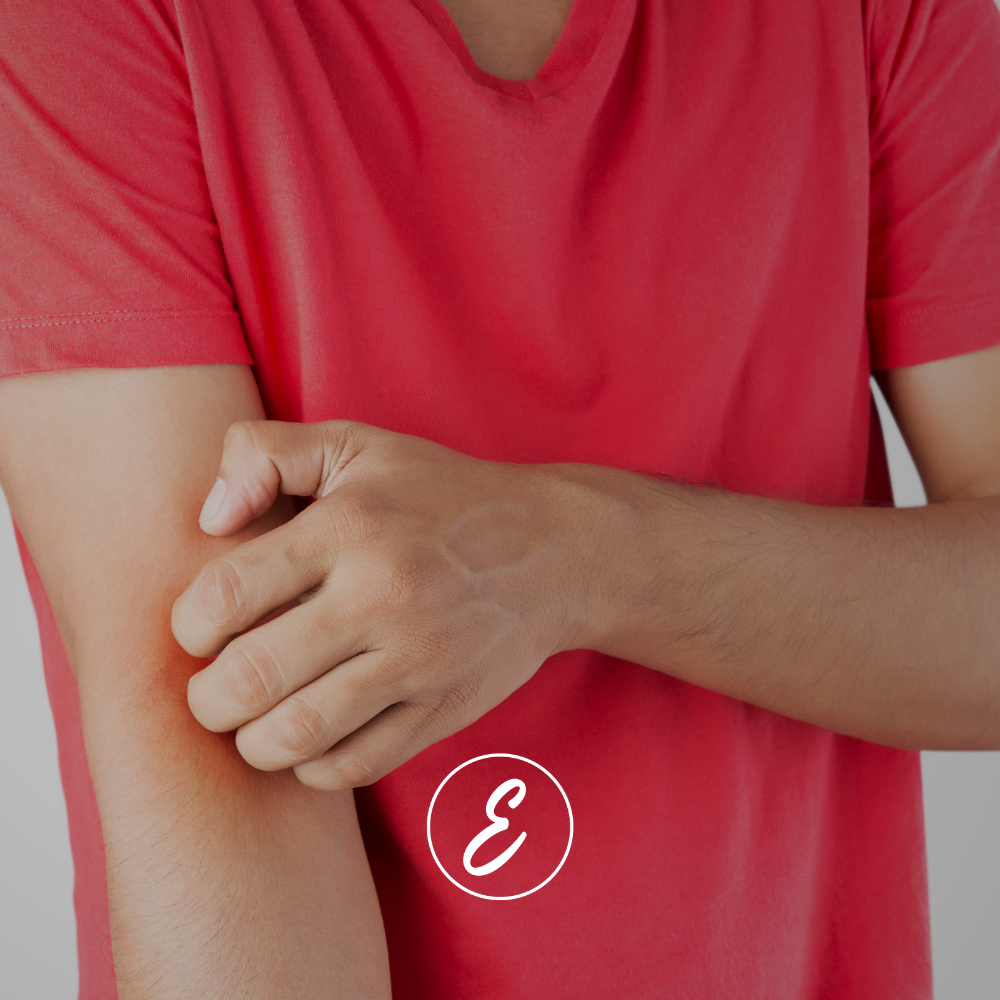
You might not think of your skin as having anything to do with your gut — but in many cases, it’s the first place signs of internal imbalance show up.
Dry patches, rashes, eczema, dermatitis, and other inflammatory skin conditions may be linked to what’s going on inside, not just what you apply on top. If you’ve tried every lotion and cream with no long-term relief, it might be time to consider your gut.
🩹 What’s the Difference Between Eczema and Dermatitis?
Both eczema and dermatitis refer to types of inflammatory skin conditions. While the terms are sometimes used interchangeably, here’s a quick distinction:
- Eczema (atopic dermatitis) is often chronic and linked to allergies or immune dysfunction. It can appear in infancy or childhood and may come and go with triggers.
- Contact dermatitis is usually caused by direct irritation — like detergents, perfumes, or certain fabrics.
Regardless of the type, both are signs of inflammation — and your gut plays a central role in managing that.
🧬 So What Does the Gut Have to Do With It?
The gut is home to 70–80% of your immune system. If your gut lining is damaged (often called “leaky gut”) or if your microbiome is imbalanced, your body becomes more sensitive to allergens, irritants, and inflammatory foods.
This can manifest as:
- Dry, flaky patches on the face or limbs
- Red, itchy outbreaks that don’t respond to creams
- Rashes that worsen after certain meals
- Children with both digestive and skin complaints
The body is often shouting through the skin when it’s not coping well on the inside.
👶 Gut-Skin Signs in Children
If your child experiences:
- Ongoing eczema flare-ups
- Tummy aches or irregular bowel movements
- Food intolerances or picky eating
- Mood swings or sleep disturbances
…their gut might need some support.
Often, helping the gut helps the skin — not the other way around.
🌿 Simple First Steps for Healing Both
You don’t need to overhaul your life, but some small changes can help reduce inflammation and support healing:
- Remove common irritants: cut back on ultra-processed foods, artificial additives, and excess sugar.
- Support the gut lining: with bone broth, gelatin, zinc, and glutamine-rich foods.
- Feed the microbiome: include prebiotic fibres (e.g. oats, garlic, leeks) and fermented foods like kefir or sauerkraut (if tolerated).
- Hydrate + sleep: both are vital for skin repair and gut function.
- Trial elimination if needed: gluten and dairy can trigger flares in some individuals — but reintroduction should be done with care.
💬 When to Get Help
If your child’s skin condition is worsening, or you’re not sure where to begin with gut healing, a personalised review can help uncover the triggers and create a sustainable plan.
You don’t have to rely on creams forever — often, true healing begins with what’s on the plate.