Introduction
We often think of mental health as something that starts in the mind.
Stress, overwhelm, anxiety, low mood — they’re usually seen as emotional or psychological experiences. And while that’s absolutely true, there’s another layer that often gets missed.
Your body plays a role too.
More specifically, your gut.
This isn’t about suggesting food is a “fix” for mental health. It’s not that simple. But what we eat — and how well we digest and absorb it — can either support how we feel, or quietly make things harder.
What Is the Gut–Brain Connection?
Your gut and your brain are in constant communication.
This is often referred to as the gut–brain axis — a two-way system where signals are sent back and forth all day long.
Your gut:
- Produces a large portion of your serotonin (the “feel good” chemical)
- Communicates with your nervous system
- Responds to stress and emotional changes
Your brain:
- Influences digestion (ever lost your appetite when stressed?)
- Responds to inflammation and nutrient levels
So when your gut is under strain, your mind can feel it too.
How Poor Gut Health Can Affect Mental Wellbeing
When your diet is heavily processed, low in nutrients, or your digestion isn’t functioning well, a few things can start to happen:
1. Blood Sugar Instability
Meals high in sugar and refined carbohydrates can create spikes and crashes in blood sugar.
This can show up as:
- Irritability
- Anxiety-like feelings
- Fatigue
- Difficulty concentrating
It’s not just physical — it affects how steady you feel mentally.
2. Reduced Nutrient Availability
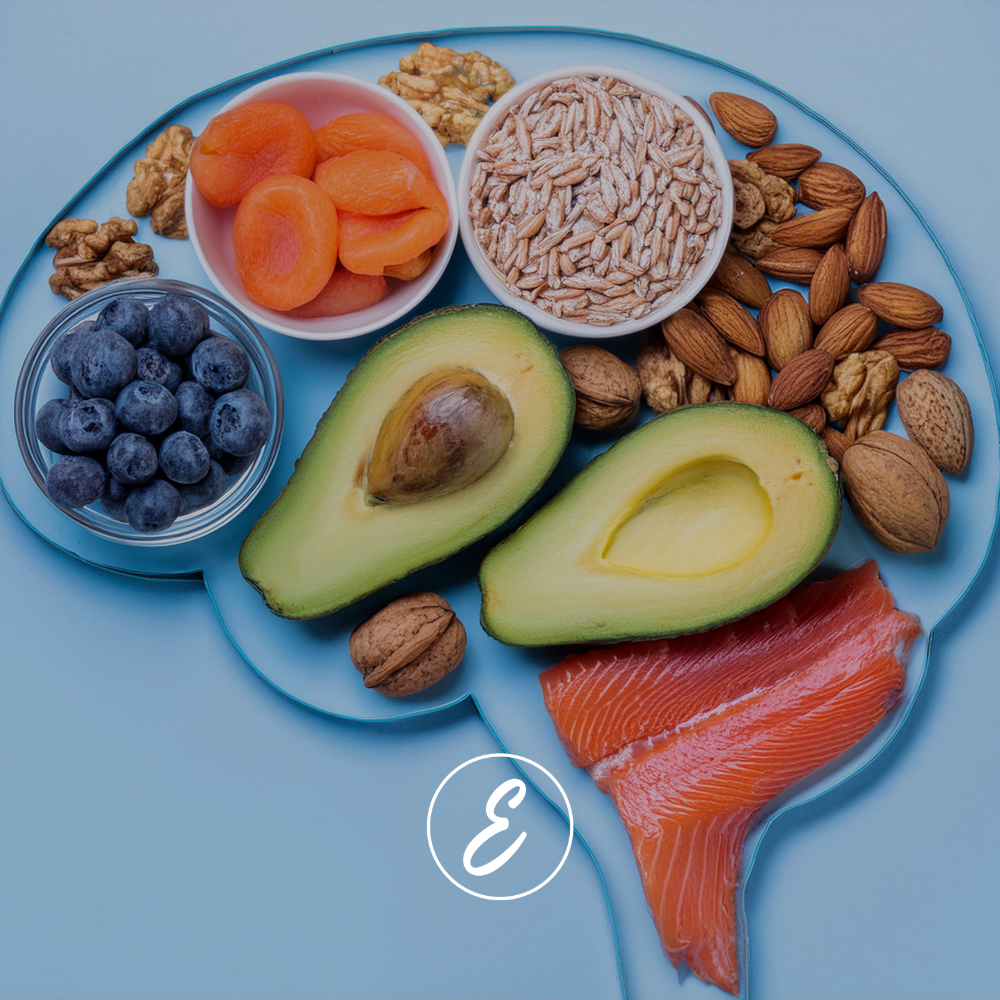
Your brain relies on nutrients like:
- B vitamins
- Magnesium
- Omega-3 fatty acids
- Iron
If your diet is lacking, or your gut isn’t absorbing well, your brain simply doesn’t get what it needs to function at its best.
3. Inflammation and Gut Imbalance
An imbalanced gut (often called dysbiosis) can lead to low-grade inflammation.
This has been linked to:
- Low mood
- Increased anxiety
- Brain fog
Again, it’s not the sole cause — but it can contribute.
4. The Stress Loop
Stress impacts digestion… and poor digestion can increase stress.
This creates a loop:
- Stress → disrupted digestion
- Poor digestion → discomfort, bloating, fatigue
- Physical discomfort → increased stress or low mood
Breaking that cycle gently is often where real progress starts.
So… How Long Does It Take to Feel Better?
This is one of the most common questions — and the answer is reassuring.
You don’t need months of perfection to notice a difference.
Within a few days to a week:
- Blood sugar stabilises
- Energy becomes more consistent
- Fewer sharp highs and lows
Within 2–4 weeks:
- Digestion often improves
- Bloating may reduce
- Sleep can start to feel more settled
Within 4–8 weeks:
- Mood can feel more stable
- Anxiety may lessen
- Mental clarity improves
This doesn’t mean everything disappears — but many people notice they feel more like themselves again.
What Actually Helps (Without Overwhelm)
This isn’t about strict diets or cutting everything out.
It’s about giving your body what it’s been missing.
Start with:
1. Balanced Meals
Include protein, healthy fats, and fibre at each meal to stabilise energy.
2. Reduce Highly Processed Foods
Not eliminate — just reduce reliance.
3. Support Your Gut
- Add fermented foods like yoghurt or kefir
- Include fibre-rich vegetables and legumes
4. Eat Regularly
Skipping meals or long gaps can worsen blood sugar dips and mood swings.
5. Stay Hydrated
Simple, but often overlooked — dehydration affects energy and focus.
A Gentle Reminder
Mental health is complex.
Food is not a replacement for support, therapy, or medical care where needed.
But it is a foundation.
And when that foundation is stronger, everything else tends to feel a little more manageable.
The Takeaway
If you’ve been feeling:
- Flat
- Anxious
- Foggy
- Or just not quite yourself
It might be worth looking beyond just “stress” or “being busy.”
Your gut and your mind are connected.
And sometimes, small changes to how you eat can quietly support how you feel — day by day, without needing to overhaul your entire life.
—
Want to go a bit deeper?
If you’re working on improving your digestion or rebuilding food tolerance, I’ve put together a simple starting point:
It walks through:
• common gut symptoms
• simple food changes
• how to start reintroducing foods