Menopause is often spoken about as a single event, but for many women it feels more like a gradual transition.
The hot flushes and changing periods tend to get the attention, but beneath the surface there are many other changes taking place. Muscle mass naturally declines, bone density becomes more important, sleep can become disrupted, and energy levels often fluctuate.
While there is no single “menopause diet”, nutrition can play an important role in supporting your body through this stage of life.
The goal isn’t to eat perfectly.
The goal is to nourish your body well enough that it has the resources it needs to adapt.
What Changes During Menopause?
Menopause occurs when a woman has gone 12 months without a menstrual period.
At this stage, oestrogen and progesterone levels remain consistently lower than they were during the reproductive years.
These hormonal changes can influence:
- Bone health
- Muscle maintenance
- Cholesterol levels
- Blood sugar regulation
- Body composition
- Sleep quality
- Energy levels
Many women notice that the habits that worked in their thirties no longer seem as effective.
This isn’t because you’ve suddenly become lazy or undisciplined.
Your body is simply working with a different hormonal environment.
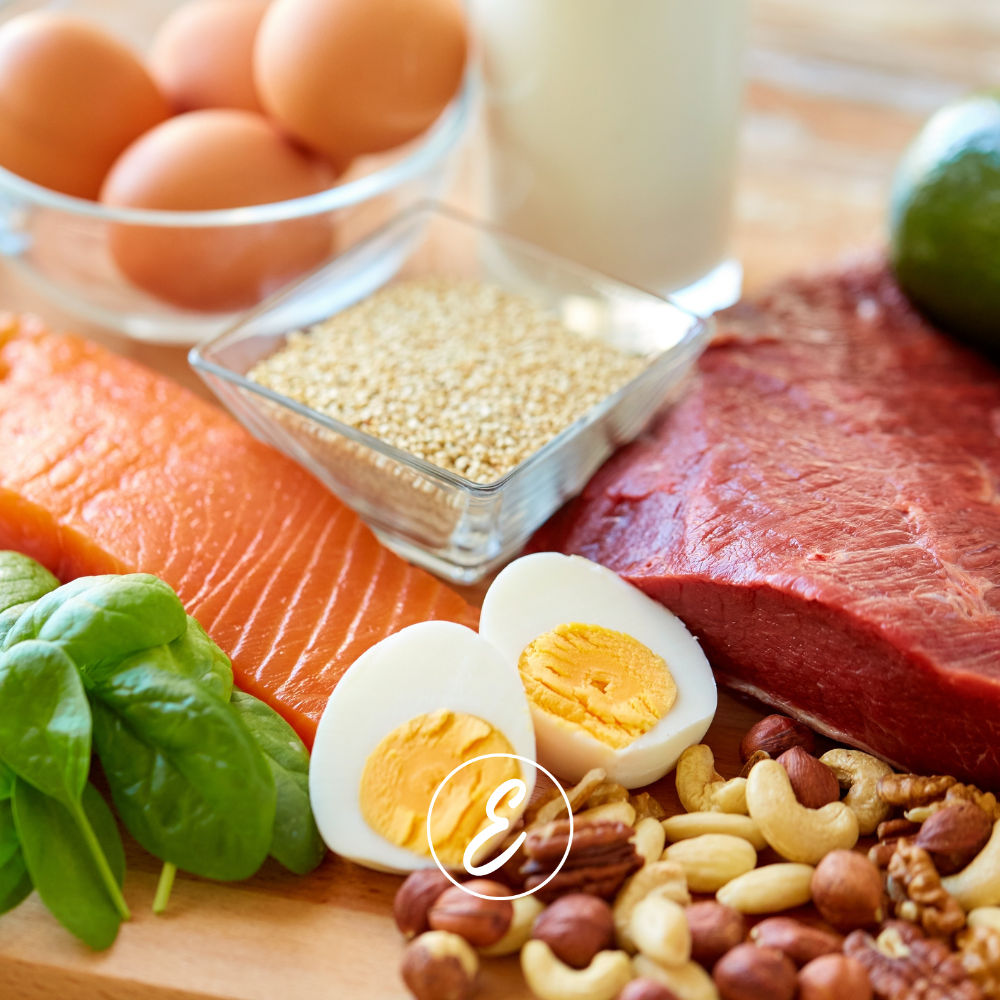
Protein Becomes More Important
One of the most overlooked aspects of menopause nutrition is protein.
Muscle mass naturally declines with age. This process can accelerate during and after menopause.
Maintaining muscle isn’t just about appearance.
Muscle helps support:
- Strength and mobility
- Healthy metabolism
- Blood sugar control
- Balance and injury prevention
Including protein at every meal can help support muscle maintenance.
Good choices include:
- Eggs
- Fish
- Greek yoghurt
- Cottage cheese
- Lean meat
- Legumes
- Tofu
Looking After Bone Health
Women can lose bone density more rapidly after menopause due to lower oestrogen levels.
Supporting bone health should become a lifelong priority.
Important nutrients include:
Calcium
Found in:
- Dairy foods
- Sardines
- Calcium-set tofu
- Leafy greens
Vitamin D
Vitamin D helps the body absorb calcium effectively.
Sources include:
- Sunlight exposure
- Oily fish
- Fortified foods
Magnesium
Magnesium supports bone health and may also assist with sleep and muscle function.
Sources include:
- Nuts
- Seeds
- Wholegrains
- Legumes
Fibre for Gut and Heart Health
Many women are surprised to learn that menopause can influence digestive health.
A healthy, fibre-rich diet can support:
- Gut health
- Cholesterol levels
- Blood sugar regulation
- Satiety
Aim to include a variety of:
- Vegetables
- Fruit
- Oats
- Legumes
- Nuts
- Seeds
Don’t Fear Healthy Fats
Healthy fats are important for overall wellbeing and may help support heart health.
Good options include:
- Olive oil
- Avocado
- Nuts
- Seeds
- Oily fish
A Simple Menopause-Friendly Day of Eating
Breakfast
Greek yoghurt topped with berries, walnuts and chia seeds.
Lunch
Lentil and vegetable soup with sourdough.
Snack
Apple slices with cheese.
Dinner
Salmon tray bake with sweet potato and seasonal vegetables.
Dessert
Natural yoghurt with cinnamon.
Focus on Addition, Not Restriction
Many women spend years removing foods in pursuit of better health.
Instead of asking what you should cut out, consider asking:
“What can I add that my body may need more of now?”
More protein.
More vegetables.
More fibre.
More nourishing meals.
Menopause isn’t the end of feeling well. It may simply be the beginning of learning what your body needs next.