If you’ve ever tried to plan a “perfect” kitchen garden, you’ll know how quickly it becomes overwhelming.
Seed charts, planting calendars, succession planting, soil schedules — it can feel like you need a full-time job just to keep up.
The reality for most of us is very different.
Life gets busy. Kids get sick. Weather changes. And the garden ends up somewhere between planned and half done.
The good news is you don’t need a perfect system to grow good food.
You just need a realistic one.
The Goal Isn’t Constant Harvest — It’s Consistent Progress
A lot of garden advice focuses on having something ready to harvest all year round.
That’s great in theory, but in real life it’s hard to maintain.
A better goal is this:
Keep something growing
Keep your soil improving
Keep a few reliable crops in rotation
That alone puts you ahead.
When to Start Seeds (Without Overthinking It)
You don’t need to start everything at once.
A simple rhythm works better.
At the start of each season, pick 2–3 things to grow.
Mid-season, start another small batch.
That’s it.
In winter, this might look like:
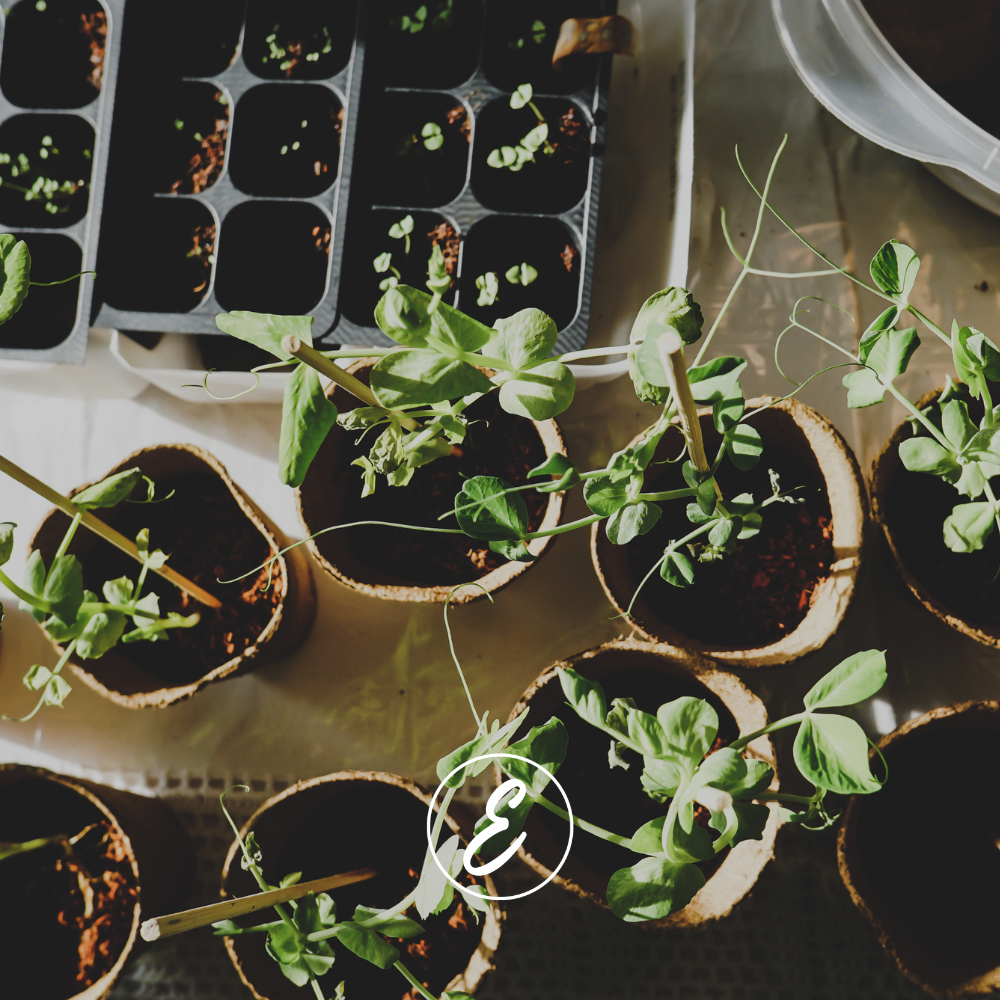
Starting leafy greens indoors
Getting herbs going on a windowsill
Using a greenhouse if you have one
If it’s too cold outside, bring it in. A small tray of seeds on a windowsill is enough to keep things moving.
What to Plant (Focus on What You’ll Actually Eat)
This is where most gardens fall apart.
We plant what we think we should grow, not what we actually use.
Start with:
Leafy greens you eat regularly
A few herbs you cook with often
1–2 vegetables your family will actually eat
That’s enough.
It’s better to have a small, productive garden than a large one that goes to waste.
Feeding Your Plants (Keep It Simple)
Feeding schedules can get complicated quickly, but they don’t need to be.
A simple approach works well:
Add compost when preparing beds
Top up with compost or organic matter every few weeks
Use liquid feed (like seaweed or compost tea) every 2–4 weeks if you have it
That’s enough to keep things healthy.
You’re not trying to maximise yield at all costs. You’re trying to build good soil over time.
Protecting Your Garden (Especially in Winter)
Frost, wind, and cold temperatures slow everything down.
But they don’t stop you.
Use simple protection where you can:
Mulch to protect soil
Cloches (even old milk cartons) for seedlings
Greenhouses if you have them
You don’t need expensive setups. Simple solutions work just as well.
Reality vs Wishful Thinking
A perfect garden looks like:
Everything planted on time
Nothing gets eaten by pests
Harvests every week
Beds always neat
A real garden looks like:
Some things grow well, some don’t
You forget to water sometimes
A few things get eaten
You adjust as you go
And that’s fine.
Because over time, even an imperfect garden produces food, improves soil, and becomes easier to manage.
A Simple, Real-Life Routine
If you want something to follow, keep it basic:
Each weekend (or when you can):
Check what needs watering
Add compost or mulch where needed
Plant a small amount (not everything)
Harvest what’s ready
You don’t need more than that.
The Takeaway
You don’t need to run your garden like a system.
You just need to keep it moving.
Small, consistent effort will always beat perfect planning that never gets finished.
Final Thought
The best garden isn’t the most productive one.
It’s the one you can keep up with.
And the one that keeps feeding you — season after season.