There are plenty of systems designed to make eating well easier.
Meal planning. Batch cooking. Sunday meal prep. Freezer inventories. Perfectly labelled containers stacked in the fridge.
They can all be useful.
But I also know what real life looks like.
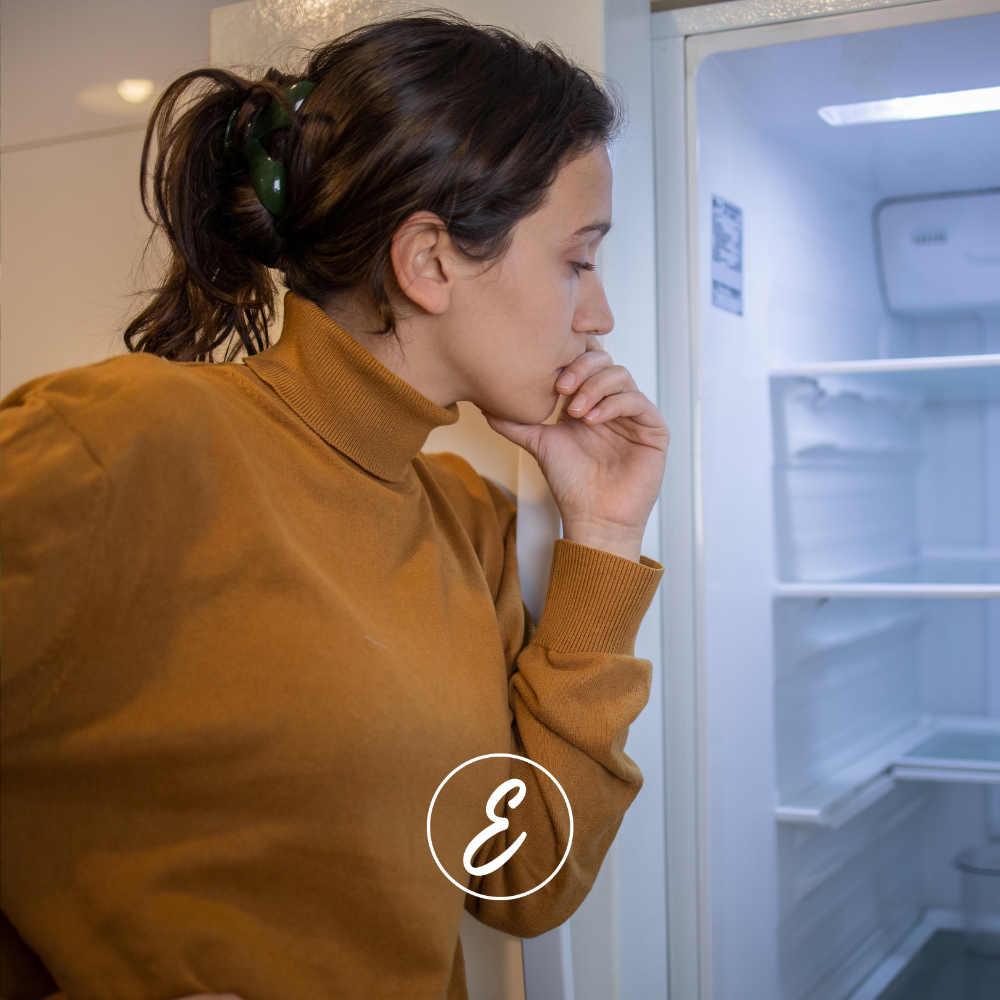
The kids ate all the eggs. A meeting ran over. Someone needs picking up from sport. You forgot to defrost the chicken. You’re standing in front of the pantry at lunchtime with absolutely no idea what you want to eat, despite knowing perfectly well that the house is full of food.
I cook a lot, and even I do this.
So rather than trying to become more organised, I’ve started thinking about food in a slightly different way:
Make the next meal easier than the last one.
That’s it.
Not perfect meal prep. Not a seven-day menu you have to follow. Just one small thing you can do now that takes some of the effort out of feeding yourself or your family later.
The Problem Isn’t Always Food. Sometimes It’s Decisions.
By the time we get hungry, we’ve often already made hundreds of decisions.
Work. Children. School. Appointments. Bills. Laundry. Emails. Pets. Dinner. Life.
Then lunchtime arrives and we’re expected to open the fridge and suddenly become inspired.
Instead, we stare.
We grab an apple or a cracker because it’s easy, go back to work, and twenty minutes later we’re looking for something else because we never really ate lunch.
This is particularly easy to do when you work from home. Somehow being twenty steps from the kitchen creates the illusion that there is endless time to make yourself something later.
There isn’t.
Sometimes the most useful thing you can do is make the decision before you’re hungry.
Think One Meal Ahead
This is where the idea becomes very simple.
If I’m cooking rice tonight, I might cook an extra cup.
If the oven is already on, I can put in another potato or sweet potato.
If I’m roasting vegetables, I’ll cook more than we need.
If I’m opening a tin of chickpeas, the rest can become tomorrow’s salad or Bitsa Bowl.
If I’m making sourdough, I make more than one loaf.
If herbs are abundant in the garden, I’ll dry some rather than waiting until I’ve run out.
None of this feels like traditional meal prep because I’m not creating an entirely separate job.
I’m simply taking advantage of the job I’m already doing.
Future Me gets the benefit.
Sometimes It Doesn’t Go to Plan
This is important.
Making the next meal easier doesn’t mean deciding exactly what that next meal has to be.
I once cooked extra fragrant vegetable rice underneath a roast chicken, planning to turn it into egg fried rice the following evening.
My son didn’t like it.
His explanation was difficult to argue with:
“Mum, I like broccoli and ice cream. It doesn’t mean I want broccoli-flavoured ice cream.”
Fair enough.
The chicken became a Bitsa carbonara instead and my husband took the rice for lunch.
The original plan failed.
The food didn’t.
That’s the difference.
You’re creating options, not obligations.
Start With a Base
One of the easiest ways I’ve found to make future meals simpler is to have a base ready.
That might be black rice, brown rice, quinoa, couscous, a baked potato, roasted sweet potato, pasta, soup or even a decent piece of sourdough.
Then you build around it.
Add vegetables.
Add protein.
Add herbs, pickles, seeds or something crunchy.
Suddenly the question isn’t:
“What am I going to cook?”
It’s:
“What can I add to this?”
That’s a much easier question to answer.
The 11am Rule
I’ve started thinking about this particularly on work-from-home days.
Around 11am, I need a reminder that lunchtime is coming whether I’m prepared for it or not.
That is the moment to put a potato in the oven, start some black rice simmering, take soup out of the freezer or pull leftovers forward where I can actually see them.
Two minutes at 11am can stop 1:30pm becoming three crackers, another coffee and the sudden realisation that I’m starving.
It isn’t really meal planning.
It’s a decision remover.
Don’t Forget to Feed Yourself
This is perhaps the part I care about most.
We can become very good at making sure everyone else has food.
The children’s lunchboxes are stocked.
There’s fruit for school.
Dinner has been considered.
The freezer contains something everyone else will eat.
But what about you?
When my children were babies, my mum used to make me simple grazing plates. Cheese, pickles, crackers, fruit, eggs — little things I could eat without needing to plan, cook or even sit down properly.
At the time I was exhausted, hungry and feeding around the clock.
Looking back, the lovely thing wasn’t what was on the plate.
It was that somebody had remembered that I needed feeding too.
That’s something I’ve carried with me.
Whether you’re feeding a baby, working from home, caring for someone else or simply having one of those weeks, your food doesn’t need to be elaborate to matter.
What This Looks Like in Real Life
Making the next meal easier might mean cooking extra rice tonight.
It might mean putting tomorrow’s soup in the fridge.
It might mean keeping tuna, beans and good crackers in the pantry because you know those ingredients can become lunch in five minutes.
It might mean washing the lettuce when you bring it home rather than when you’re already hungry.
It might mean making enough roast chicken for tomorrow.
Or it might simply mean putting food on a plate instead of standing at the pantry eating bits and pieces while convincing yourself you’ve had lunch.
Small things count.
In fact, small things are the point.
You Don’t Need to Be More Organised
I don’t want this to become another system you’re failing to follow.
Some weeks I’ll be beautifully prepared.
Other weeks I’ll forget to feed the sourdough, discover the children have eaten every egg in the house and find myself looking blankly into a very well-stocked pantry.
That’s life.
The aim isn’t to predict every meal.
It’s to create little opportunities that make the next decision easier.
Mrs E Tip
When you’re already cooking, ask yourself:
What tiny thing could I do now that Future Me will appreciate?
Cook another potato.
Make extra rice.
Save the chicken.
Freeze two portions.
Wash the greens.
Put something aside for lunch.
You don’t have to reorganise your entire kitchen or spend Sunday afternoon meal prepping.
Just make one small decision while you’re already there.
Final Thoughts
Eating well doesn’t always require more information.
Sometimes it requires fewer decisions.
A stocked pantry helps. A freezer meal helps. A garden full of herbs helps. Having leftovers helps.
But the most useful habit might simply be remembering that the meal you’re making now can quietly help with the one that comes next.
Not perfectly.
Not every time.
Just often enough to make life a little easier.
Make the next meal easier than the last one.
I think that’s enough.