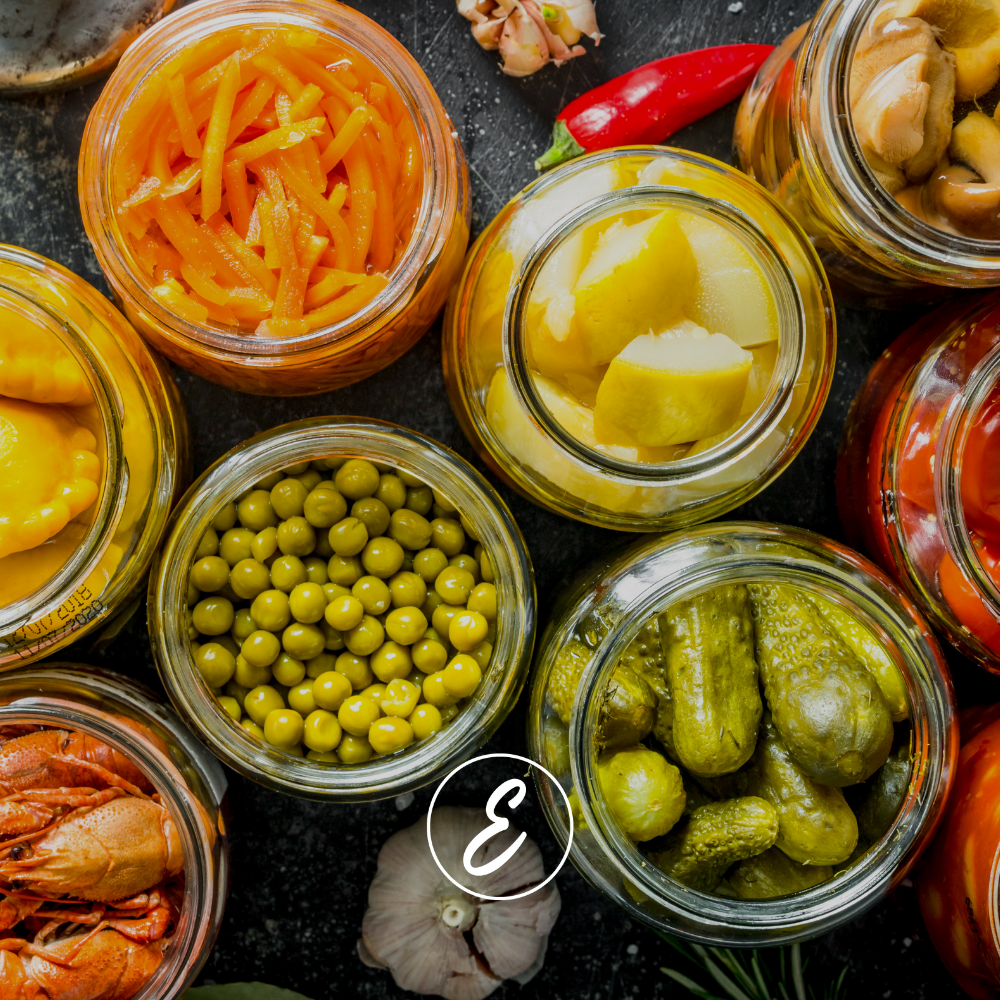
How to connect your garden, kitchen, pantry and freezer into one useful seasonal system.
A pantry is usually pictured as a cupboard: shelves, jars, tins and perhaps an alarming number of half-used packets held shut with pegs.
But the most useful pantry extends well beyond the cupboard. It includes the herbs outside the kitchen door, tomatoes ripening in the garden, stock in the freezer, onions curing in a dry place, seeds waiting for the next season and the knowledge to turn all of it into dinner.
I think of this as a living pantry. Food moves through it. We grow or buy what is abundant, eat it fresh, preserve some for later and use those stores before the next harvest arrives. Nothing stays frozen in time—not even the mysterious jar at the back.
The four parts of a living pantry
A resilient household food system can be divided into four connected areas: what you grow, what you buy, what you preserve and what you routinely cook.
If one area is missing, the system becomes less useful. Growing thirty kilos of zucchini without a plan to eat or preserve it creates work, not security. Buying bulk food without rotating it creates waste. Filling a freezer without an inventory creates an archaeological dig.
The aim is flow.
1. Grow what you use
Begin with the kitchen, not the seed catalogue. What do you cook every week? Which ingredients are expensive, difficult to find, frequently wasted in shop-sized bunches or dramatically better when freshly picked?
Herbs, leafy greens, beans, tomatoes, spring onions and zucchini often deliver regular harvests from modest space. Potatoes, pumpkins, onions and garlic require more time or room but can provide useful volume and storage. Fruit trees and perennial herbs take patience, yet they strengthen the pantry year after year.
You do not need acreage. A sunny balcony can grow herbs and salad leaves. A small garden can use climbing frames, succession sowing and cut-and-come-again crops. A large garden still needs restraint; more beds do not automatically create more usable food. They can, however, create more weeding.
Plan for a harvest, not just a planting
When you sow a crop, decide what will happen if it succeeds.
Will you eat beans fresh, blanch and freeze some, or allow selected pods to mature for seed? Will tomatoes become sauce, frozen chopped tomatoes, relish or roasted freezer packs? Will herbs be used fresh, dried, turned into pesto or frozen in suitable portions?
This small shift changes the garden. You start choosing quantities and varieties according to their final use. A handful of cherry tomatoes is wonderful for grazing; paste tomatoes make sauce less watery; storage pumpkins earn their keep well after summer.
2. Buy with the seasons
A living pantry does not require growing everything yourself. That would be a full-time job, and most of us already have several of those disguised as family life.
Farmers’ markets, roadside stalls, local growers, co-ops and ordinary supermarkets all have a place. When produce is in season, it is often better in quality and price. Buy enough to enjoy fresh first, then preserve an amount you can realistically process and use.
Bulk buying only saves money when the food is eaten. Six boxes of peaches are not a bargain if they soften while you are looking for jars. Start with one extra tray, bag or bunch and build your preserving confidence gradually.
3. Preserve by the safest, simplest method
Preserving does not always mean an entire weekend of boiling jars. Choose the method that suits the food, your equipment and the way your household eats.
Freezing is often the easiest place to begin. Freeze chopped herbs, grated zucchini, berries, sliced bananas, cooked beans, stock, sauces and ready-to-use portions of leftovers. Blanch vegetables where recommended to help preserve quality.
Drying works well for many herbs and some fruits and vegetables when done correctly. Fermentation can extend vegetables while creating distinctive flavours. Bottling and canning can be useful, but acidity, processing method, time, temperature and jar preparation all matter.
Use current, tested recipes from reputable food-safety authorities for shelf-stable preserving. Do not improvise processing times, reduce acid or assume that an old family method is safe because nobody remembers becoming ill. Low-acid foods require particular care and appropriate pressure-canning guidance and equipment. When in doubt, freeze it.
4. Cook from the pantry every week
Stored food only becomes valuable when it returns to the table.
Choose one regular pantry meal each week: pasta with tomatoes and beans, soup with freezer stock, fried rice with frozen vegetables, fish cakes with tinned fish, a tray bake using preserved herbs, or a Bitsa dinner that gathers small leftovers into something new.
This regular use keeps food rotating and exposes gaps. You discover which jars everyone avoids, which frozen portions are too large and which staples disappear twice as quickly as expected. That information is more useful than any generic pantry list.
Create a simple seasonal rhythm
A living pantry becomes easier when each season has a small set of jobs.
In spring, sow warm-season crops at the right time for your climate, use the final cool-weather produce and clear freezer space for future harvests. In summer, harvest often, eat fresh food generously and preserve manageable batches while produce is at its best. In autumn, cure and store suitable crops, save seed, bottle or freeze late harvests and begin cool-season planting. In winter, cook from stores, review what was genuinely useful, repair equipment and plan the next growing year.
Your local rhythm may be completely different. In the Southern Highlands, late frosts can make spring planting an exercise in patience, while other parts of Australia are already managing heat. A living pantry follows local conditions, not a decorative four-season chart.
Keep an inventory you will actually maintain
The best system is the one you will update.
Keep a whiteboard, notebook or simple list divided into pantry, freezer and preserves. Record larger quantities and prepared meals rather than every teaspoon of spice. Put new food behind older food, label frozen items with the name and date and group similar ingredients together.
Once a month, choose several items that need using and build them into the meal plan. This is particularly helpful before a new harvest or a major seasonal shop. Space is part of the pantry too; using last season’s food makes room for the next.
Think in loops
The living pantry is full of small loops.
Vegetable trimmings become stock. Stock becomes soup. Stale bread becomes crumbs. Crumbs top a tray bake. Herb flowers feed pollinators. Selected plants produce seed. Kitchen scraps become compost where appropriate. Compost returns to the soil.
Not every scrap must be rescued, and not every loop will happen perfectly. The point is to notice the next useful destination before automatically reaching for the bin.
A practical way to start
Choose one ingredient your household uses often and follow it through the whole system.
Take tomatoes. Grow two or three suitable varieties, buy extra local tomatoes when they are abundant, eat them fresh, roast and freeze some, make a tested preserve if you wish, save appropriate seed and use the frozen tomatoes through winter sauces and soups.
Or begin with herbs. Grow parsley, oregano and chives, use them fresh, dry or freeze the surplus and let selected flowers support insects and produce seed. Small loops count.
The pantry as a way of living
A living pantry is not about achieving complete self-sufficiency. Very few households ever have, and most historical communities relied on exchange, trade and shared skills.
It is about becoming a little more capable and a little less wasteful. It is knowing what is in season, keeping useful food on hand, growing what makes sense and preserving enough to carry some abundance forward.
Most importantly, it keeps the pantry connected to family life. Food is not stored simply so we can admire our preparedness. It is stored to become porridge on a cold morning, tomato sauce on a busy Tuesday and soup made from last season’s garden when the weather closes in.
Grow it. Buy it well. Preserve it safely. Then eat it—because that is what the pantry was for all along.
Part of The Resilient Pantry series by At Home with Mrs E.