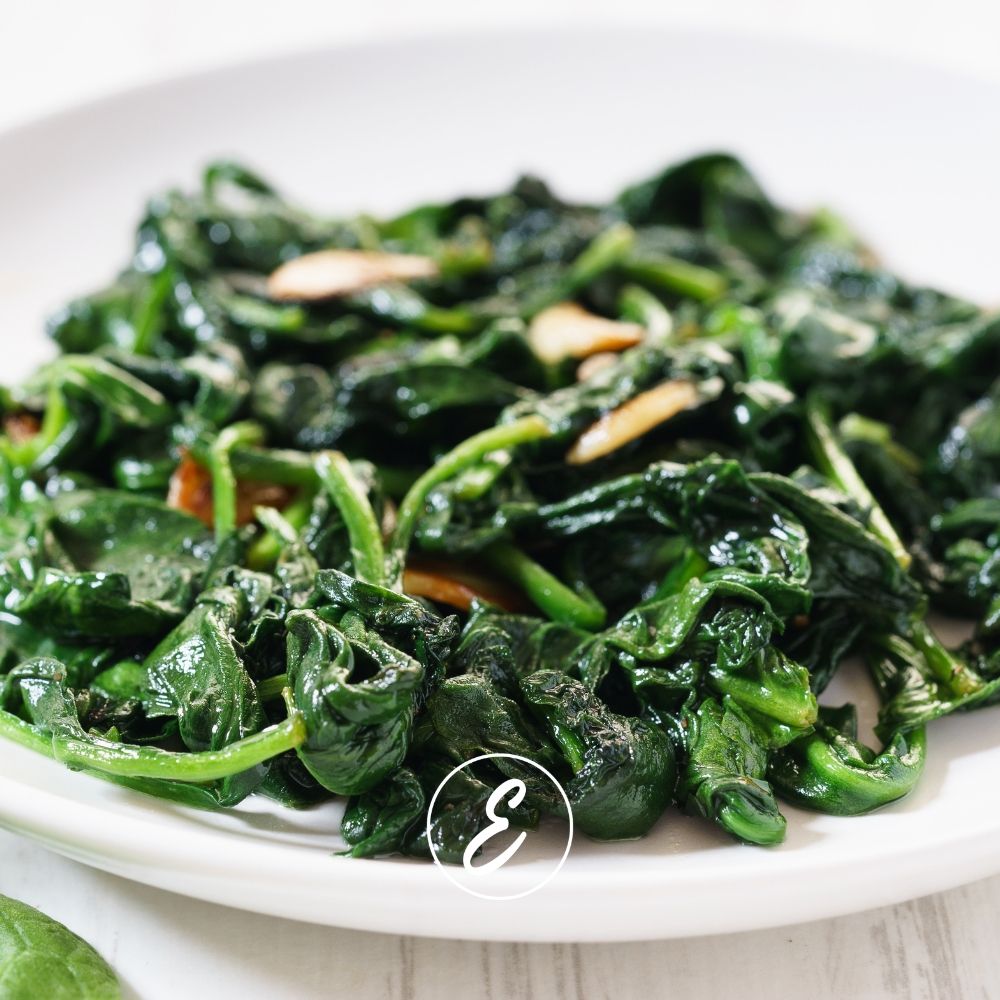
Before buying seeds, building raised beds or ordering a greenhouse, start with the food your family actually eats.
An acre sounds enormous when you’re standing in the middle of it.
It’s approximately 4,047 square metres. Enough space to grow a remarkable amount of food — and, if you get carried away, enough space to create a remarkable amount of work.
As we plan the food-growing area at Jaspire Estate, I’ve been thinking about how to make an acre genuinely productive.
Not simply beautiful. Not a garden filled with every vegetable in the seed catalogue.
A working food garden that supports our family, our kitchen and the way we want to live.
Because growing food is only half the equation.
You also have to harvest it, wash it, store it, cook it and, ideally, eat it before it spoils.
So before we build anything, we’re starting with the food.
1. Plan Your Meals Before Your Garden Beds
This might sound backwards, but I think it’s the most sensible place to begin.
What does your family eat every week?
Do you use onions almost every evening? Are tomatoes a staple? Do you go through mountains of leafy greens? Do you cook with fresh herbs?
What do you buy regularly that could realistically grow in your climate?
And what do you buy occasionally, but wouldn’t particularly miss if it disappeared from the shopping list?
These questions matter because the most productive garden isn’t necessarily the one with the greatest number of crops.
It’s the one that produces food you actually use.
For our family, I want plenty of everyday vegetables, herbs, greens and ingredients that can be used across several meals.
I’m particularly interested in vegetables that can be eaten fresh, cooked in different ways or preserved for later.
That gives us more flexibility and less waste.
2. Decide What Deserves the Most Space
Not every crop needs the same amount of room.
A few herbs can provide flavour for hundreds of meals.
One healthy zucchini plant can produce an astonishing amount of food.
Potatoes, pumpkins and onions need more growing space if you want meaningful quantities for storage.
And some vegetables are worth growing for their freshness rather than their volume.
I find it helpful to divide crops into four groups.
Everyday essentials
The vegetables and herbs we use constantly: greens, spring onions, carrots, tomatoes, beans and cooking herbs.
High-value fresh crops
Things that are particularly good freshly picked, expensive to buy or difficult to find locally in good condition.
Storage and preserving crops
Potatoes, pumpkins, onions, garlic, tomatoes for sauce and anything we can freeze, dry or preserve safely.
The experimental corner
Unusual varieties, new crops and the things I simply want to try.
There should always be room for experimentation. But I don’t want the experimental corner taking over the entire food supply.
3. How Much Should You Actually Grow?
This is where garden planning becomes practical.
Seed packets often tell you how far apart to plant things, but they don’t tell you how many plants your family needs.
And those are very different questions.
Take lettuce.
If your household eats two lettuces a week, planting twenty all at once probably isn’t the answer. You may end up with an enormous harvest followed by several weeks with nothing ready.
A better approach is to plant smaller quantities regularly, allowing for the growing season and how quickly the crop matures.
The same applies to radishes, carrots, beetroot and many leafy vegetables.
Other crops behave differently.
Tomatoes can produce over an extended period, depending on variety and conditions. Garlic is generally planted for one main harvest. Potatoes can be grown in successive plantings where the season allows.
So rather than starting with the number of beds, start with a simple calculation:
How much do we eat × how often do we eat it × how long is the growing season?
Then consider realistic yields, crop failures, pests and how much you intend to preserve.
For a first season, I’d rather grow slightly less of a crop and learn from it than plant enormous quantities without knowing where they’ll go.
4. Divide the Acre Into Working Areas
An acre doesn’t need to be one enormous rectangle of vegetable beds.
In fact, I think dividing it into practical growing areas makes much more sense.
For Jaspire Estate, we’re considering a mixture of raised beds, in-ground growing, a greenhouse, perennial crops and spaces for composting and garden infrastructure.
<text></text>
The kitchen garden
Closest to the house or kitchen access, this should contain the things we pick regularly: herbs, salad greens, spring onions and vegetables used almost daily.
Nobody wants to walk the length of an acre in the rain for three sprigs of thyme.
The main vegetable beds
This is where we’d grow our regular seasonal crops: beans, tomatoes, brassicas, root vegetables and other family staples.
The bulk-growing area
Some crops are better suited to larger in-ground spaces than expensive raised beds.
Think pumpkins, potatoes and other crops grown in quantity.
The greenhouse and propagation area
A place for seedlings, tender crops and extending the growing season — particularly important in our Southern Highlands climate.
The perennial and fruit-growing areas
Berries, fruit trees, perennial vegetables and plants that will become more productive over time.
The working spaces
Compost, water storage, potting, paths, tool access and somewhere to put the harvest before it reaches the kitchen.
These aren’t wasted spaces. They’re what make the productive areas manageable.
5. Understand Your Climate Before Buying Seeds
This is one lesson our garden in Bundanoon has taught me repeatedly.
A sunny spring afternoon doesn’t mean the frosts have finished.
We had a significant frost in October this year, and it’s a reminder that the date on the calendar doesn’t always match the conditions outside.
Here in the Southern Highlands, our growing season can be interrupted by late frosts, cold nights, wind and dramatic temperature changes.
A greenhouse helps, but it brings its own challenges. Temperatures can rise quickly on sunny days, even when the nights are cold.
So we’ll be planning around our actual conditions, not simply following a generic Australian planting calendar.
That means thinking carefully about frost-sensitive crops, shelter, water, drainage and where different plants will perform best.
6. Don’t Build Every Bed at Once
This may be the hardest rule for me to follow.
When you’ve got the space, it’s tempting to plan everything, build everything and plant everything immediately.
But a large garden needs infrastructure before it needs hundreds of seedlings.
We need to understand where the water will come from, how we’ll move around the garden, where the sun falls and which areas are exposed to wind.
We also need to think about fencing.
Rabbits, birds and other wildlife are part of gardening here. I’ve learnt that protecting crops is much easier when you design protection into the garden from the beginning.
I’d rather establish a manageable first section properly than spend the first year fighting weeds, watering problems and hungry rabbits across an entire acre.
The remaining space can develop as we learn what works.
7. Plan for the Harvest, Not Just the Planting
Here’s the question I think gardeners should ask more often:
What happens when everything is ready?
It’s wonderful to grow fifty kilos of tomatoes.
But if you don’t have the time, equipment or inclination to turn them into sauce, freeze them or give them away, you’ve created a very short-lived abundance.
The same goes for beans, zucchini, berries and leafy greens.
A productive garden needs a plan for what happens after harvesting.
At Jaspire Estate, I want the garden to work alongside our kitchen, freezer and Living Pantry.
That means choosing some crops specifically for fresh meals and others for storing or preserving.
It also means staggering plantings so we aren’t harvesting everything in one frantic fortnight.
The garden and pantry should support one another.
8. Start With a Food-Growing Plan, Not a Shopping List
Before ordering raised beds or buying seeds, I’m putting together a simple growing plan.
For every crop, I want to know:
- Do we actually eat it?
- How much do we use?
- Is it worth growing fresh, for storage or both?
- When can it grow in our climate?
- How much space will it need?
- How will we protect it?
- What will we do with the harvest?
Once those questions are answered, it’s much easier to work out how many beds we need and where everything belongs.
And it’s much less likely we’ll end up with a beautiful but impractical garden.
From Garden Bed to Dinner Plate
Ultimately, I don’t want an acre of vegetables simply for the satisfaction of saying we’ve grown them.
I want a garden that makes family dinners easier.
A garden where we can pick the vegetables for tonight’s meal, put a little extra away for winter and learn to rely less on last-minute supermarket trips.
That doesn’t mean growing everything ourselves. It means understanding what we can grow well, what makes sense to buy and how to use both without unnecessary waste.
The goal isn’t to grow the most food. It’s to grow the most useful food.
And that’s where our one-acre garden begins.
Coming Next: Before You Build a Raised Bed
Next, we’ll look at the ground itself — existing weeds, grass, soil preparation, drainage, paths and what really belongs underneath a raised bed.
Including whether weed mat is worth the trouble.
After years of watching weeds grow happily through gravel and mulch — and Sunny enthusiastically excavating anything he can get his paws into — I’ve got a few thoughts on that one.
Garden Dirt. Family Dinners. Real Food Before Fads.